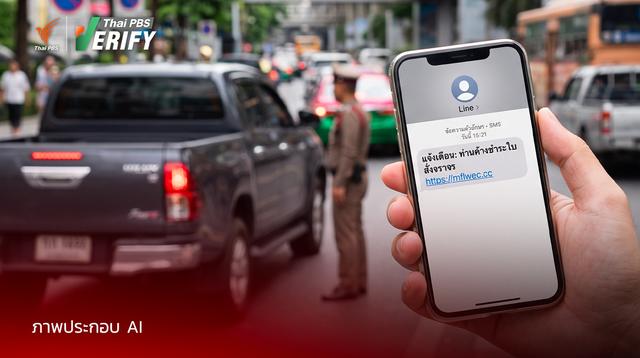
“Who’s on the Line?” Screening Calls is the Ultimate Shield Against Scam Syndicates
With call center syndicates relying on random dialing and official impersonation to siphon funds, utilizing call screening tools provides a crucial first line of defense to stop scammers before you become their next target.
As digital communication simplifies connectivity, scammers have rapidly modernized their operations into highly sophisticated traps. Rather than relying on easily spotted suspicious texts or amateurish cold calls, modern call centers generate incredibly convincing scenarios. They routinely impersonate government agencies, corporate personnel, or reputable entities to trick unsuspecting individuals into following instructions blindly.
A prominent example of this fake credibility tactic is a recent case where cyber police took down a network of five corporate mule account holders linked to a 1.8 million baht heist. The syndicate swindled the victim by pretending to be representatives from the state electricity authority.
The scammers contacted the victim over the phone, claiming there was an issue with their household electricity transformer and offering a deposit refund. They then lured the victim into adding them on the LINE messaging app, initiating a video call, and scanning a QR code. They ultimately extracted the victim’s One-Time Password (OTP) by disguisedly framing it as a queue number, which led to multiple unauthorized bank transfers.
Once stolen, the funds were funneled through corporate mule accounts and quickly laundered into gold bars and cash, severely obstructing police tracking efforts.
This incident highlights a critical shift in digital defense, where basic awareness is no longer enough and utilizing proactive call screening tools, such as verifying unfamiliar numbers before answering, has become essential to blocking scammers before they can strike.
Caller ID Applications: Blocking Scam Calls Before They Connect
Modern fraudsters utilize vast arrays of phone numbers to reach targets, pretending to represent commercial banks, shipping companies, law enforcement, or administrative bodies. Consistently checking an unfamiliar number before answering or dialing back dramatically reduces the risk of falling victim to these elaborate schemes.
However, caller ID applications are not a silver bullet. Scammers constantly purchase fresh numbers or use caller ID spoofing techniques to bypass identification. Consequently, these applications should be viewed as vital diagnostic aids to be used alongside cautious personal judgment. Prominent tools include:
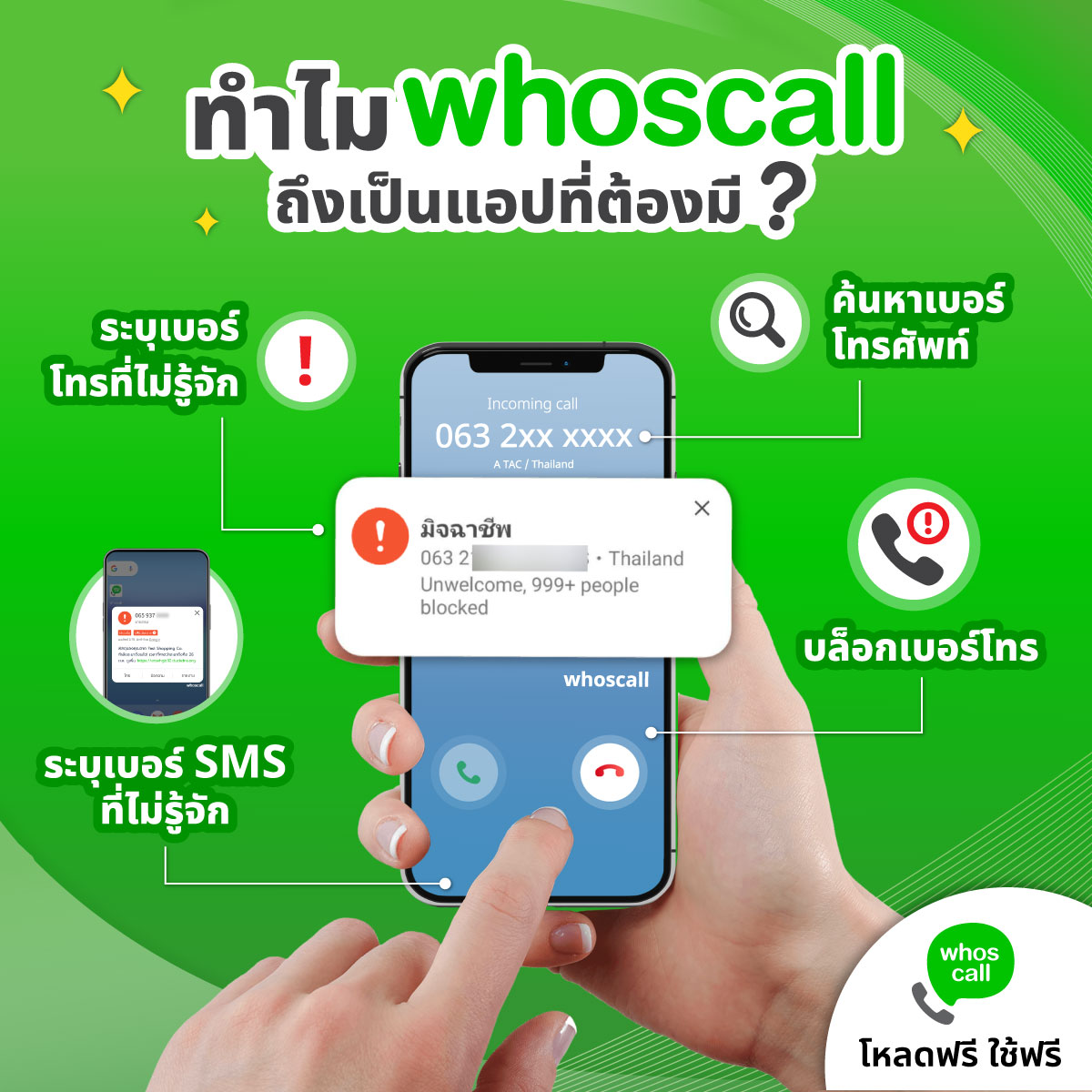
1. Whoscall
Whoscall operates as a leading call identification utility, warning users about potential spam or fraudulent numbers. The application relies on a massive global directory shaped by active community reporting . Key safety features include:
- Spam Alerts: Real-time warnings for incoming calls flagged as dangerous or suspicious.
- Pre-Dial Verification: The ability to audit unfamiliar numbers before attempting to call back .
- Report Auditing: Insights showing whether a specific number has been flagged by other users in the community.
Nevertheless, the absence of a warning flag does not guarantee safety. Since fraudsters routinely cycle through new numbers and manipulate caller IDs, users must remain vigilant even for unflagged calls.
2. DE-FENCE
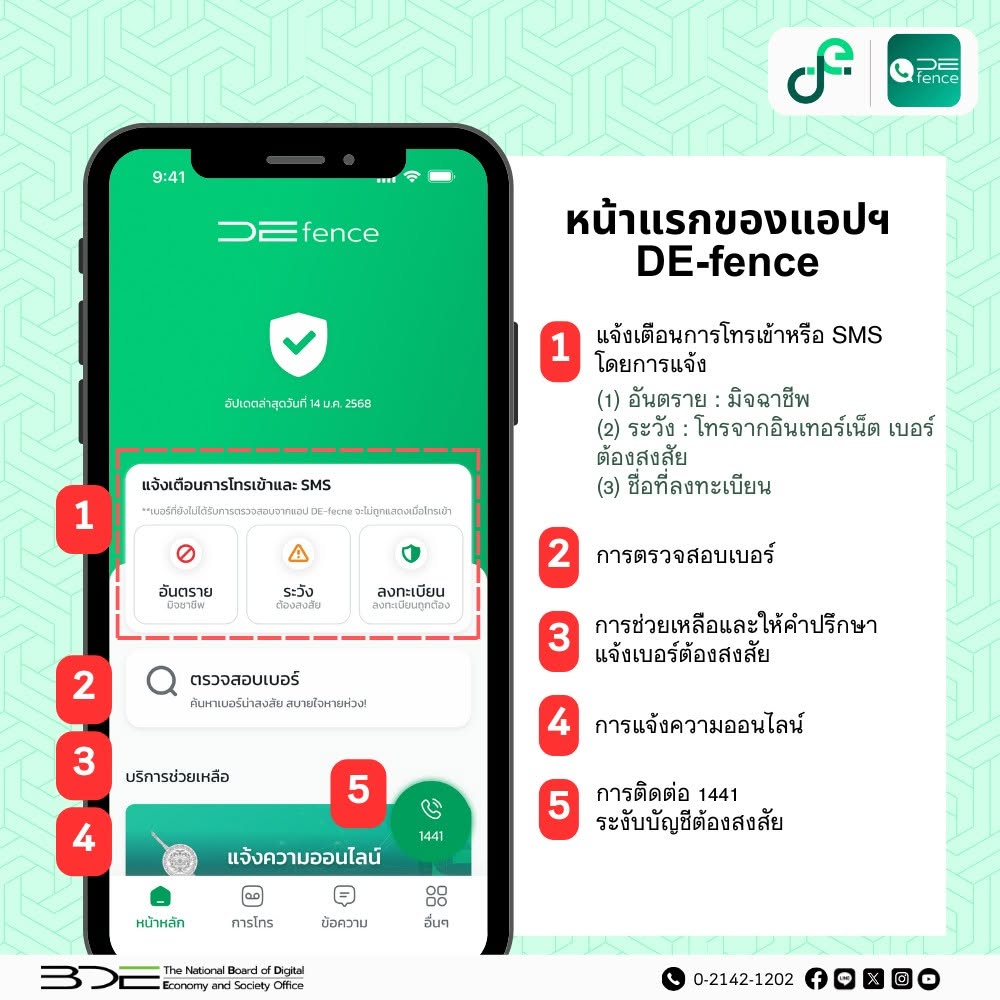
DE-FENCE is a specialized public sector platform developed by the Ministry of Digital Economy and Society in cooperation with key public and private partners. Operating as a real-time defense shield, it flags suspicious phone calls and SMS messages. Its primary capabilities will be as follows
- Suspicious Number Audits: Direct screening of questionable phone numbers.
- Risk Warnings: Live alerts for suspicious incoming communication.
- Educational Outreach: Direct channels keeping the public updated on emerging online threats.
Strategic Protocols for Self-Verification
While software solutions offer a robust layer of protection, personal skepticism and systematic verification remain the ultimate defense. Users should adopt these core practices to protect their assets:
- Research Numbers Prior to Dialing Back: Look up unfamiliar incoming numbers on search engines or caller ID databases to check for warnings from previous targets.
- Disregard Familiar Personal Details: Fraudsters frequently acquire names, birthdates, and basic profiles from historical data breaches or public web pages. Knowing your basic information does not validate their identity.
- Guard Sensitive Security Credentials: Legitimate institutions will never ask for bank passwords, credit card PINs, or OTPs, nor will they demand financial transfers to audit accounts.
- Terminate Suspicious Calls Immediately: If a caller claims to represent a bank, the police, or an electricity provider, hang up and dial their official, publicly published number through their verified website or application.
- Avoid Unsolicited Links and QR Codes: Never click hyperlinks or scan QR codes sent by strangers, as they are primary vectors for phishing sites, credential-harvesting apps, or unauthorized system access.