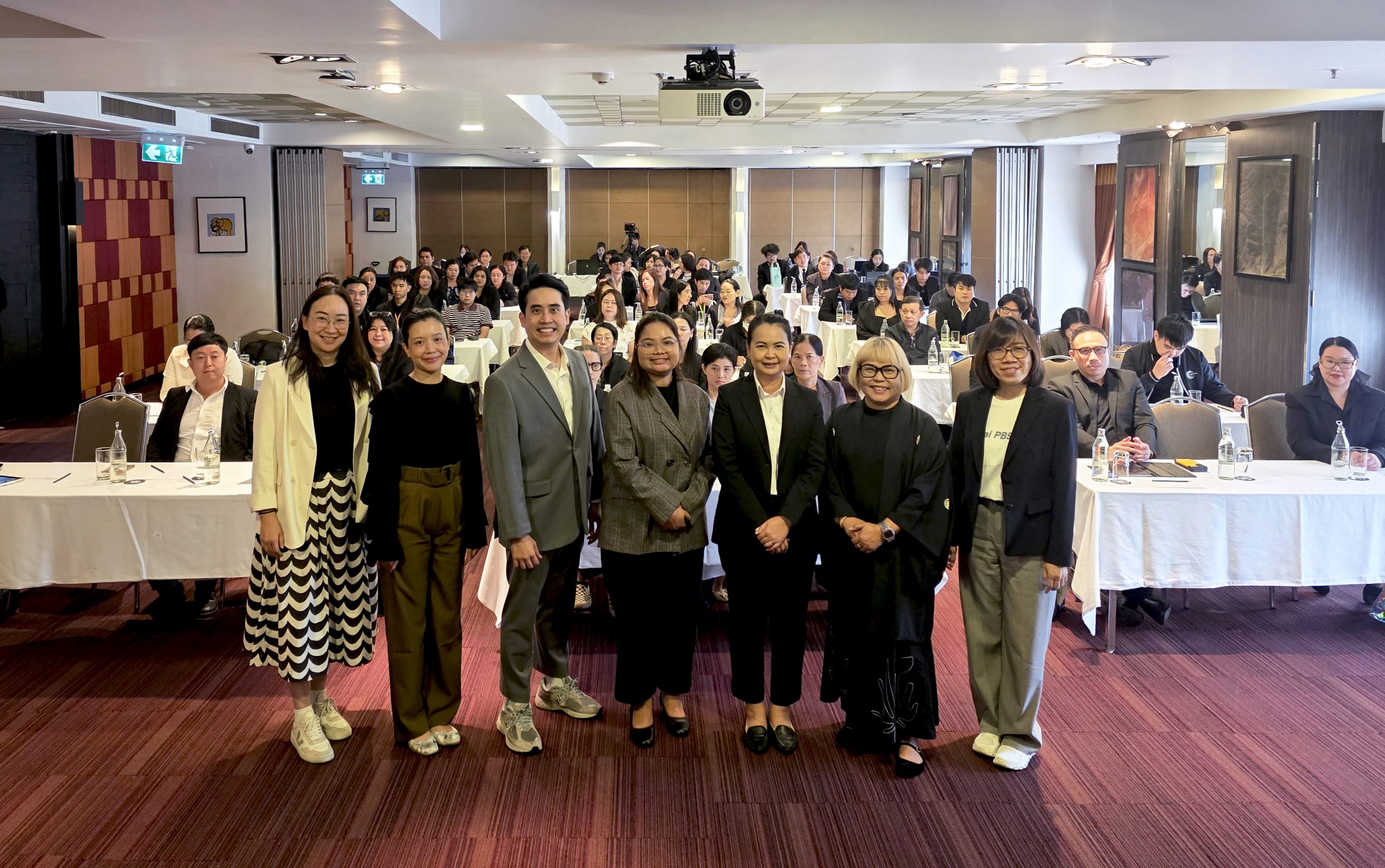
Thai PBS Joins OPDC – Thammasat University Forum to Elevate Thai Government Fact-Checking in the AI Era

Thai PBS reinforces its public media role in elevating fact-checking by joining the discussion forum at the event "Fact-Checking & Public Trust: When Truth Is Challenged, How Will the Government Build Trust?" to strengthen government credibility in the AI era where information spreads rapidly organized by the Office of the Public Sector Development Commission (OPDC) in collaboration with Thammasat University on July 22, 2026, at Meeting Room 6AB, Siam@Siam Design Hotel, Bangkok.
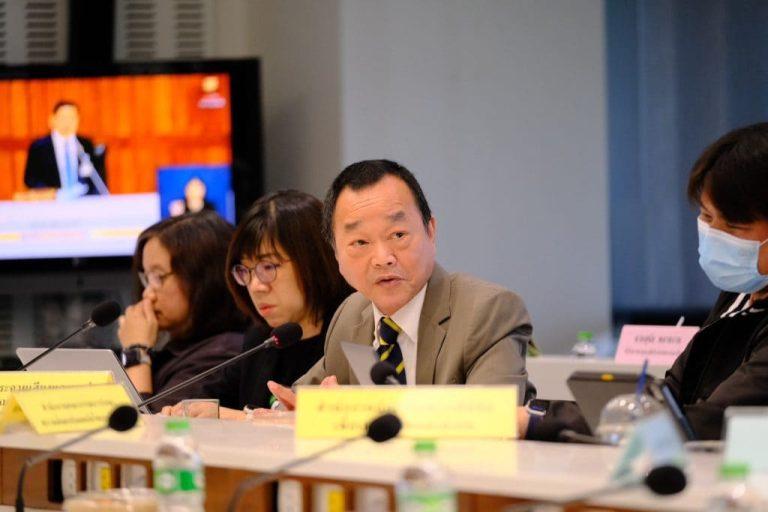
The Thai Public Broadcasting Service (TPBS) or Thai PBS, represented by Ms. Kanokporn Prasitphol, Director of the Digital Media Center at Thai PBS, joined the panel discussion on the topic “Fact-Checking and Building Public Trust: Threats, Risks, and Guidelines for Action in the AI Era,” alongside Asst. Prof. Dr. Ekapol Thierathaworn from the Faculty of Journalism and Mass Communication, Thammasat University, and Dr. Watcharatiya Watcharobol, Senior Computer Technical Officer from the Public Relations Department, to exchange perspectives on guidelines for coping with information risks, problems, and mechanisms for building trust for the government sector amidst the digital era where Artificial Intelligence (AI) technology can generate and disseminate information rapidly within seconds, while fake news, deepfakes, and disinformation are simultaneously becoming challenges for the government sector in communicating with the public.
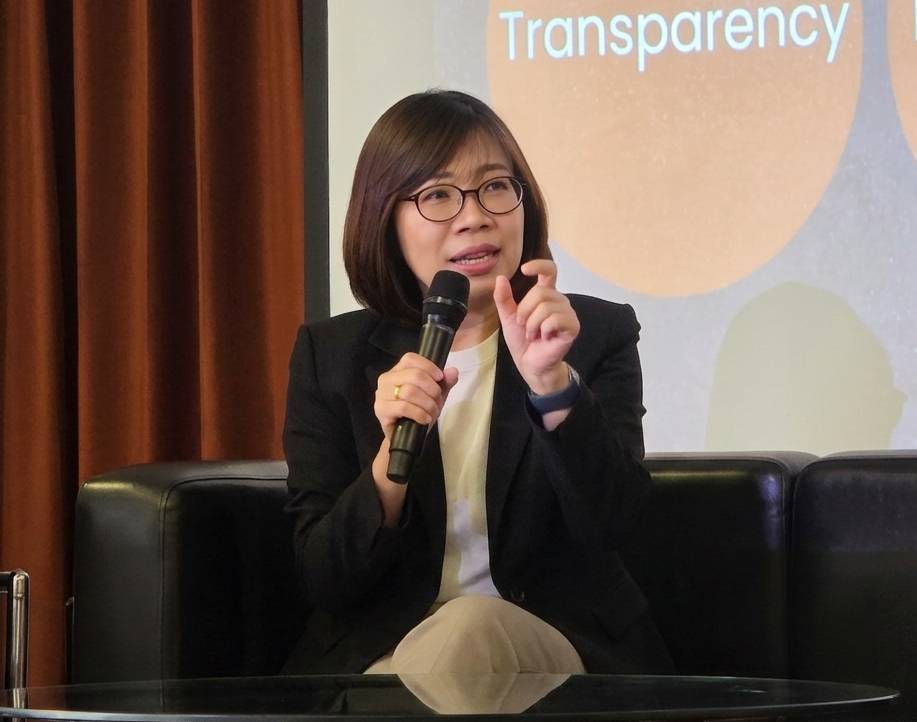
Ms. Kanokporn Prasitphon, Director of the Digital Media Center at Thai PBS, addressed building public trust in an era filled with fake news, stating that to build trust from the public, the government sector must possess 4 key components: Transparency, in which the public can accept mistakes if agencies do not conceal or hide information, but are ready to disclose facts straightforwardly. Explainability of work processes, especially fact-checking, where merely stating that information is “true” or “false” is no longer sufficient, but it must be explained what tools were used in the verification and what limitations each tool has, so that the public can more thoroughly understand the origin of the conclusions. Another important point is that the government sector should disclose necessary information to the public in the form of Open Data, allowing the public to easily access data and utilize it further, and it must serve as a public service that helps build confidence in the government sector.
Furthermore, it must act as a Trusted Source, enabling the public to reference accurate information when key situations occur.

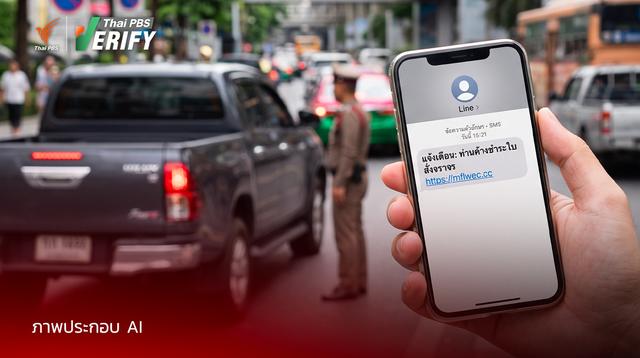
Meanwhile, Asst. Prof. Dr. Ekapol Tearathaworn from the Faculty of Journalism and Mass Communication, Thammasat University, stated regarding coping with fake news in the AI era that if there must be a starting point in addressing fake news, what agencies can do immediately is to establish an internal coping system. This involves having each agency evaluate its own risks regarding how it would handle distorted news related to the agency’s missions if it were to occur in the next 2-3 days. For instance, if it is a public health agency, it may need to prepare a response plan for rumors about epidemics; or if it is a transportation agency, it may need to prepare response guidelines in the case of fake news about forged driver’s licenses or the agency’s services.
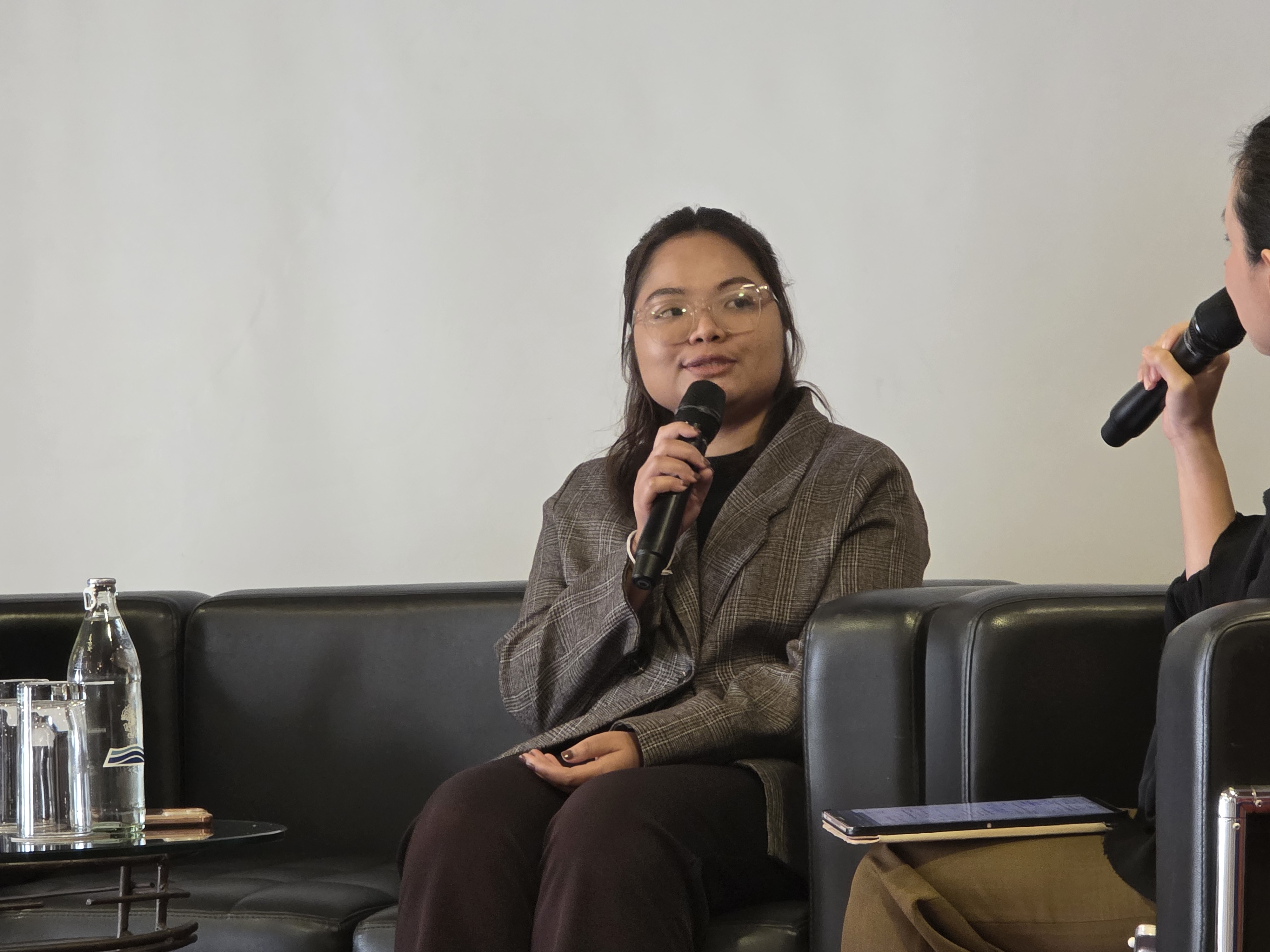
On the other hand, Dr. Watcharatiya Watcharobol, Senior Computer Technical Officer at the Digital Technology Division, Public Relations Department, stated regarding legal development and assigning responsibilities in managing fake news on digital platforms that currently, Thailand still lacks laws specifically used to handle fake news. Meanwhile, several countries, such as Singapore, have already had laws supporting this matter for many years. She therefore deems that there should be laws clearly defining the duties and responsibilities of digital platforms, as well as granting authority to act swiftly against information that falls under the category of fake news. Because if management is delayed, even while information is still undergoing verification, it could be widely disseminated and cause damage to the public. Therefore, law enforcement and technologies for coping with fake news urgently need to be developed to keep pace with changing situations.
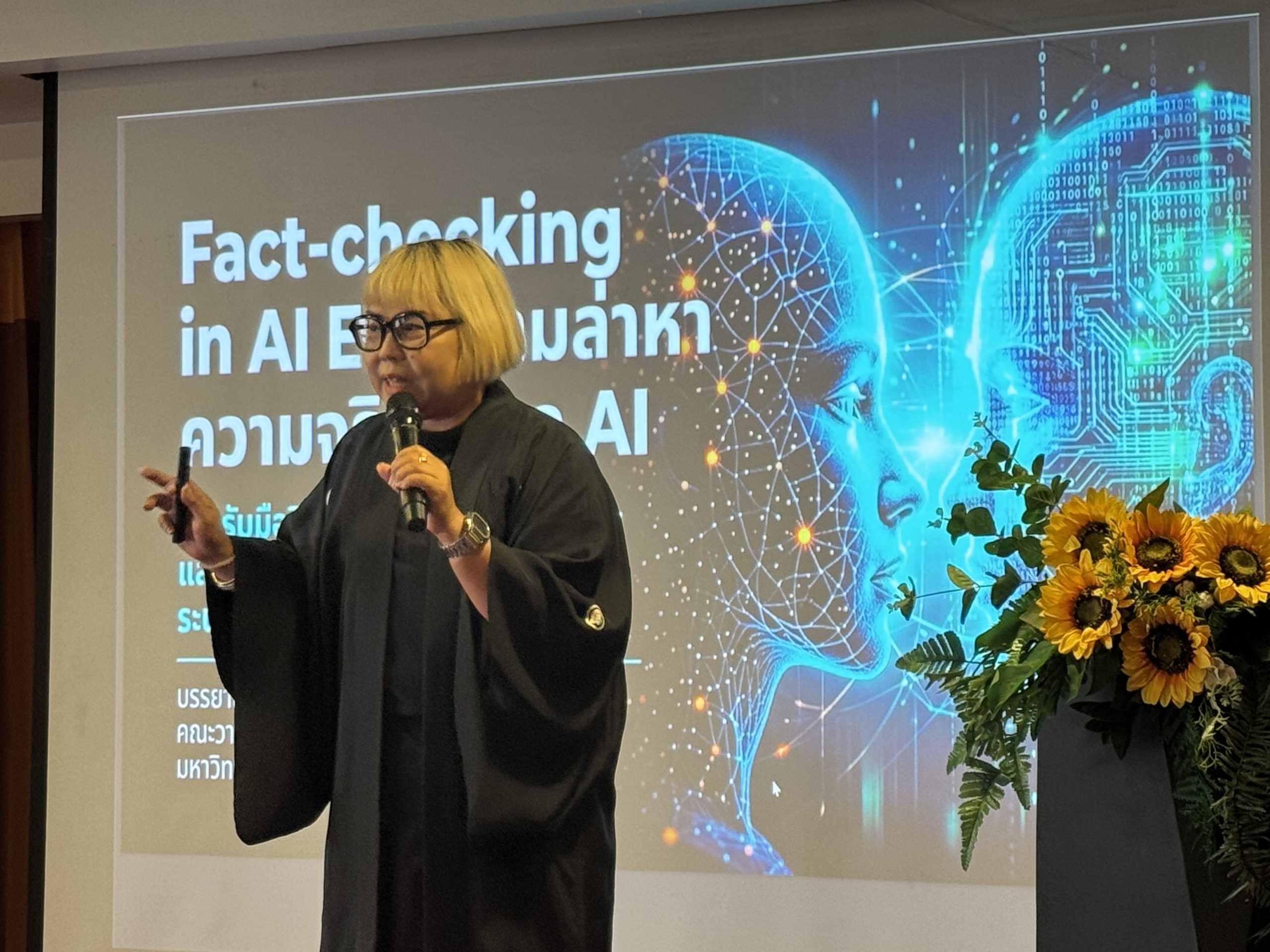

In addition, the event featured an educational lecture by Assoc. Prof. Dr. Wilaiwan Jongwilaikasaem, a fact-checking expert and lecturer at the Faculty of Journalism and Mass Communication, Thammasat University, on the topic “Fact-checking in AI Era: Hunting for Truth in the AI Era.” The event also provided a space for participants to express their opinions on fact-checking and building government trust, to jointly drive government communication that is transparent, credible, and responsive to changes in the digital world. The exchanges in this discussion forum are considered an important step in elevating government communication standards to be more transparent and reliable. This aligns with the work of Thai PBS Verify in aiming to verify facts and promote media literacy, helping people of all ages develop skills in filtering information so as not to fall victim to fake news, online scams, and increasingly complex cybercrimes in the AI era.

Everyone can join in being a part of creating a safe society from cyber threats. If you encounter suspicious news or information and wish to have the Thai PBS Verify team fact-check it, you can submit leads or send information via Facebook and LINE @ThaiPBSVerify, or inquire through the AI Chatbot service at www.thaipbs.or.th/Verify