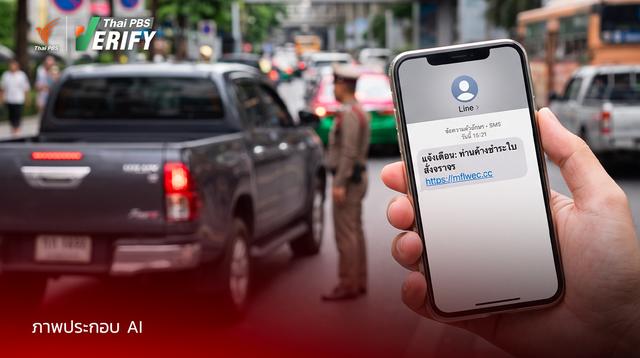
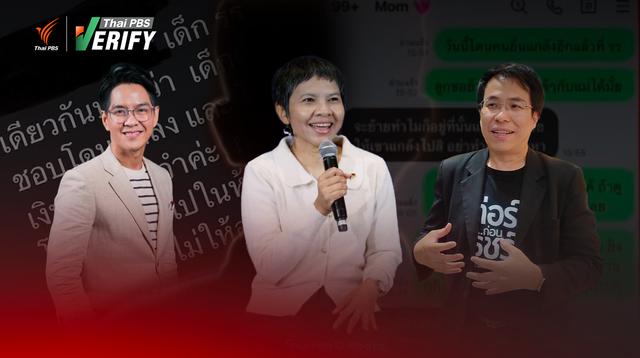
Thai PBS Verify shares AI-era fact-checking at Future of News Seoul conference
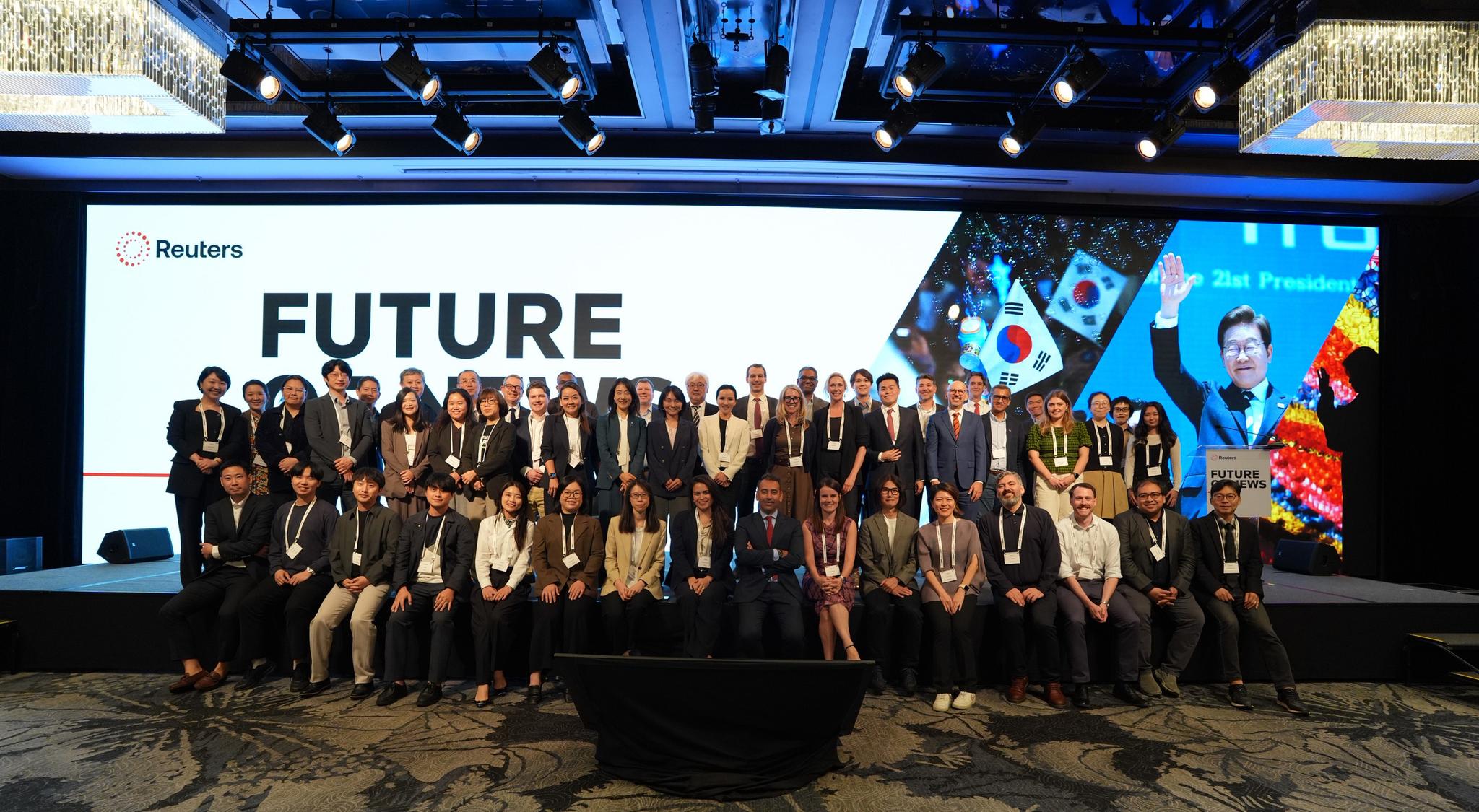
Thai PBS joined international media organisations at the Future of News Seoul conference on Oct 13, sharing its approach to AI-era fact-checking and discussing how newsrooms can combat misinformation while providing the public with accurate, transparent and trustworthy information.
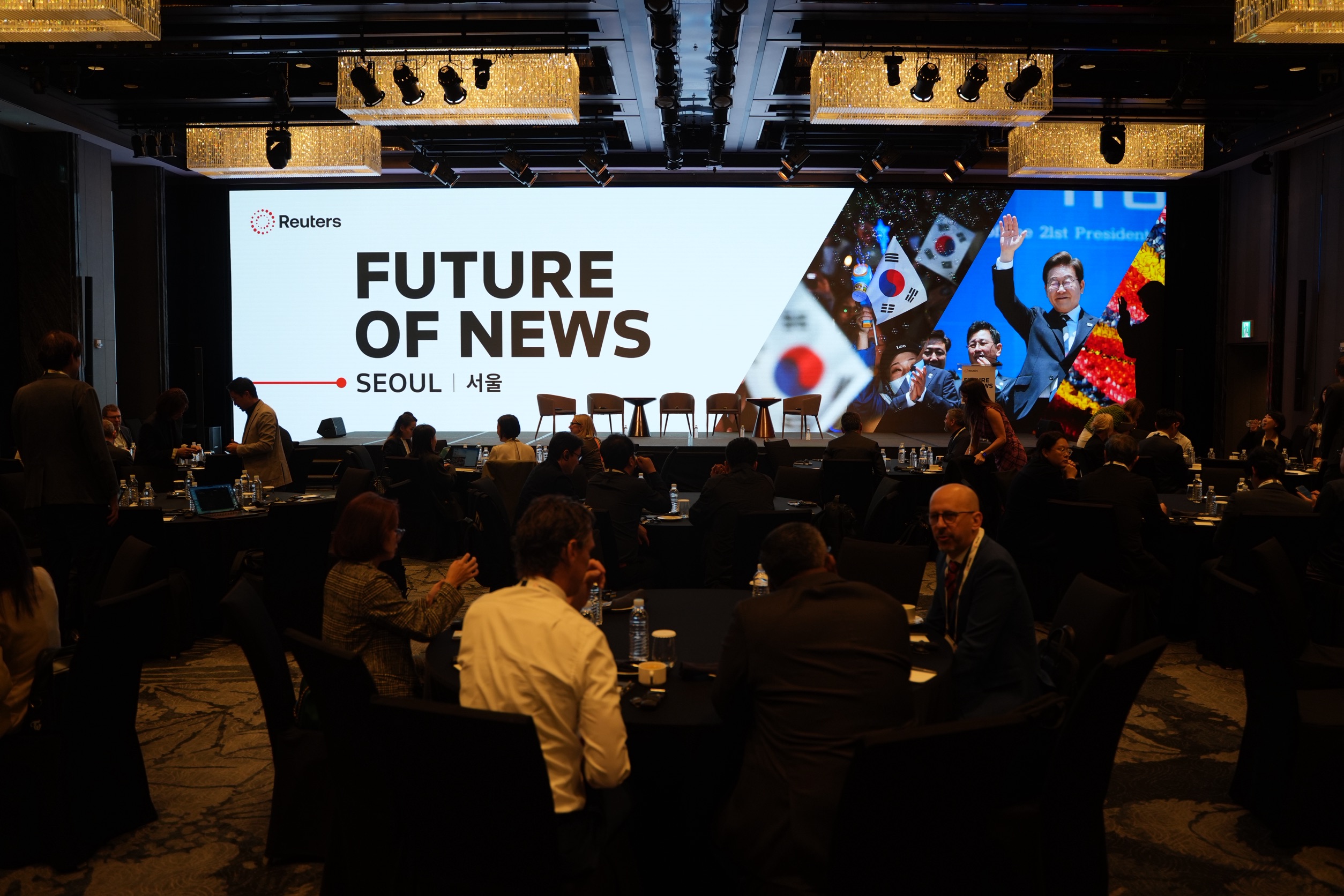
The Thai Public Broadcasting Service, or Thai PBS, exchanged views with representatives from ABC Australia and Reuters at the event in Seoul, South Korea. It also highlighted the work of Thai PBS Verify, its fact-checking service.
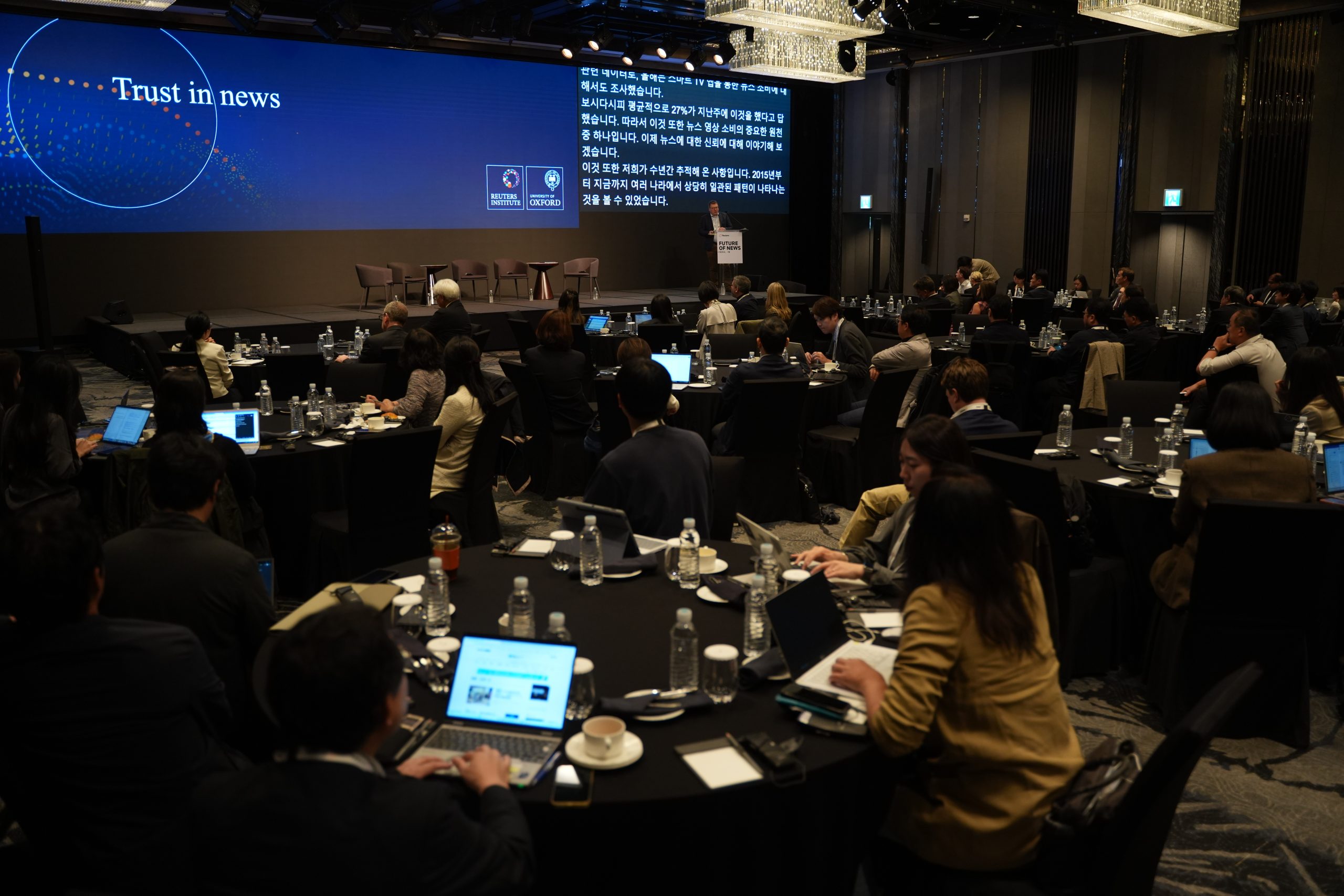
The Reuters-organised conference brought together media executives, editors and experts from across Asia to discuss trends and challenges reshaping the global news industry. Topics included changing audience behaviour, building trust, the adoption of artificial intelligence and the influence of digital platforms on public access to news.
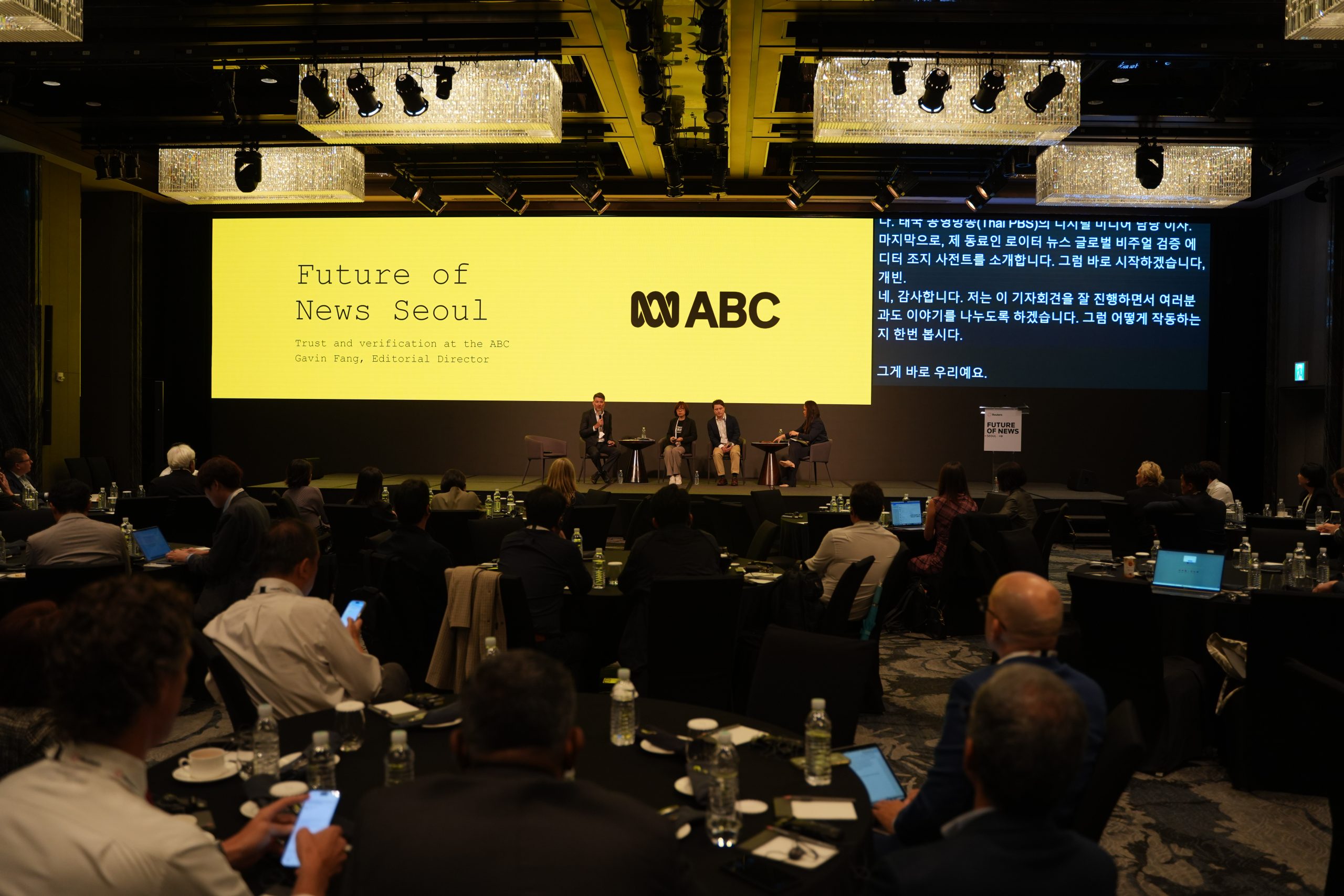
Thai PBS Verify discusses AI-era fact-checking with global media
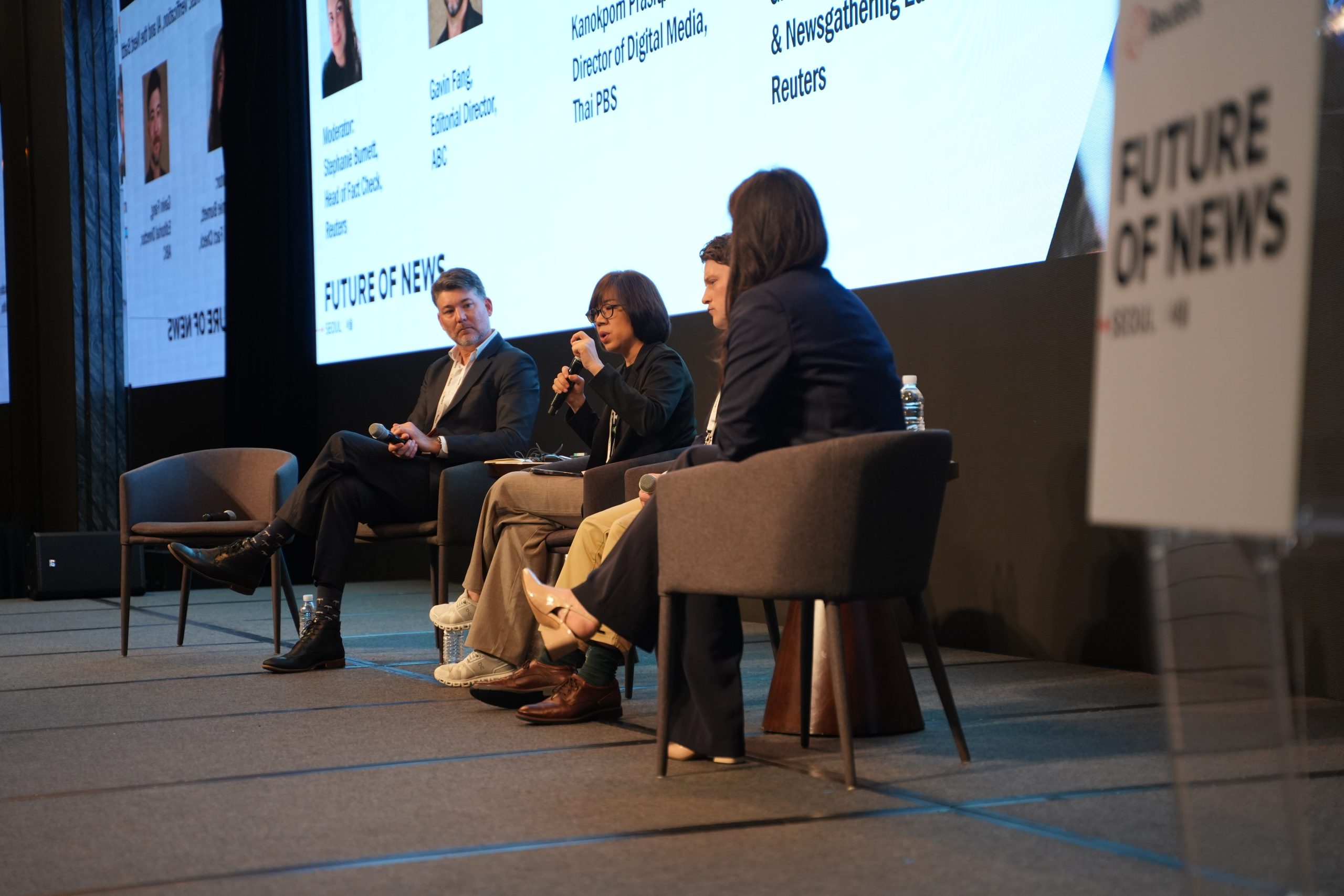
Kanokporn Prasitphon, Thai PBS Director of Digital Media, joined a panel titled “The Future of Trust: Verification, AI and the Next Battle for Audience Confidence”.
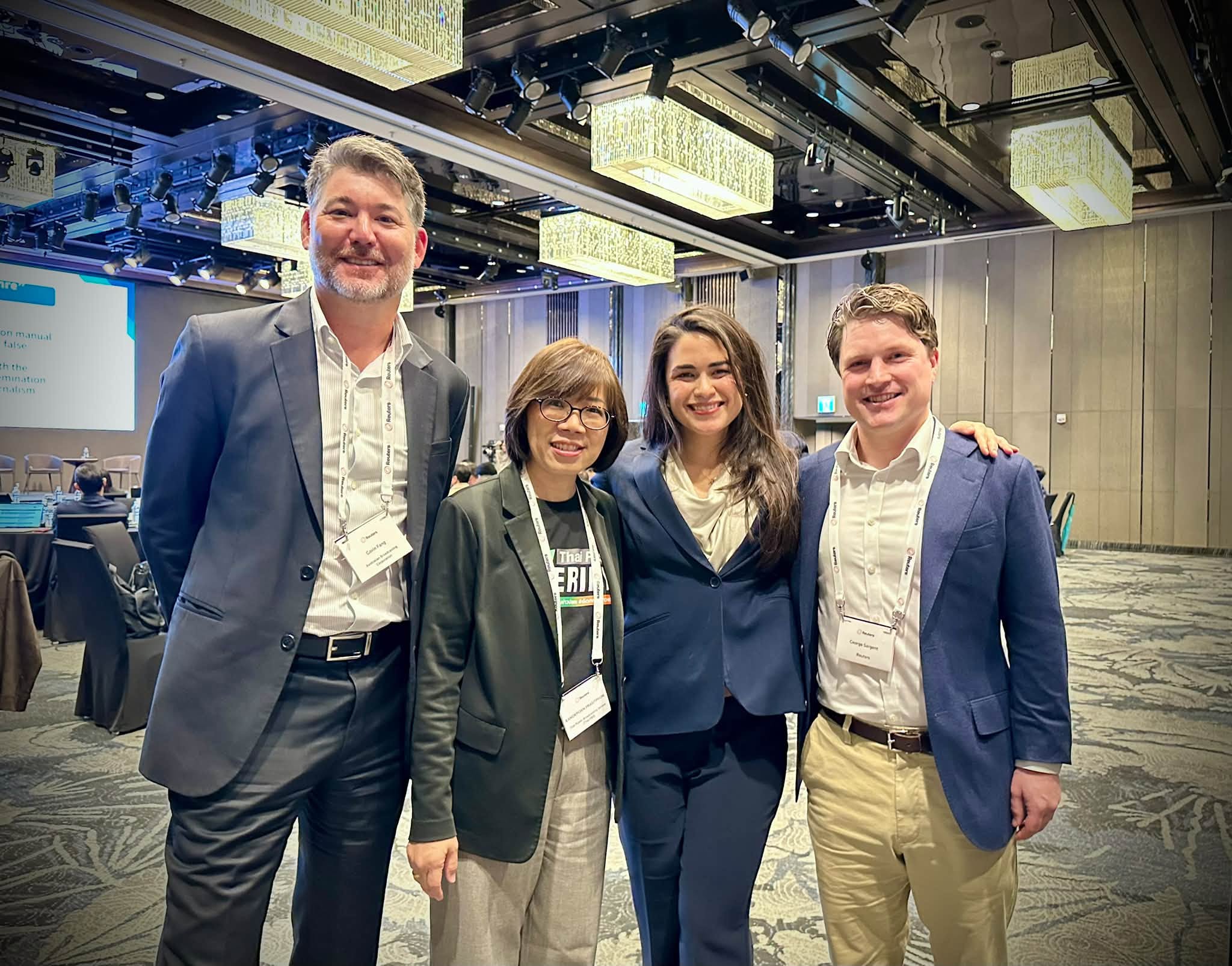
The discussion was moderated by Stephanie Burnett, head of Reuters Fact Check. Other panellists included Gavin Fang, editorial director at ABC Australia, and George Sargent, Reuters’ visual verification and newsgathering editor.
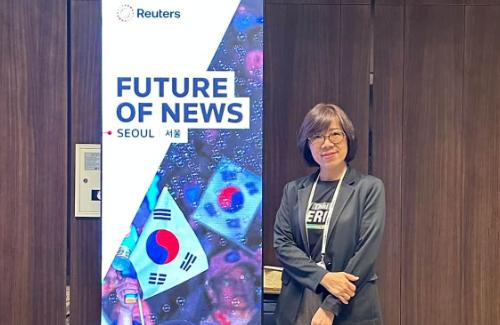
Representatives from the three media organisations shared their experiences in fact-checking, using AI in newsrooms and adapting to misinformation. The discussion came as increasingly realistic AI-generated images, audio and video make it more difficult for audiences to distinguish authentic material from fabricated content.
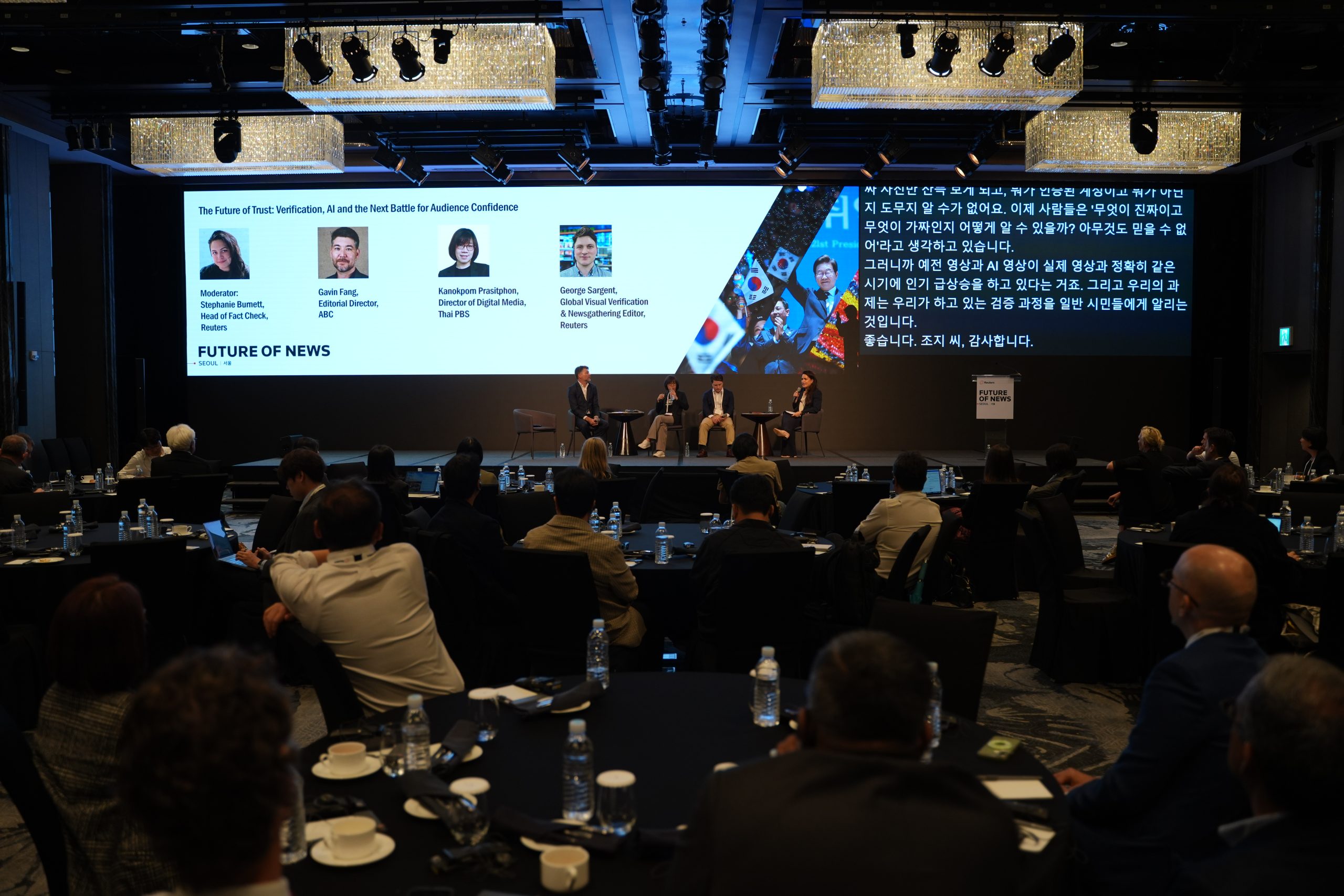
Ms Kanokporn outlined the work of Thai PBS Verify, which examines news and information attracting public attention to help people distinguish facts from misinformation.
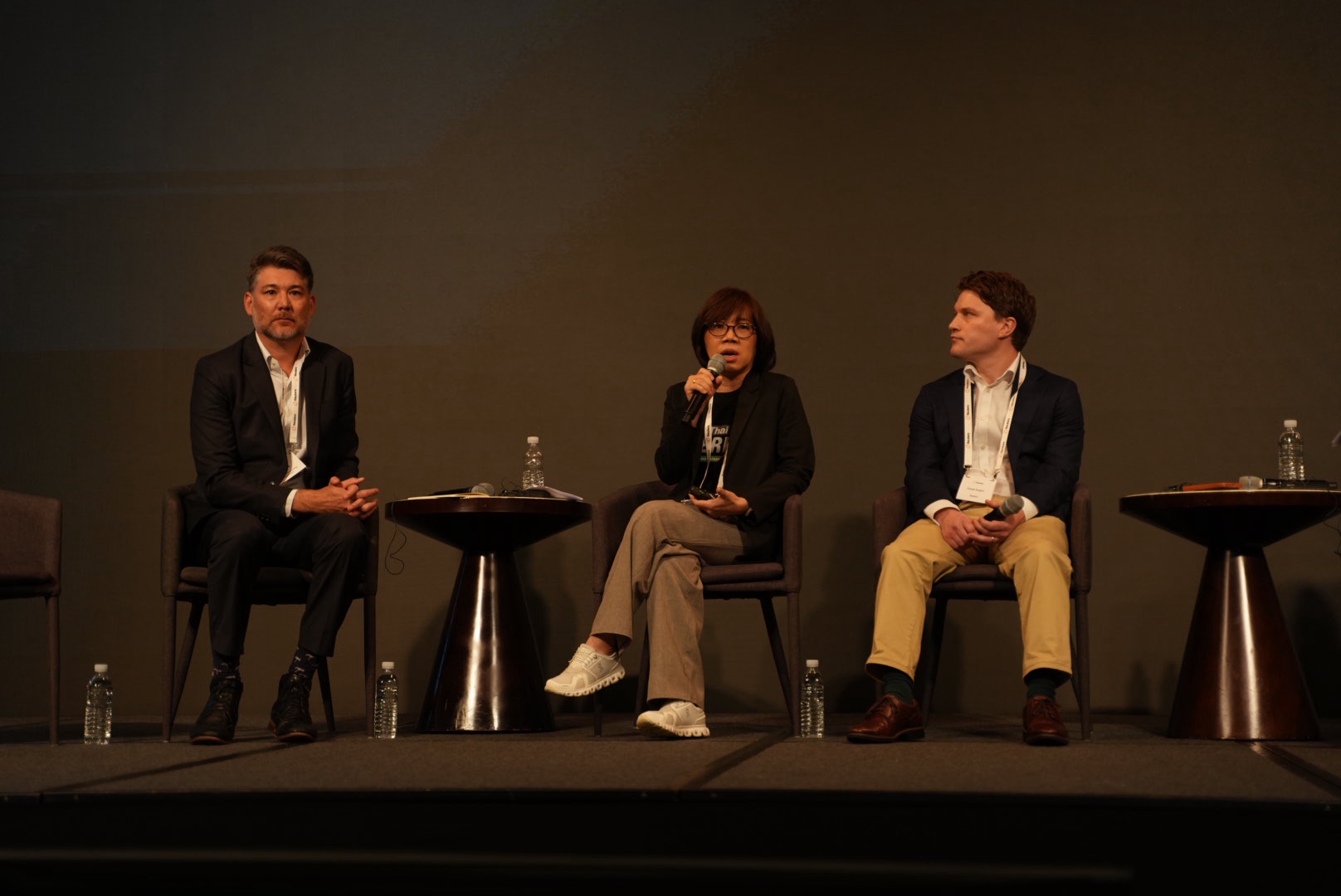
She said one of the most pressing challenges in the AI era was the speed at which false information could spread. Although verification requires time and comprehensive evidence, misinformation can reach large audiences before fact-checkers complete their work.
The problem is particularly serious during crises such as natural disasters, when false reports frequently circulate alongside genuine information.
These challenges mean the role of a fact-checker is no longer limited to determining whether information is true or false. Verification findings must also be communicated quickly enough to keep pace with events.
Fact-checkers require a broad range of skills, including investigation, technology, communication and an understanding of audience behaviour. They must also clearly disclose their methods, tools and sources so the public can understand how conclusions were reached and independently examine the evidence.
This transparency is a central part of Thai PBS Verify’s efforts to build public trust.
The approach was echoed by Mr Fang, who said news organisations should not merely report whether information was accurate. They should also explain how journalists verified it before publication, enabling the public to see the difference between content checked to professional standards and claims published without supporting evidence.
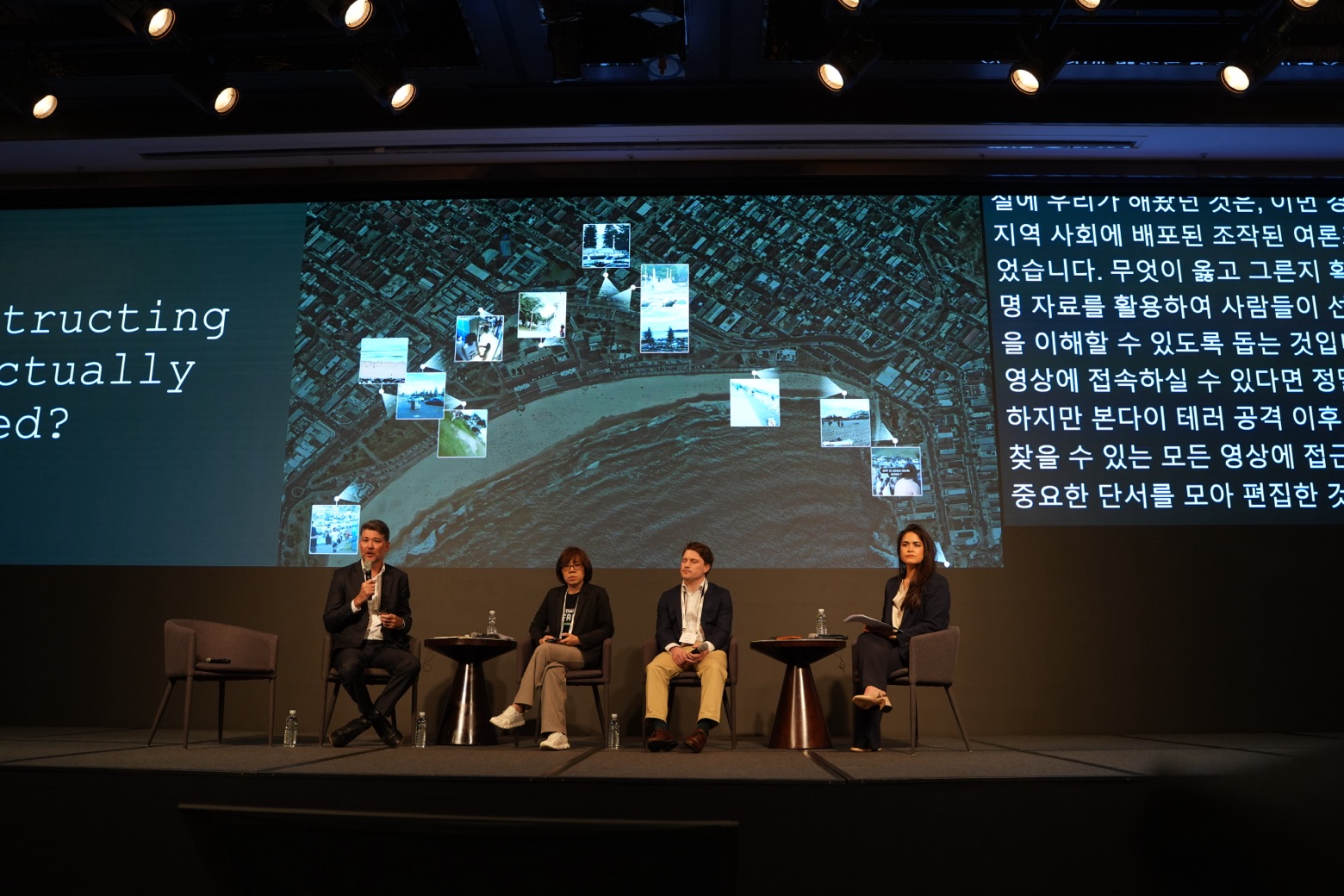
AI boosts newsroom efficiency but needs responsible oversight
Panellists agreed that AI could improve newsroom efficiency in several areas, including transcription, translation, summarisation, large-scale data analysis and the verification of images and locations.
However, the same technology can create highly realistic fabricated content that spreads rapidly. Appropriate human scrutiny and oversight therefore remain essential.
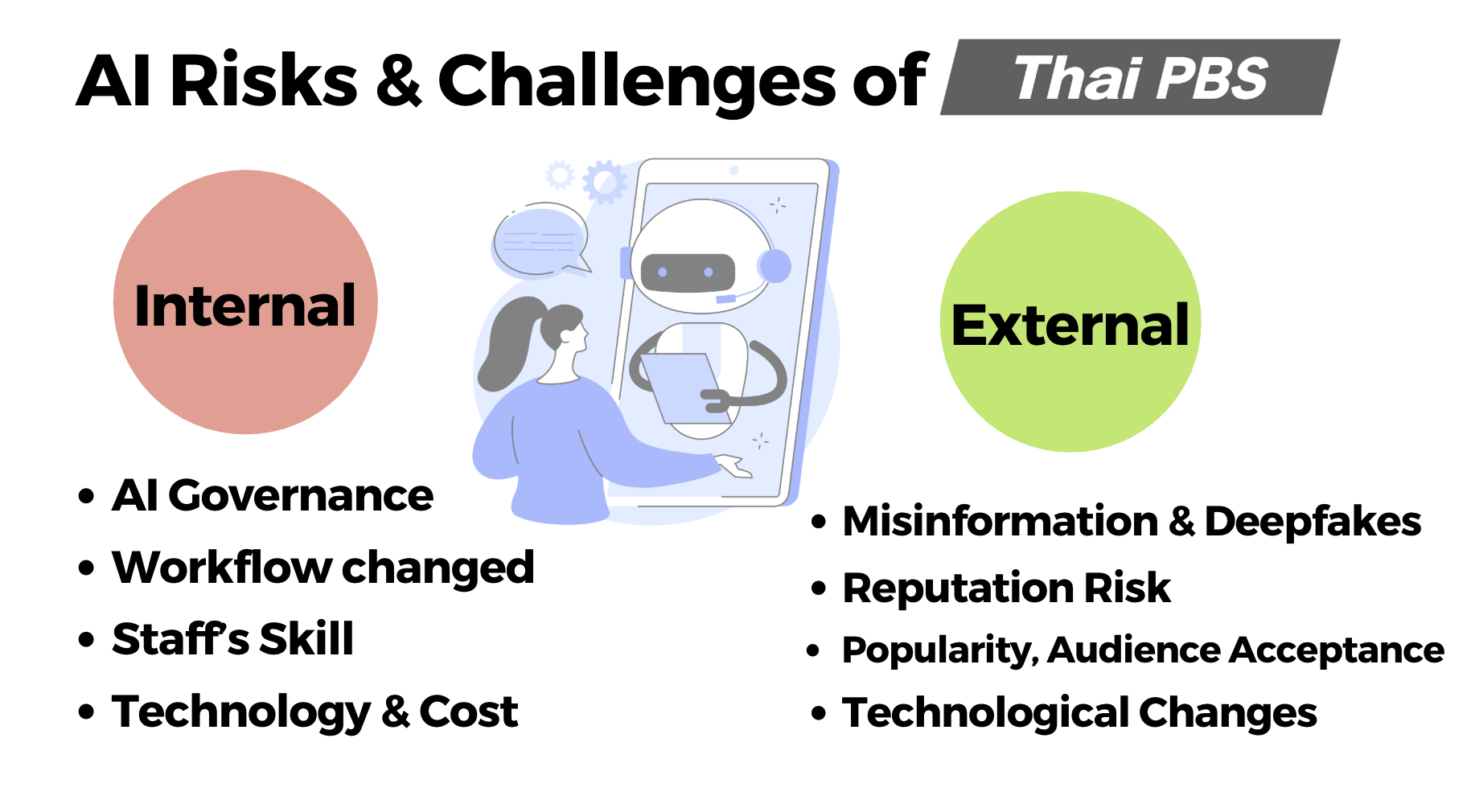
Ms Kanokporn also discussed Thai PBS’s approach to managing AI-related risks, covering policy development, staff training and the adaptation of newsroom processes to new technology.
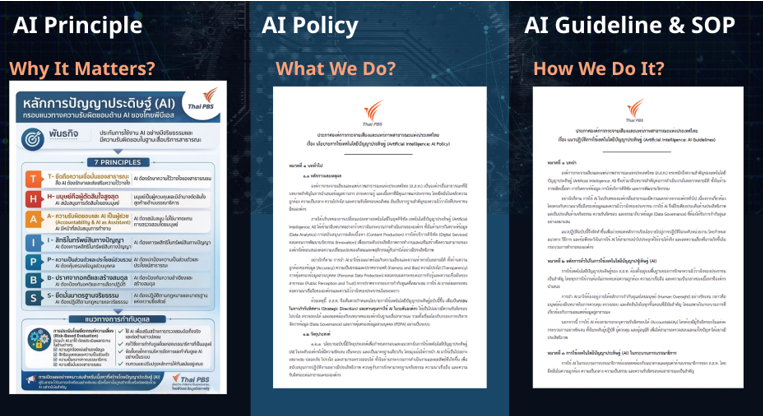
Over the past year, Thai PBS has established an AI governance framework comprising its AI Principle, AI Policy and AI Guideline. These set out the organisation’s principles, policies and practices for using artificial intelligence.
Thai PBS has also formed an AI Standards & Governance Committee, comprising executives and representatives from different departments. The committee oversees standards and promotes the appropriate use of AI throughout the organisation.
Participation in Future of News Seoul gave Thai PBS an important opportunity to share its experience operating Thai PBS Verify and developing AI innovations with international media organisations.
The conference also enabled the broadcaster to expand its knowledge of fact-checking, responsible technology use and communication strategies aimed at strengthening audience confidence as the news industry undergoes rapid change.
Thai PBS said it would continue developing its fact-checking services, digital innovations and AI governance practices, with its public-service mission at the heart of its work. Its goal is to give people access to quality information while helping them recognise and understand misinformation.
We encoureage you to check suspicious claims and verify news through Thai PBS Verify.