Opening day of the ‘Thai PBS Verify: Train the Trainer 2026’ camp: intensively arming teachers to cope with fake news in the AI era
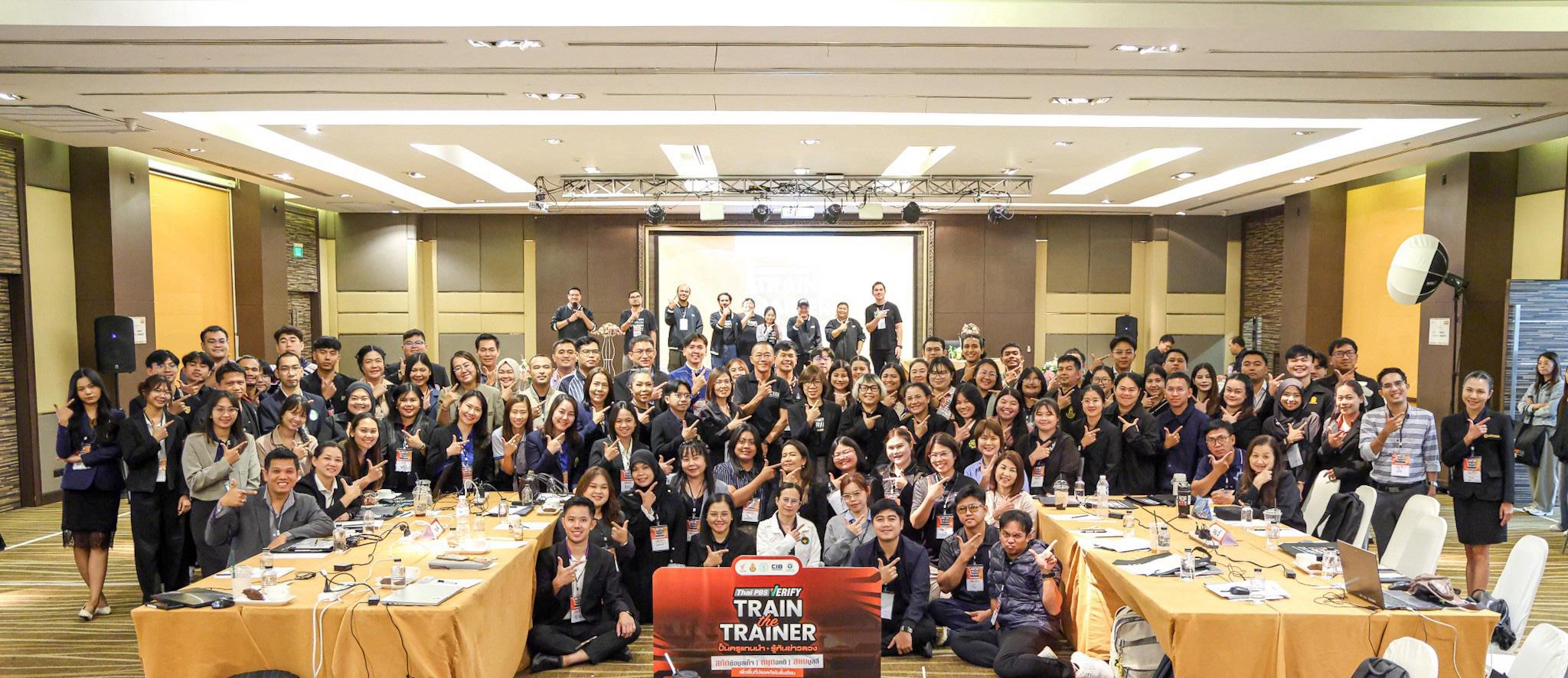
Ninety-two secondary school teachers from 62 schools across 32 provinces gathered for the opening day of the intensive "Thai PBS Verify: Train the Trainer 2026" programme, aimed at equipping educators with the skills to combat AI-generated misinformation, fact-check online content and help build classrooms resilient to fake news, bias and cyberbullying.
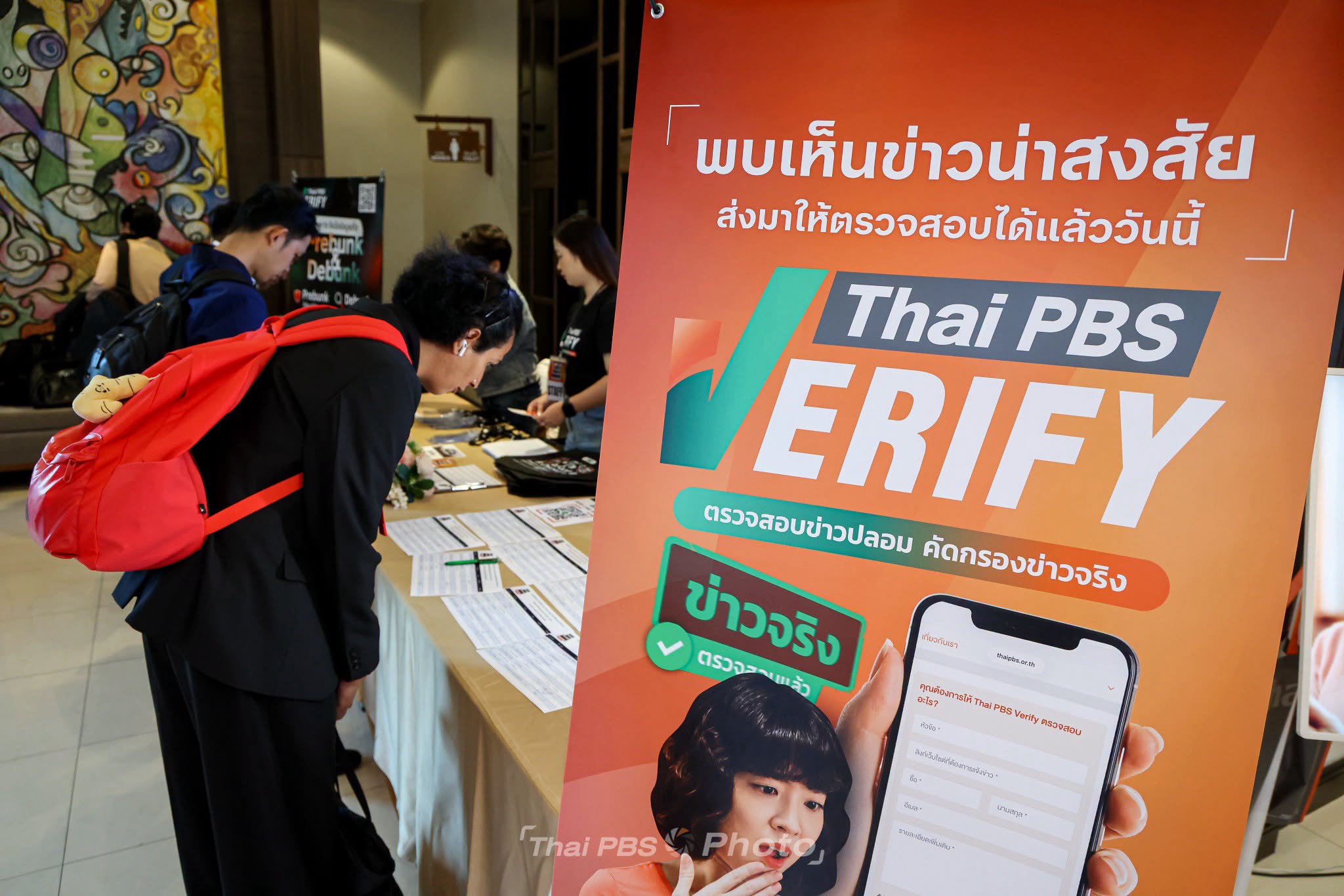
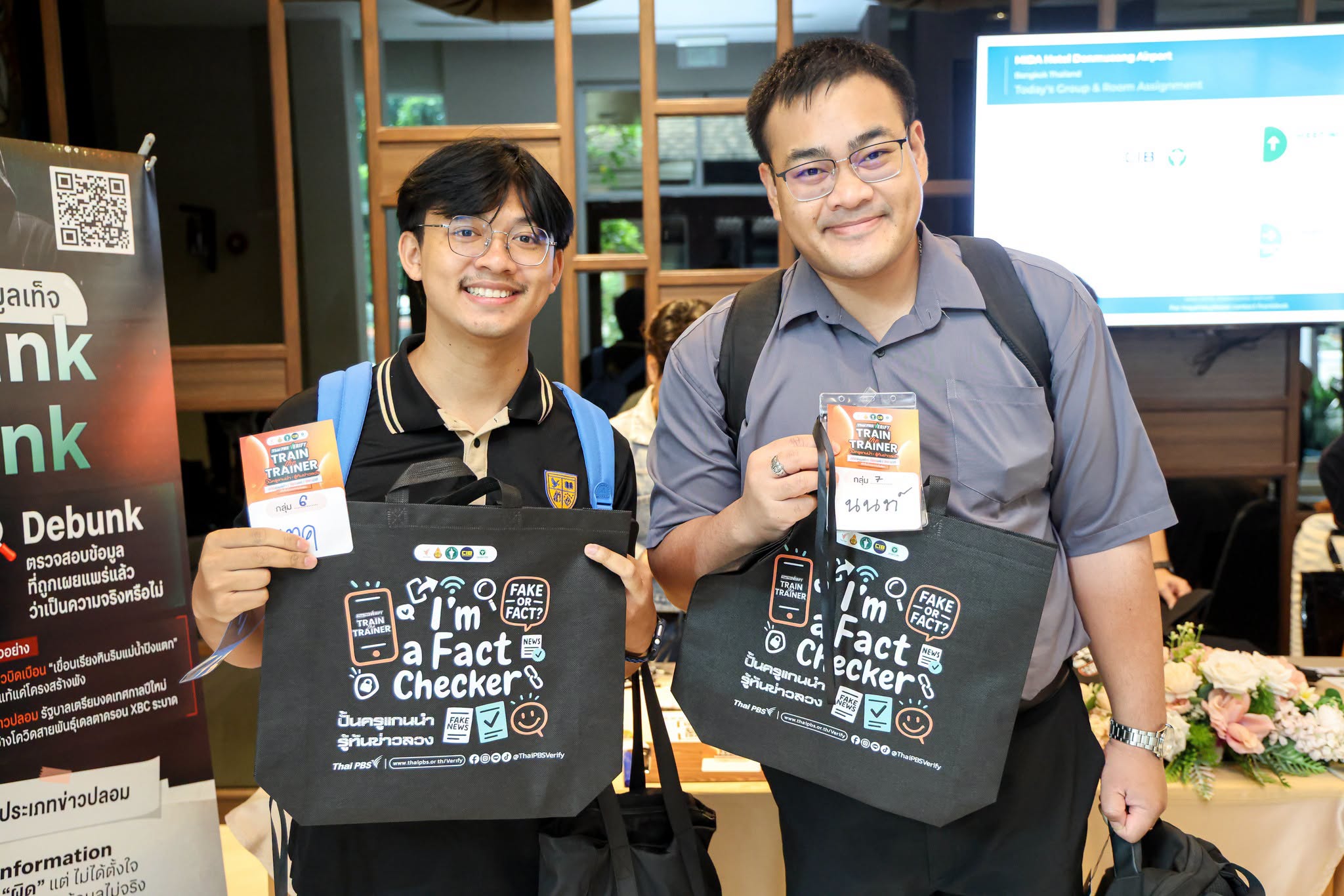
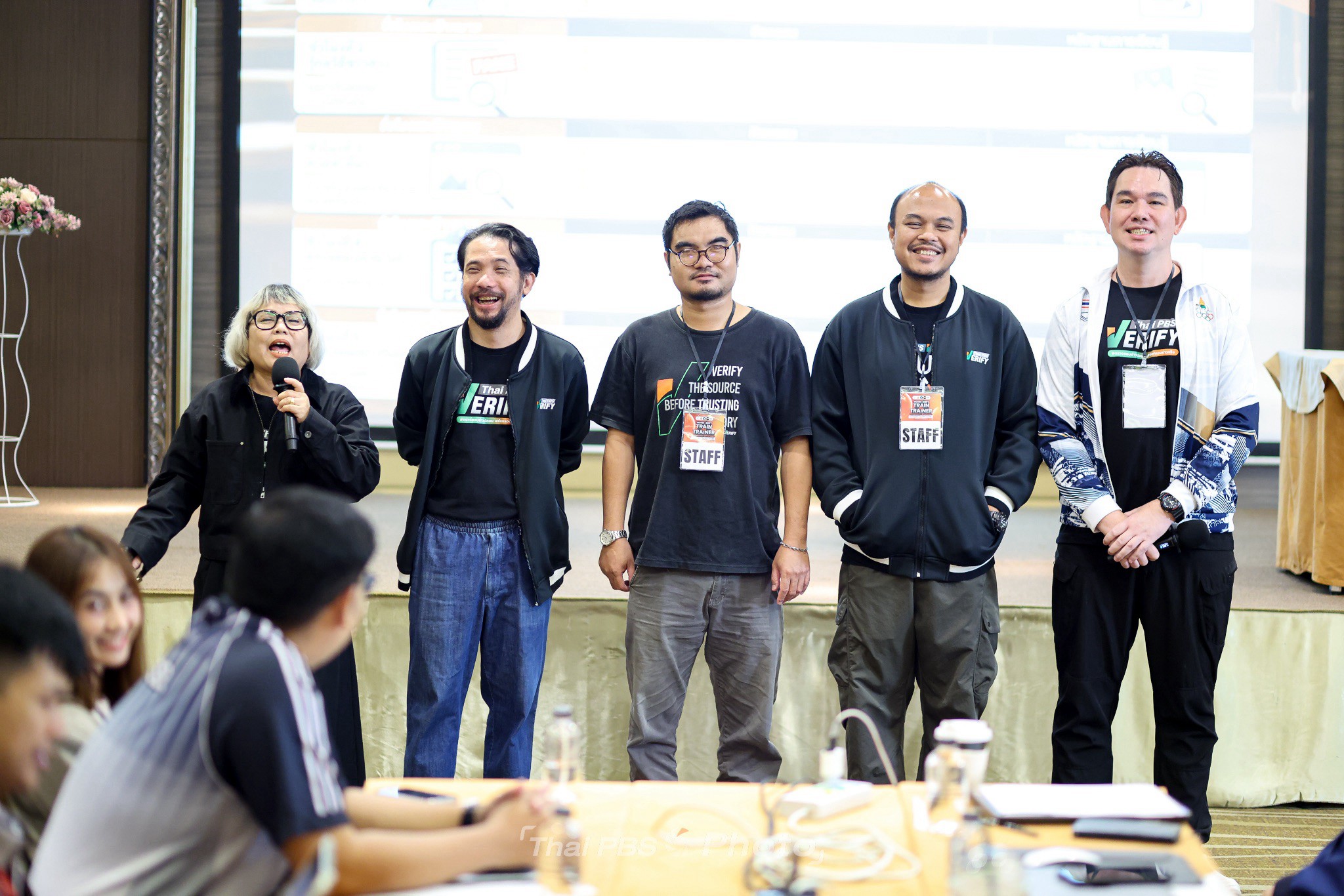
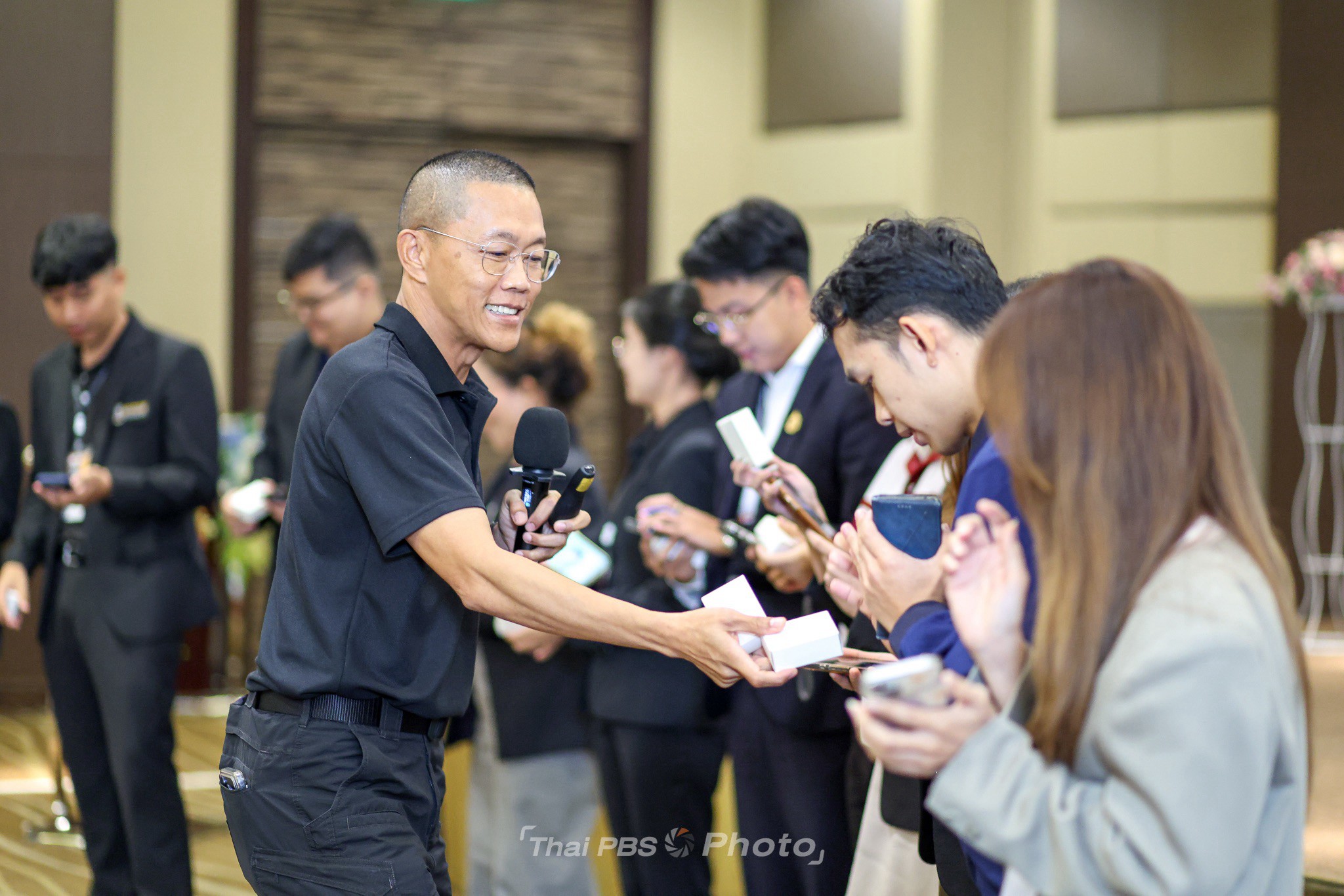
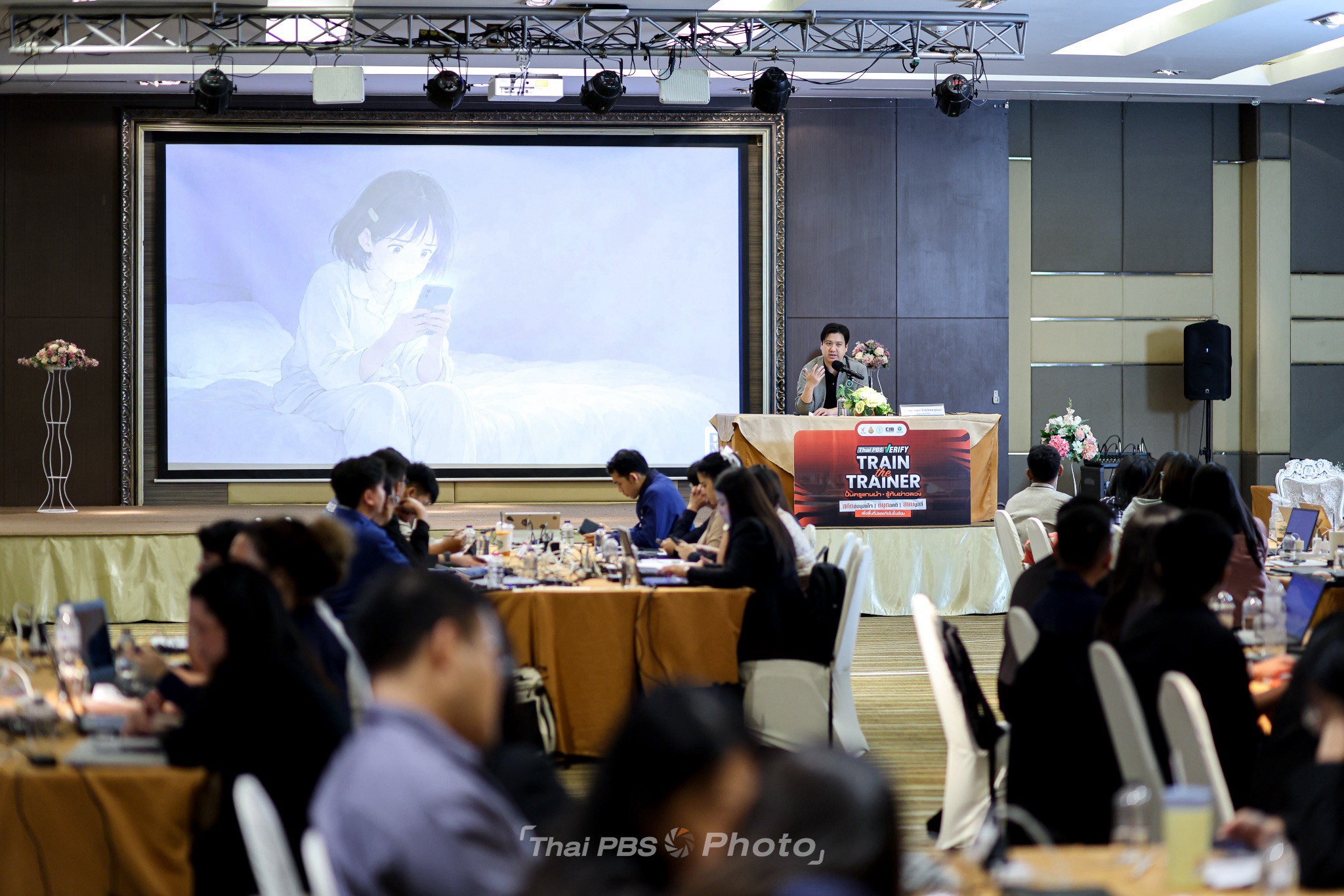
On Oct 29, Thai PBS welcomed 92 secondary school teachers from around Thailand to the first day of the two-day workshop, Thai PBS Verify: Train the Trainer 2026, under the theme “Stop misinformation, challenge bias and tackle bullying for safer classrooms”. Organised by Thai PBS Verify in collaboration with the Office of the Basic Education Commission (Obec), the Bangkok Metropolitan Administration (BMA), the Central Investigation Bureau (CIB) and the Department of Mental Health, the programme is being held on Oct 29-30 at Mida Don Mueang Airport Hotel in Bangkok.
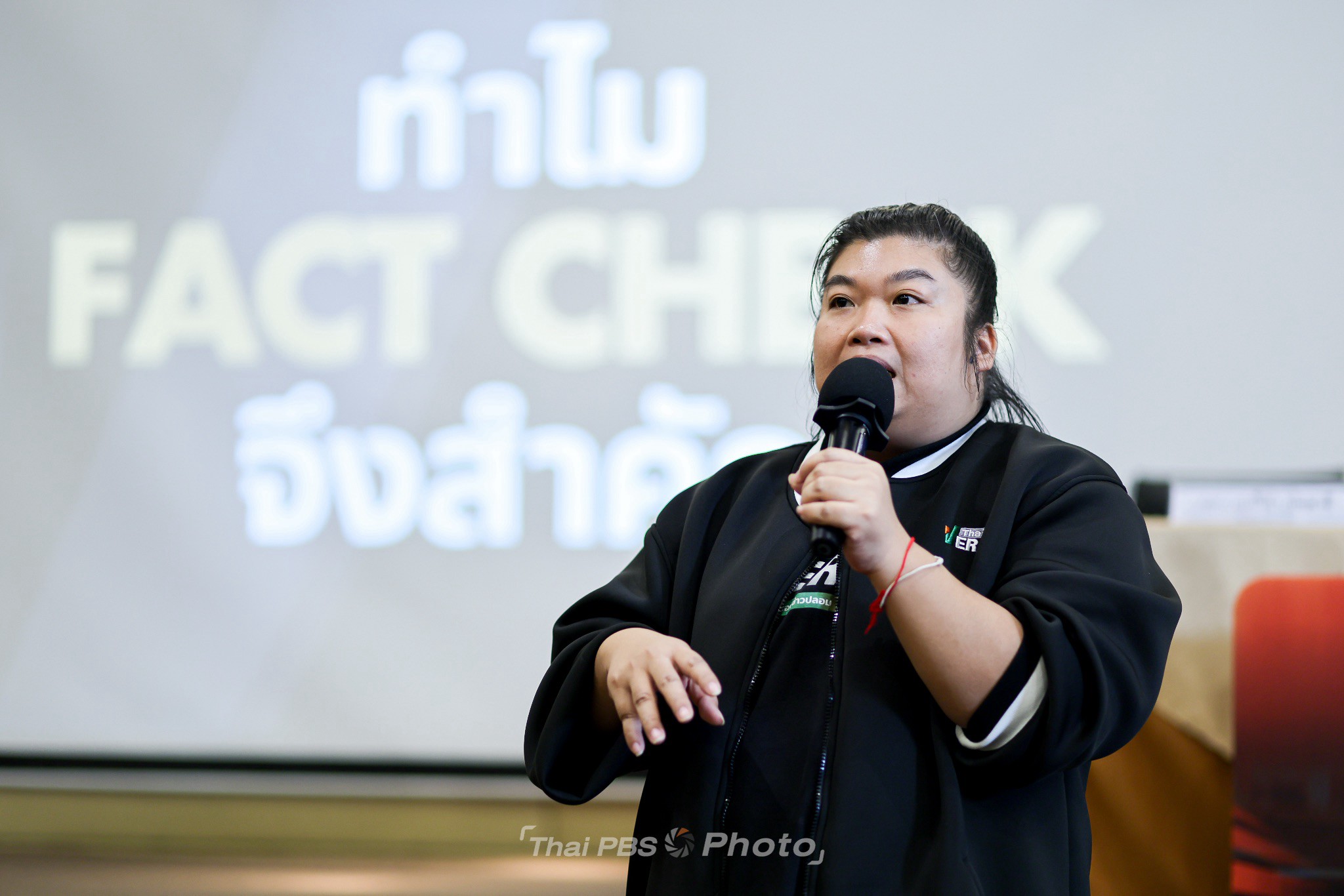
Opening the event, Kanokporn Prasitphon, Thai PBS’s Digital Media Director, said the programme builds on the success of two previous Thai PBS Verify Youth Camps, which focused on strengthening young people’s media literacy skills.
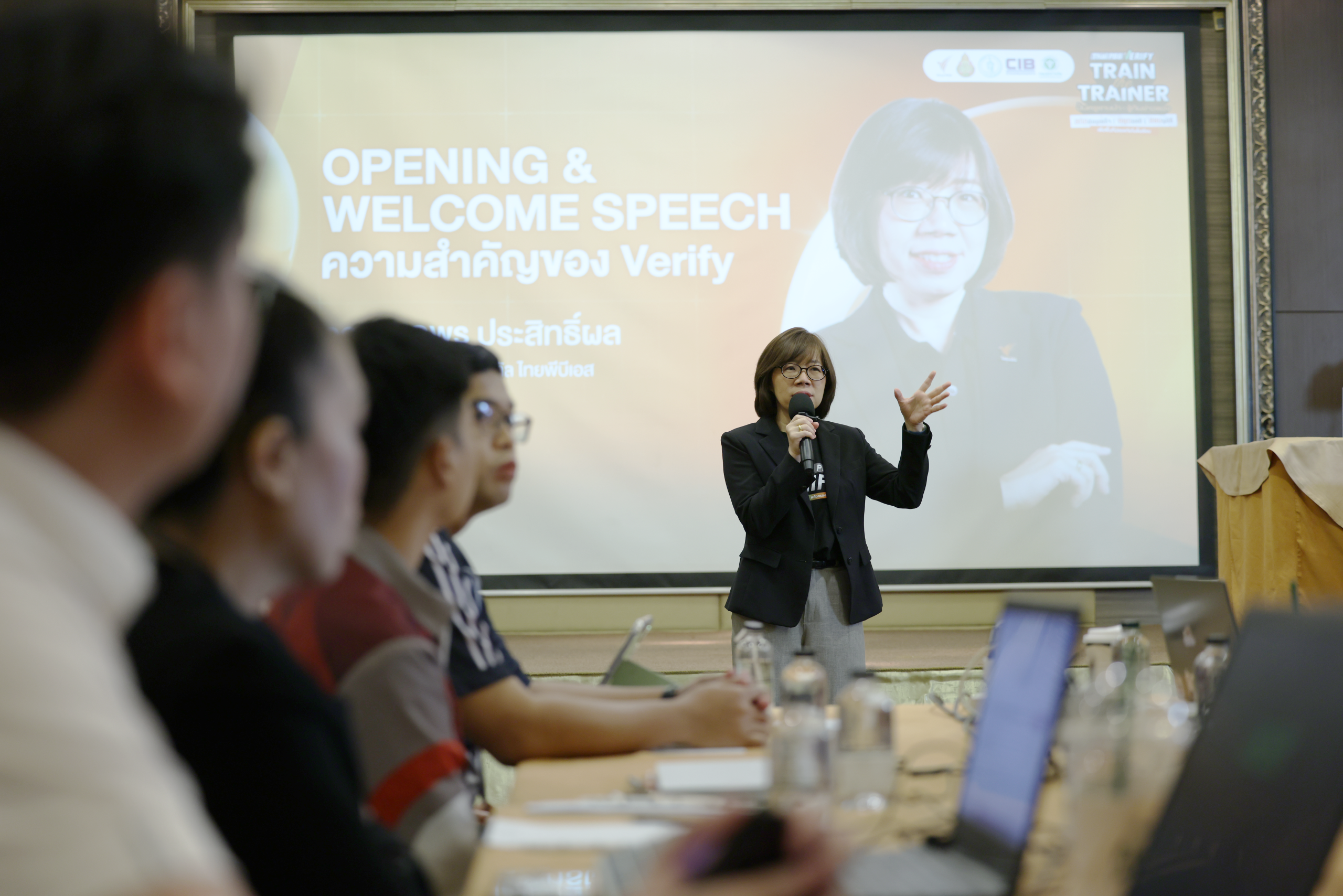
“We recognised that teachers play a crucial role in building resilience to misinformation among young people, particularly at a time when AI has made fake and misleading content easier and more convincing to create,” she said.
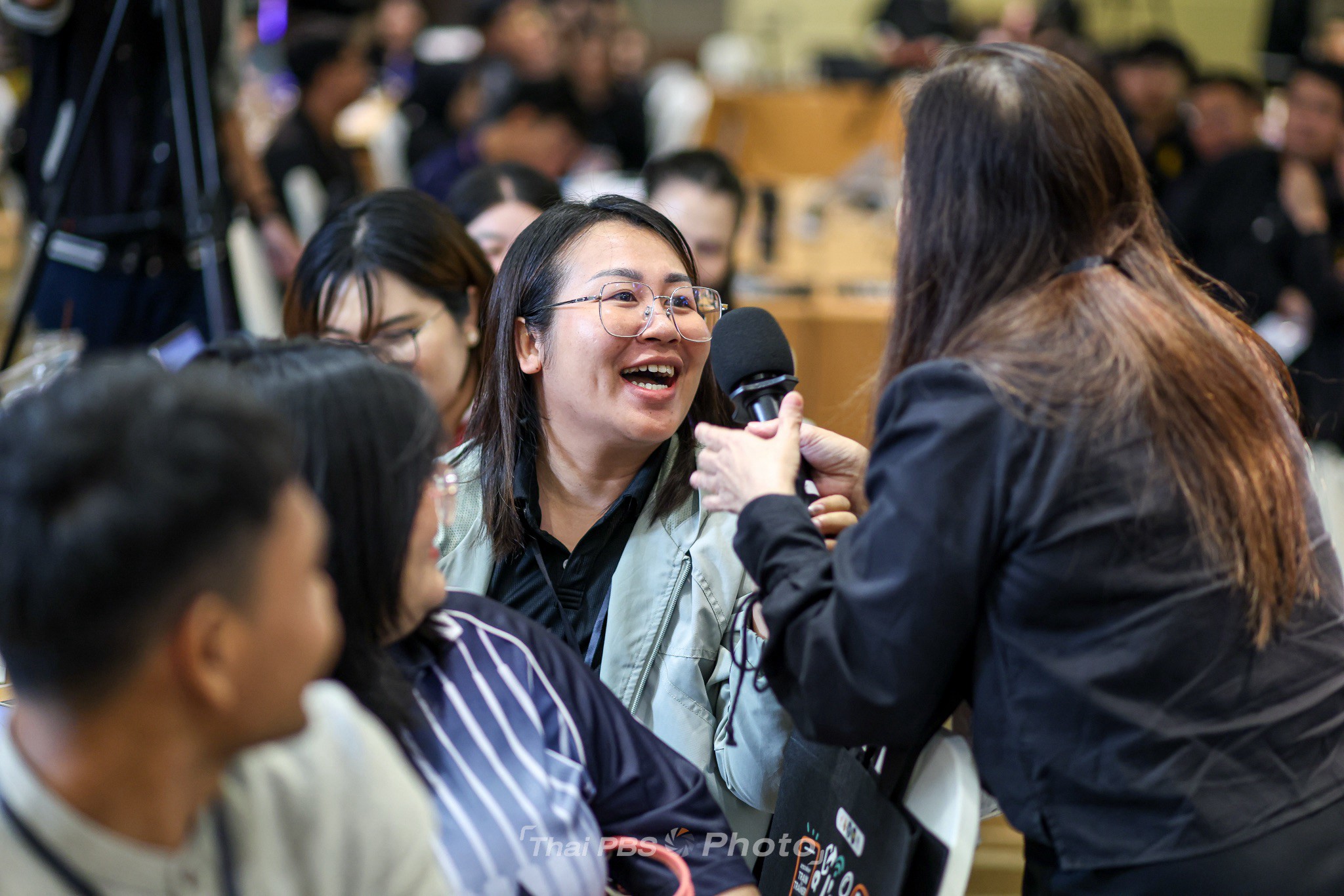
“The Thai PBS Verify: Train the Trainer 2026 project provides teachers with opportunities to develop their capabilities, learn fact-checking methodologies, practise using verification tools and work with fact-checking experts from Thai PBS Verify, Obec and the BMA to design lesson plans that can be applied directly in their classrooms.”
She expressed hope that the intensive two-day programme would enable participants to transfer practical skills into their teaching.
“Being media literate is not simply about distinguishing between true and false information. Students must learn how to ask questions, verify information systematically before believing or sharing it, protect themselves from online threats and contribute to a safer learning environment for everyone,” she said.
AI misinformation, fact-checking skills and digital resilience
The opening day featured six sessions covering the evolving misinformation landscape in the AI era, critical thinking skills, fact-checking techniques and hands-on workshops using verification tools and newsroom simulations.
The first session, titled “Understanding the fake news landscape: What you need to know to survive in the AI era”, was led by Ms Kanokporn. Teachers examined the growing phenomenon of the “infodemic” and explored the differences between “AI slop”, referring to low-quality AI-generated content that creates confusion and makes reliable information harder to find, and deepfakes, in which AI manipulates images, audio or videos to appear authentic.
Participants learned how such content can influence public trust and decision-making across politics, disasters, social issues and public health, potentially fuelling division, distorting perceptions and undermining confidence in institutions. Ms Kanokporn stressed the importance of questioning information, checking sources and carefully assessing content before sharing it.
Second session
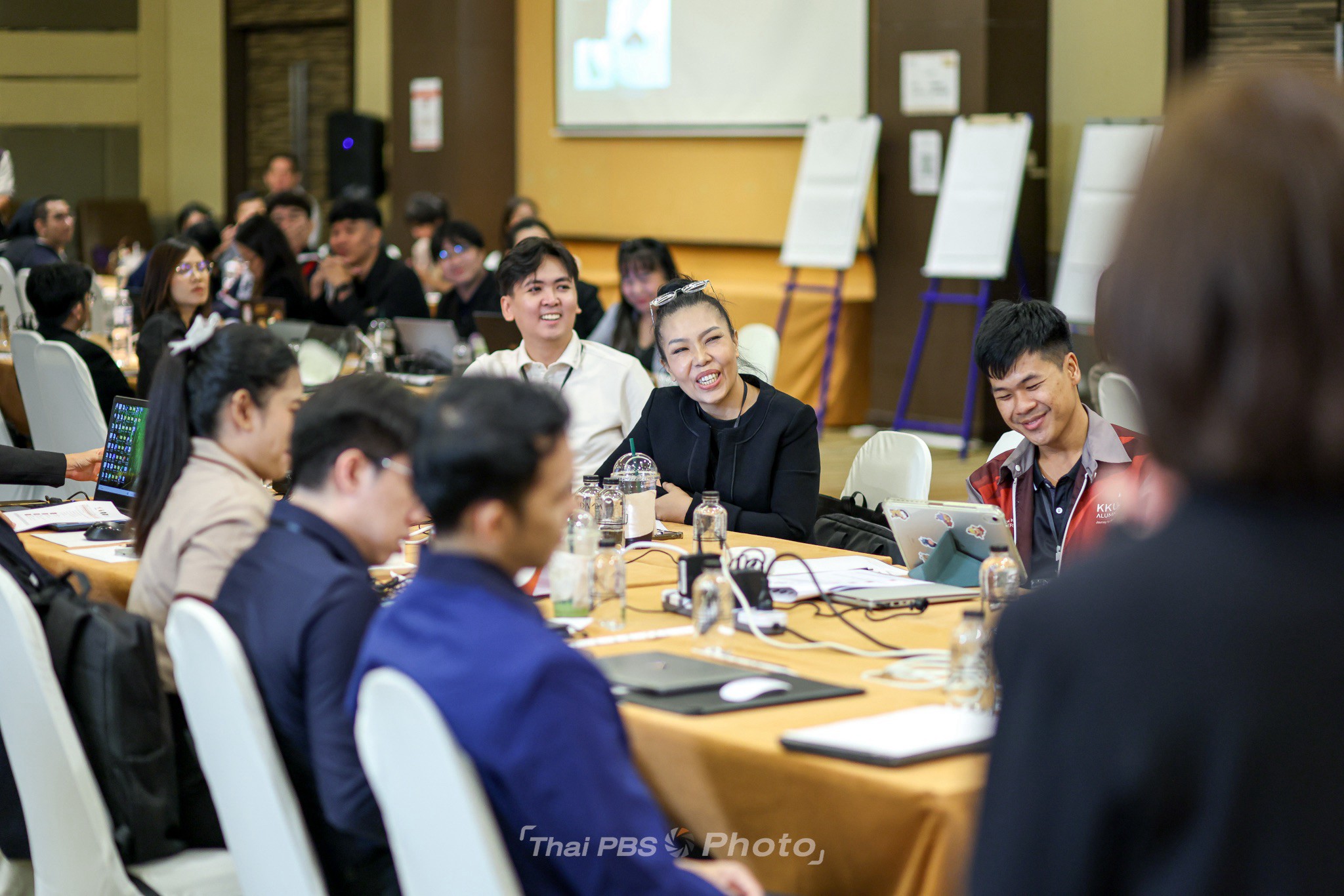
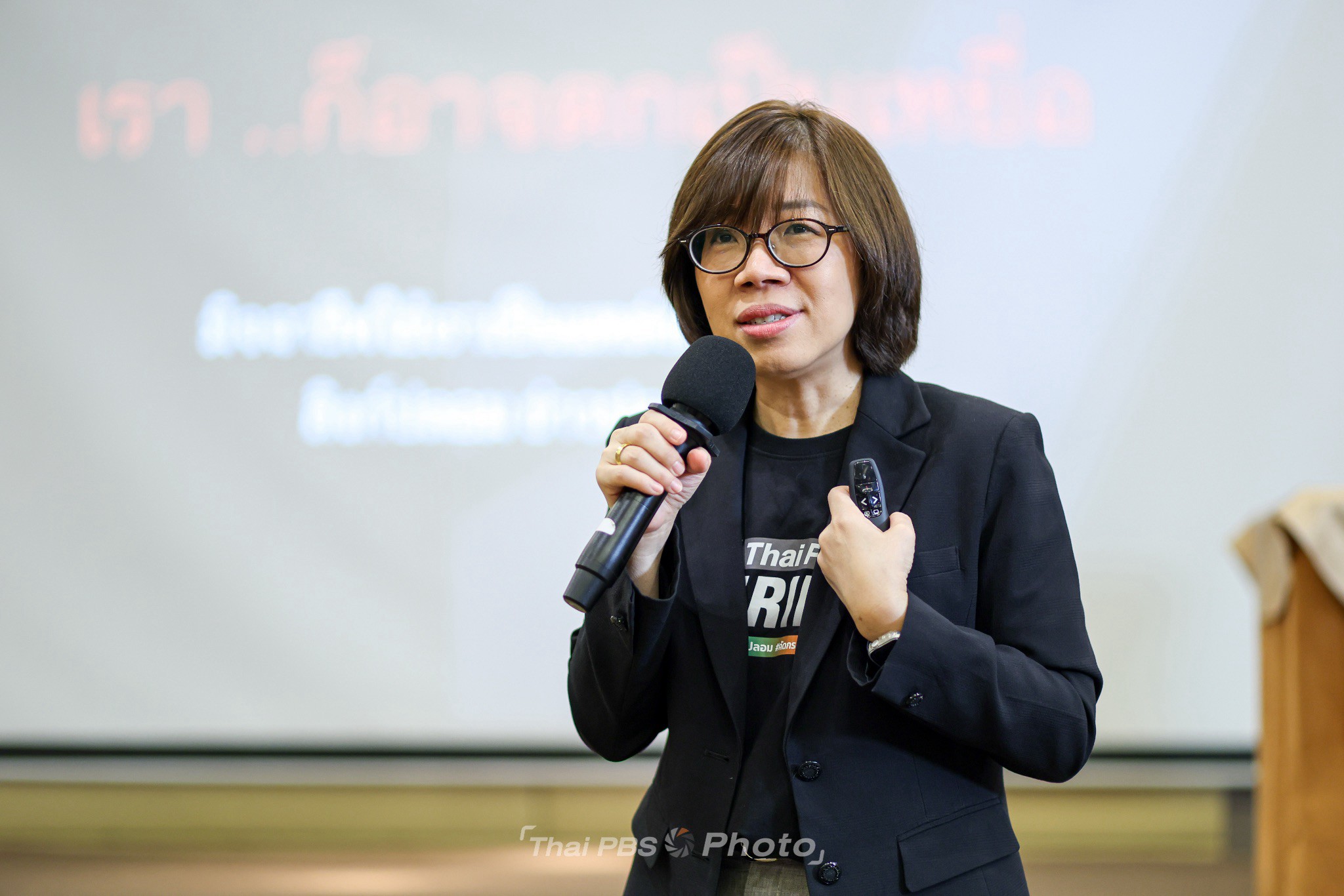
The second session introduced teachers to internationally recognised fact-checking practices through the SIFT method, presented by Associate Professor Dr Wilaiwan Jongwilaikasem, adviser to the Thai PBS Verify project.
The framework consists of four steps:
- Stop: Pause before sharing, think critically, question the information and assess your emotional reaction.
- Investigate: Examine the source, publisher and context.
- Find: Search for information from multiple sources, compare facts and use verification tools such as Google Lens.
- Trace: Track images, videos or claims back to their original source to understand context and credibility.
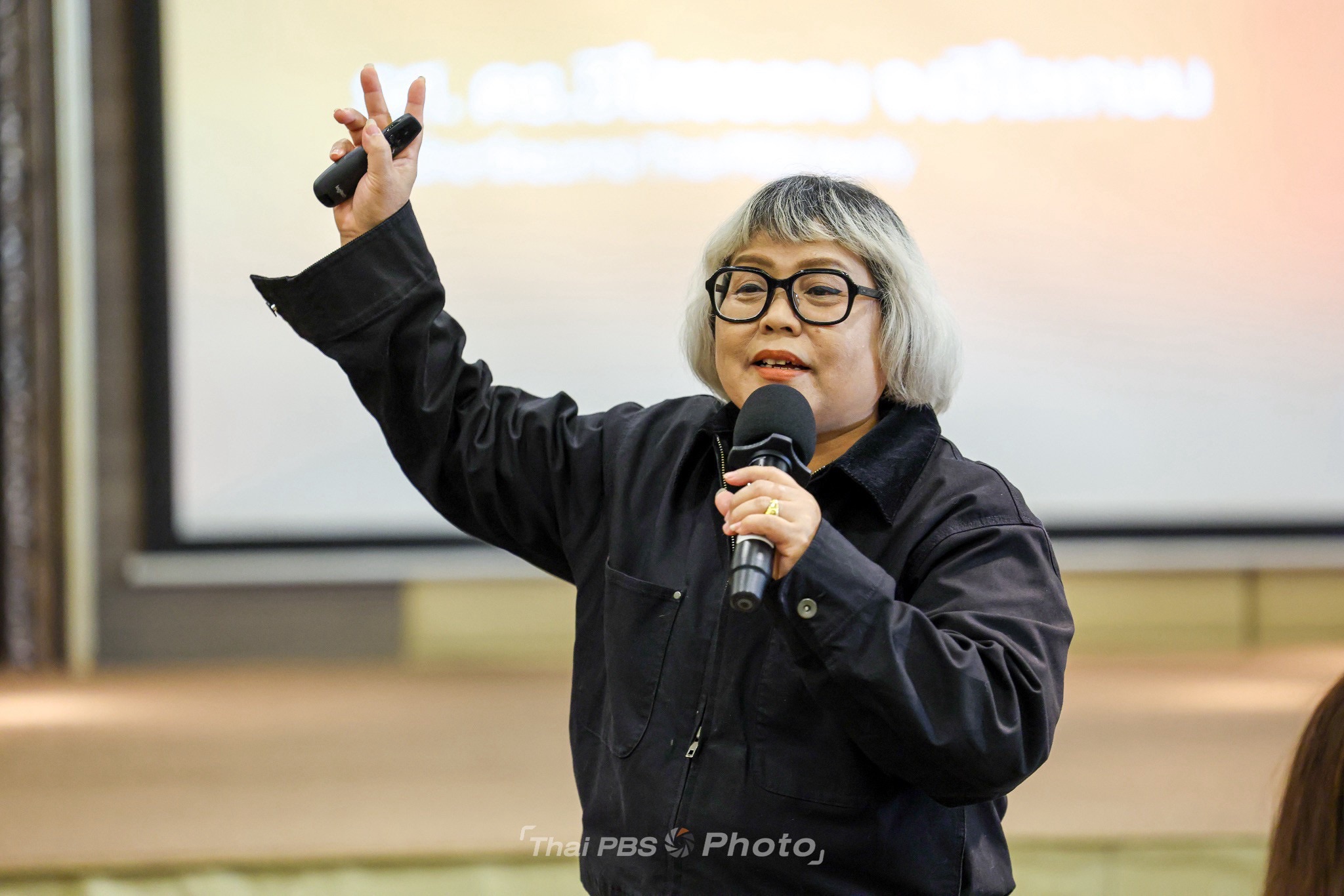
The approach encourages teachers to move beyond passive information consumption and adopt systematic verification practices, while helping students avoid emotional decision-making and irresponsible sharing of unverified content.
Tackling scams and cyberbullying
Beyond misinformation, participants also received training on online threats affecting young people. Pol Col Neti Wongkulab, Deputy Commander of the Technology Crime Suppression Division under the CIB, led a session titled “Scanning the digital battlefield: Understanding threats in schools”. He outlined six major categories of technology-related crime currently encountered in Thailand and revealed that women aged 21-30 are among the most common victims, particularly in cases involving online shopping scams, impersonation and fraudulent job offers.
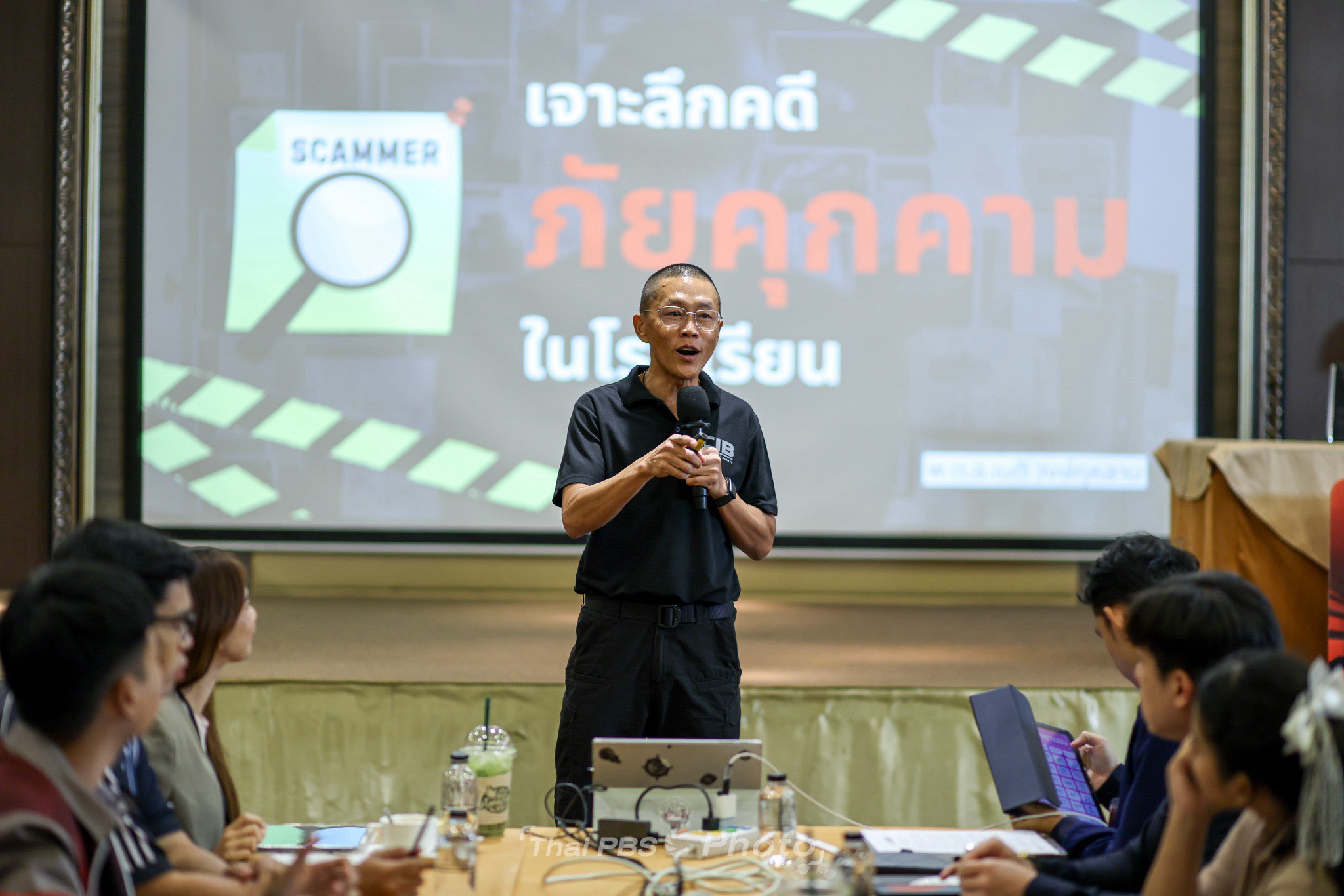
Teachers were also introduced to criminal tactics used to harvest personal data through methods described as “search, infiltrate and exploit”. Scammers often manipulate emotions such as fear, greed and affection to pressure victims into making hasty decisions without adequate caution.
The session provided educators with a clearer understanding of the digital risks young people face every day.
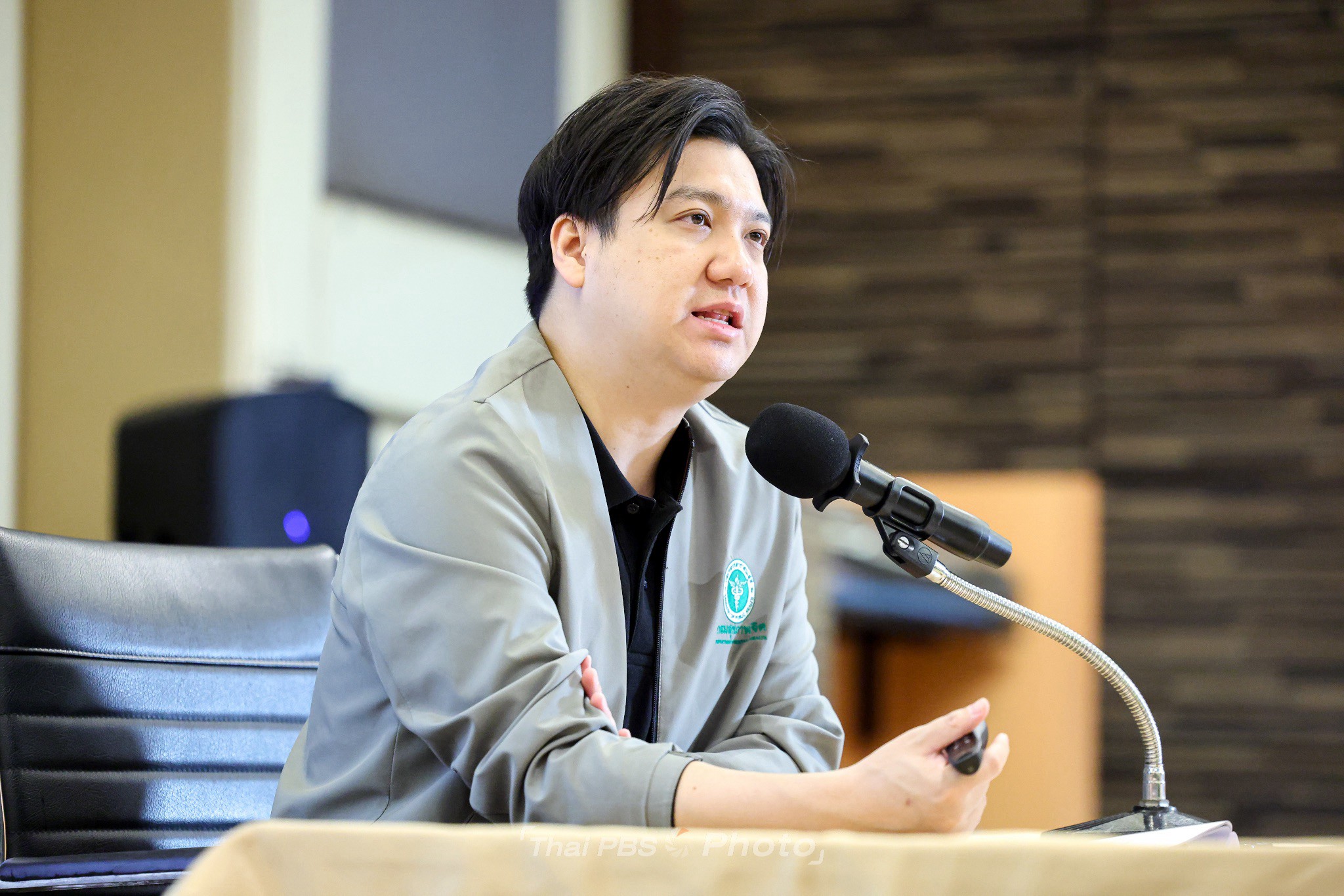
Dr Varoth Chotpitayasunondh, spokesperson for the Department of Mental Health, then addressed cyberbullying in schools in a session titled “Understanding emotional triggers and stopping cyberbullying”. Teachers learned about the cycle of online harassment, its psychological impact on victims and warning signs that students may be experiencing abuse.
The training also introduced the Look-Listen-Link approach, which includes assessing urgent situations, understanding students’ concerns and connecting them with appropriate support services. The aim is to help teachers respond effectively and compassionately while fostering safer environments for students.
Hands-on newsroom investigations
In the afternoon, participants joined a practical workshop led by the Thai PBS Verify team, including Kantida Kunnapatee and Nattapoln Toomma, who demonstrated how to use investigative and verification tools to examine images, videos and online claims.
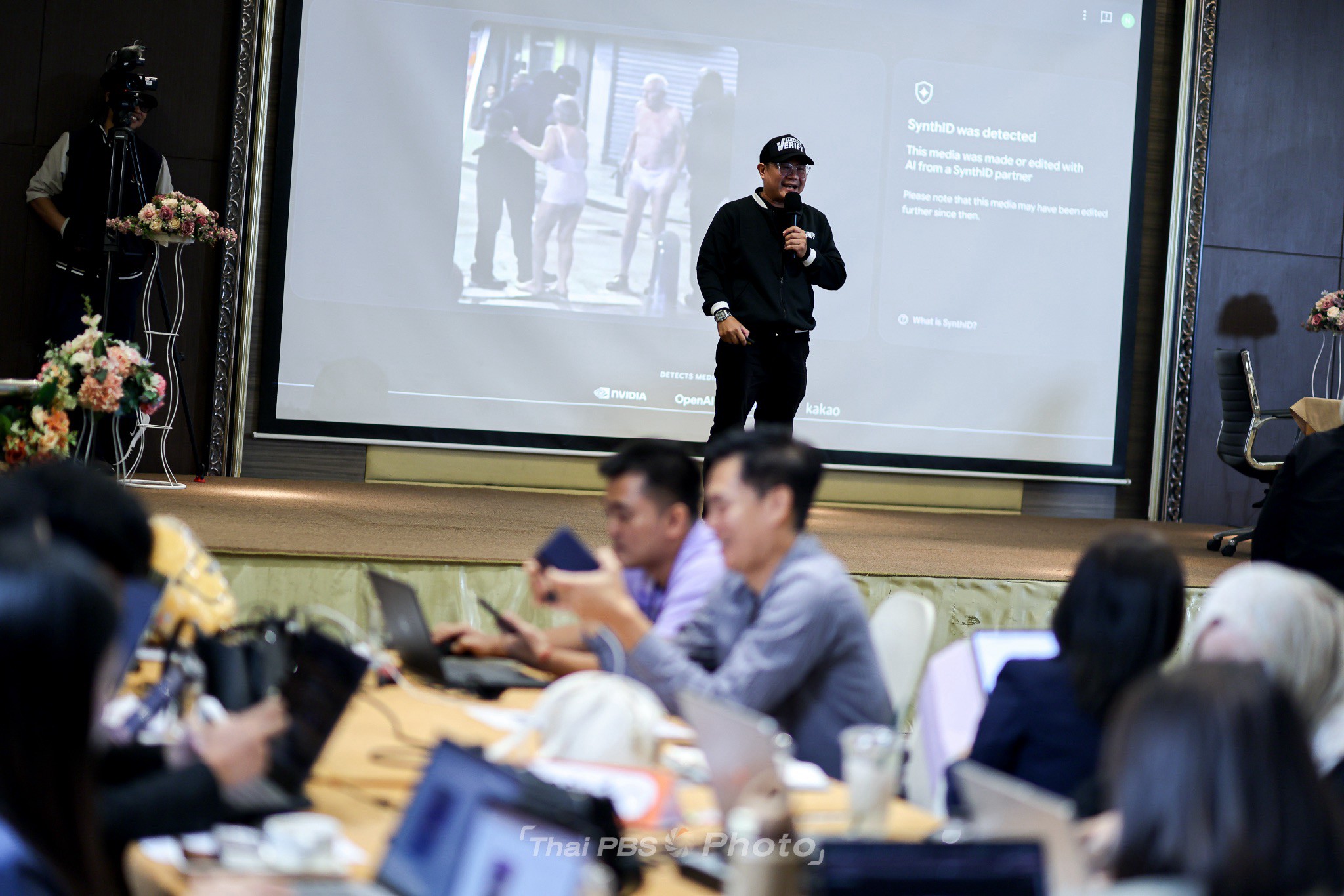
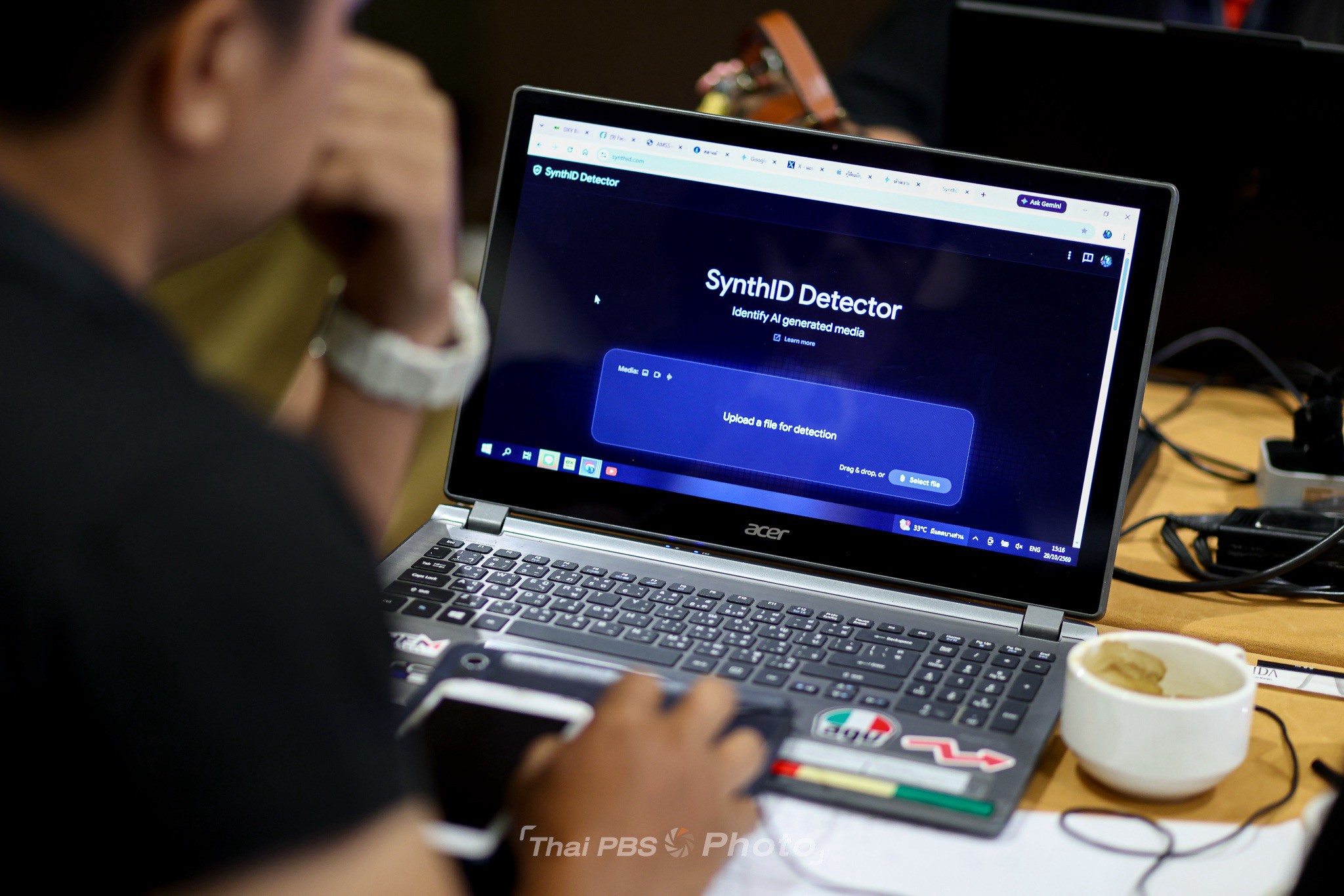
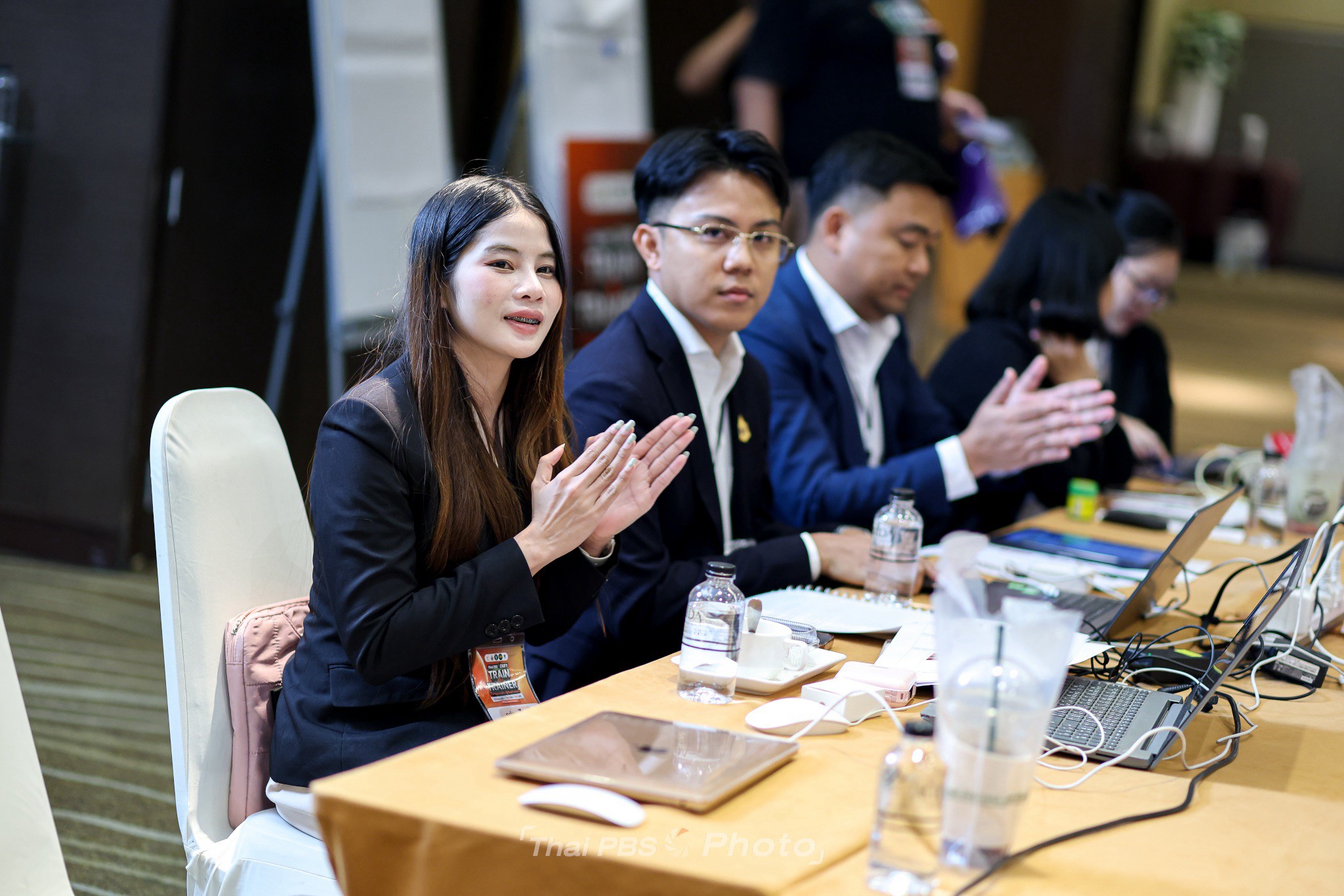
Joined teachers practised gathering evidence and verifying facts rather than relying on assumptions, emotions or personal beliefs.
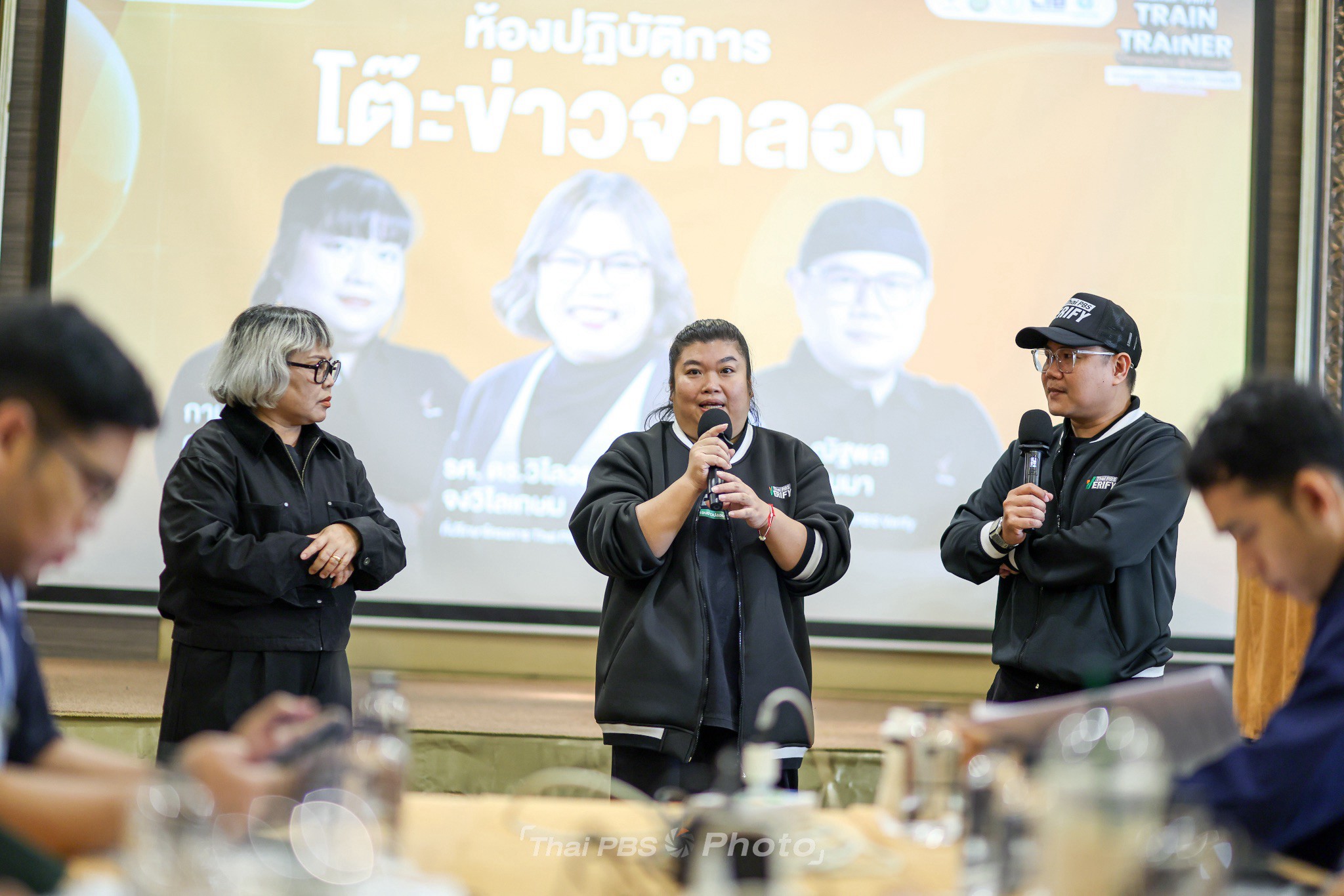
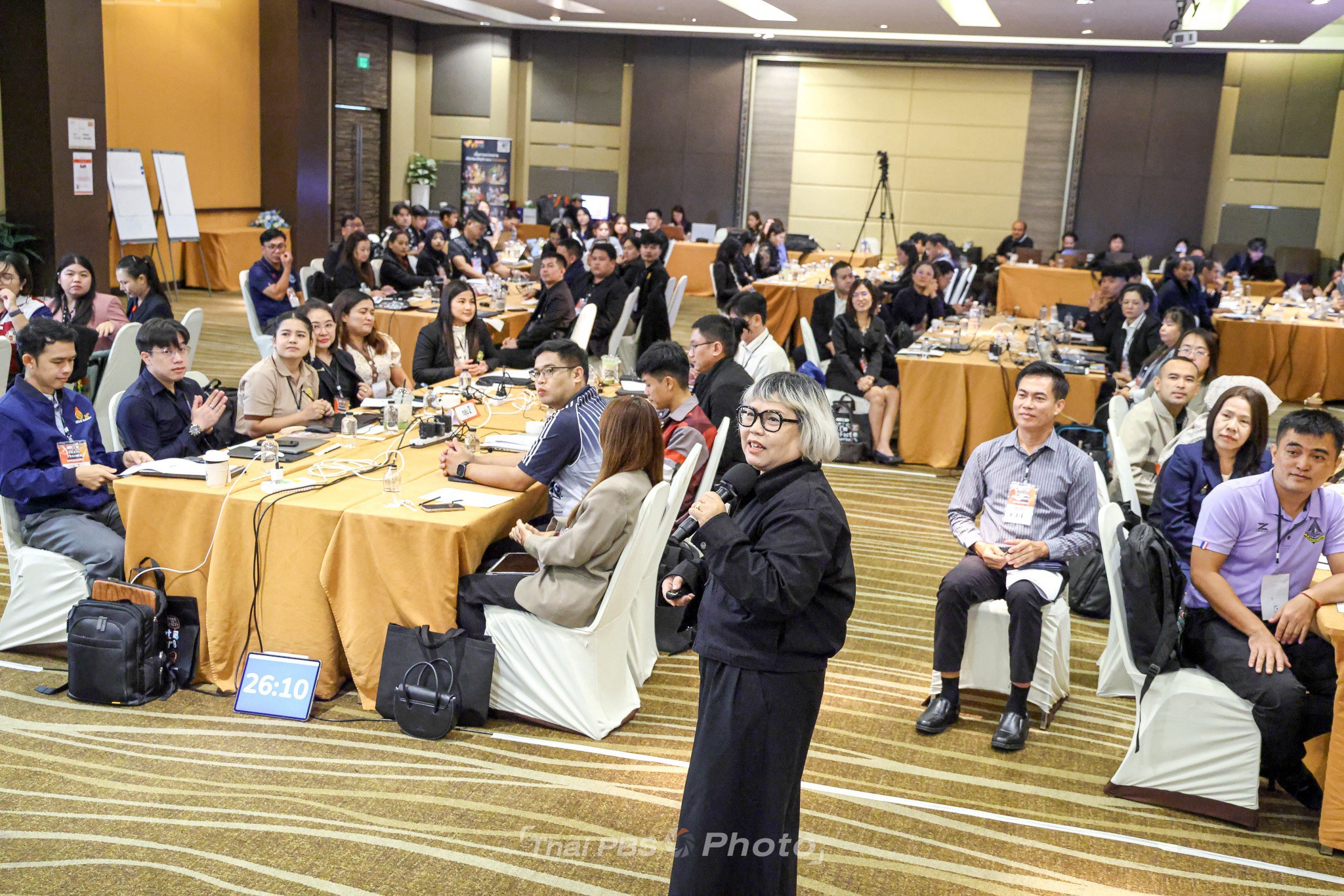
The first day concluded with a simulated newsroom exercise, in which participants worked in teams to investigate mystery news cases. The activity challenged teachers to analyse evidence, verify claims and collaborate systematically in search of the truth.
Knowledge gained from the first day will be used to develop a five-hour Active Learning course in partnership with experts from Obec and the BMA during the second day of training.
After completing the programme, participating teachers will implement the curriculum in their classrooms during the second semester of the 2026 academic year. They will also be eligible to enter the “Model Teacher for Media Literacy Classrooms” competition, with total prizes worth 100,000 baht and a commemorative trophy. Winners are scheduled to be announced on April 1, 2027.
More information and updates from the programme are available at www.thaipbs.or.th/VerifyTrainer.