From a Hundred-Baht Mattress to Millions in Losses. Unpacking Lessons from Spread “Money Transfer Task” Scams.

Complaints from victims continue to occur constantly in the digital age. Most recently, a consumer ordered a mattress through a Facebook page that looked credible, but it turned out to be the starting point of losing over 1 million Baht. This incident reflects that "online threats" no longer come in the same old forms, but have developed to be more seamless and complex.
Trust Built “Task” Scams
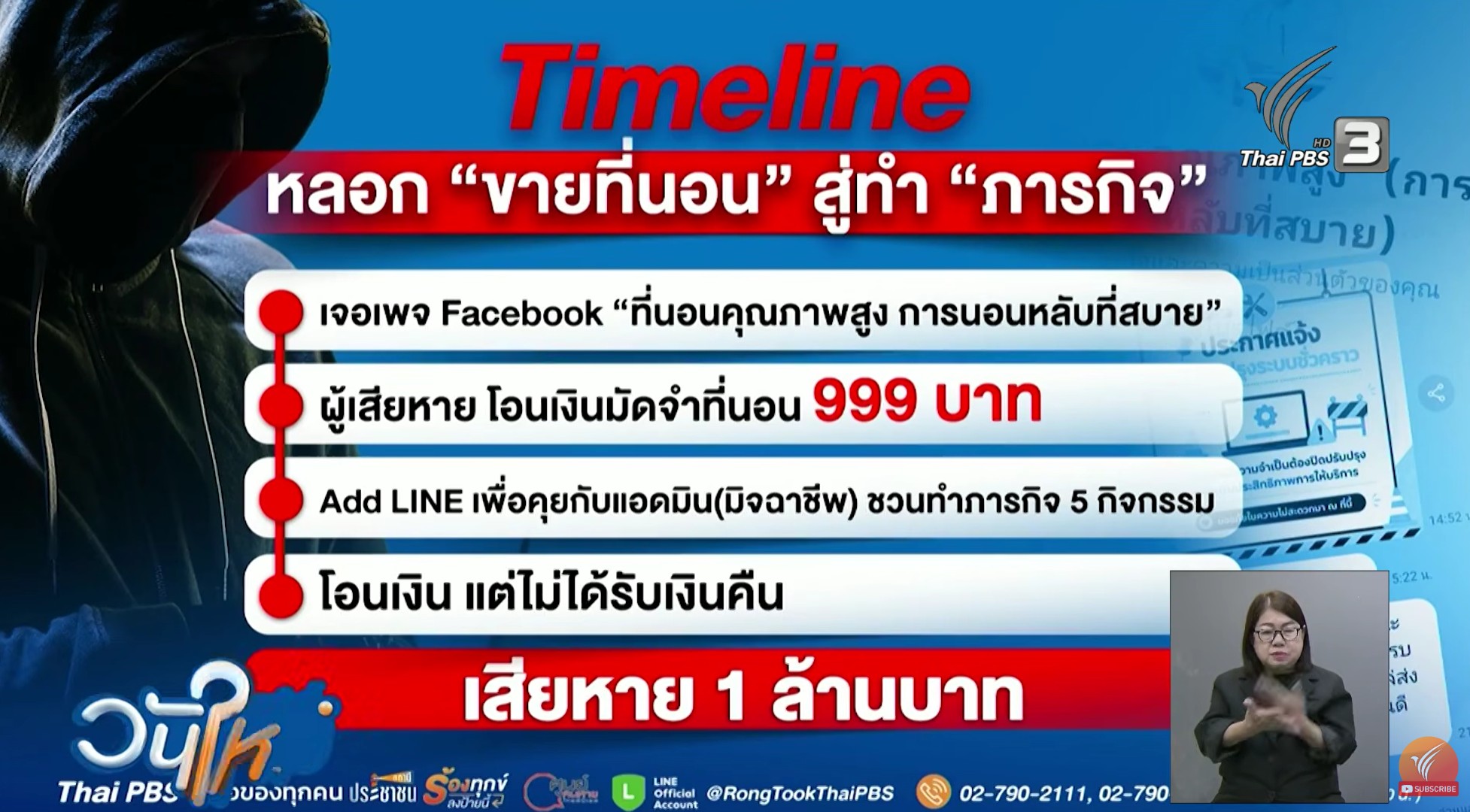
After transferring a deposit of 999 Baht, the victim was persuaded to add Line to complete a 5-step “task” which is started from transferring money into the system and actually receiving a 200-Baht return. This strategy is to build confidence, making the victim believe that it is a system that yields money and dare to invest more.
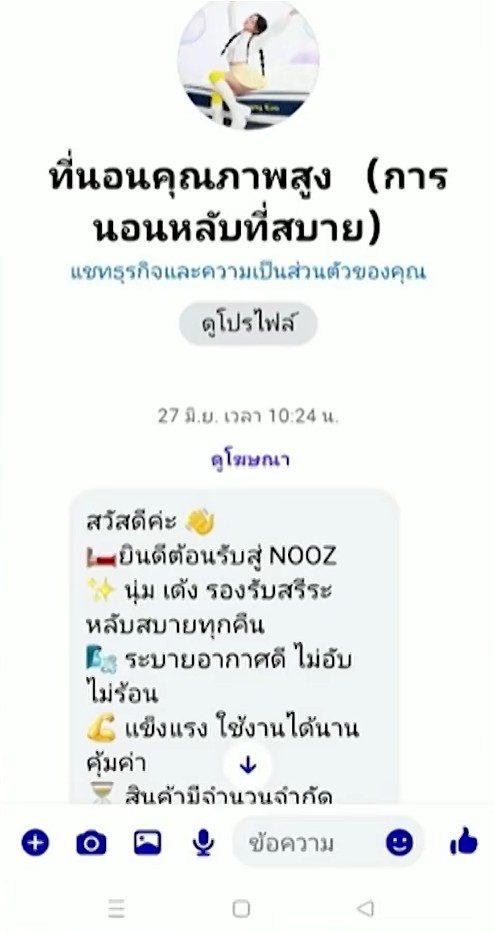
A Facebook page that sells mattresses and deceives people into completing tasks.
Pressure and Tricking into Transferring More Money
When the victim wanted to stop, the scammers instead used coercive conditions, claiming that if the tasks were not fully completed, the product would not be received. This method caused the victim to gradually transfer more money, from hundreds to tens of thousands, with the hope that they would receive the goods and finally be able to withdraw the money back.
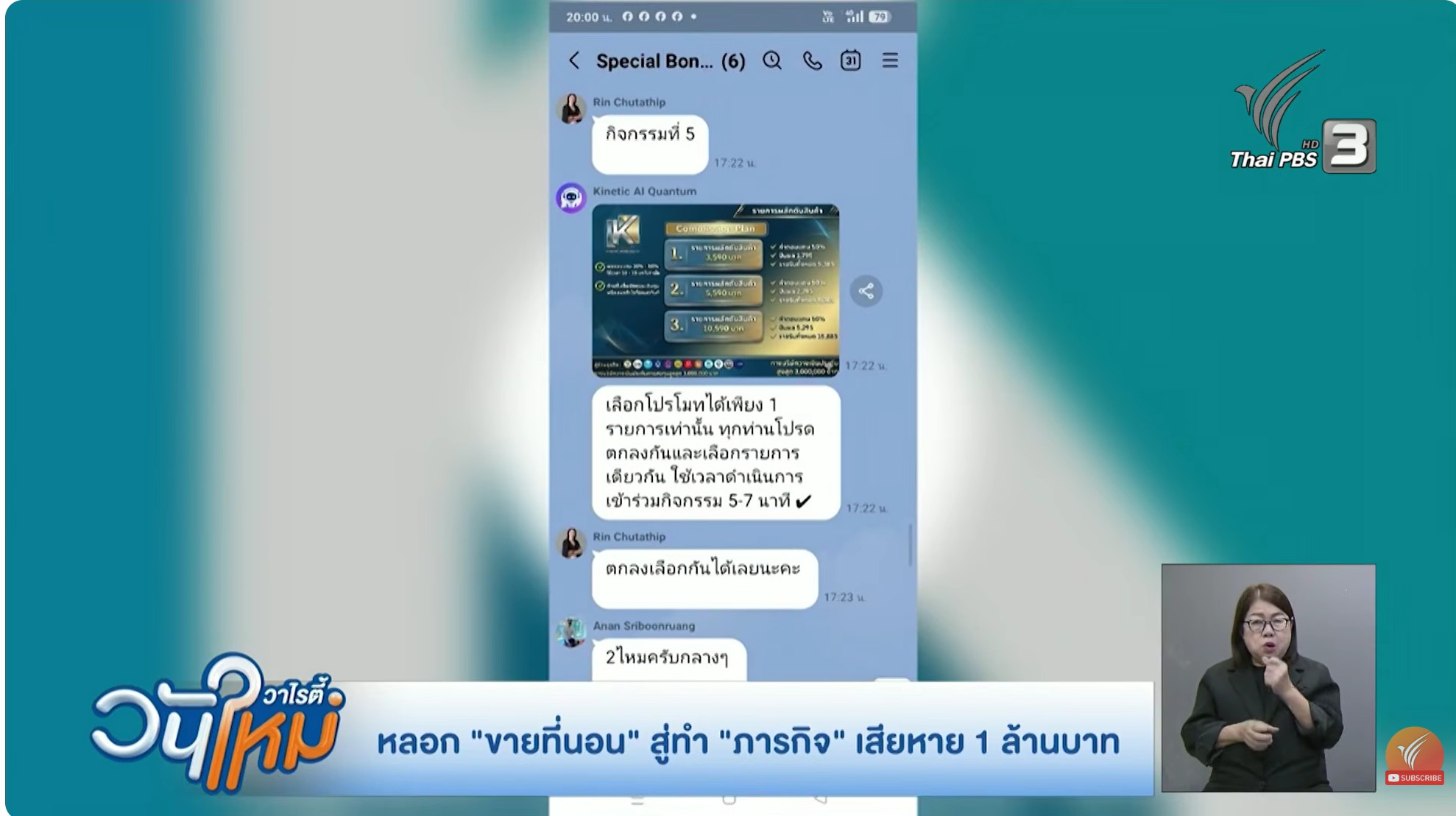
Breaking Point: Tricking into Transferring a Large Lump Sum
When the victim attempted to withdraw the money, the scammers claimed that a reserve fund of 500,000 Baht in the system was required to verify the identity, and they also made phone calls to bolster credibility, confirming that the money would be refunded within 1 hour. Ultimately, the victim transferred money twice, totaling 1 million Baht, but received nothing in return.
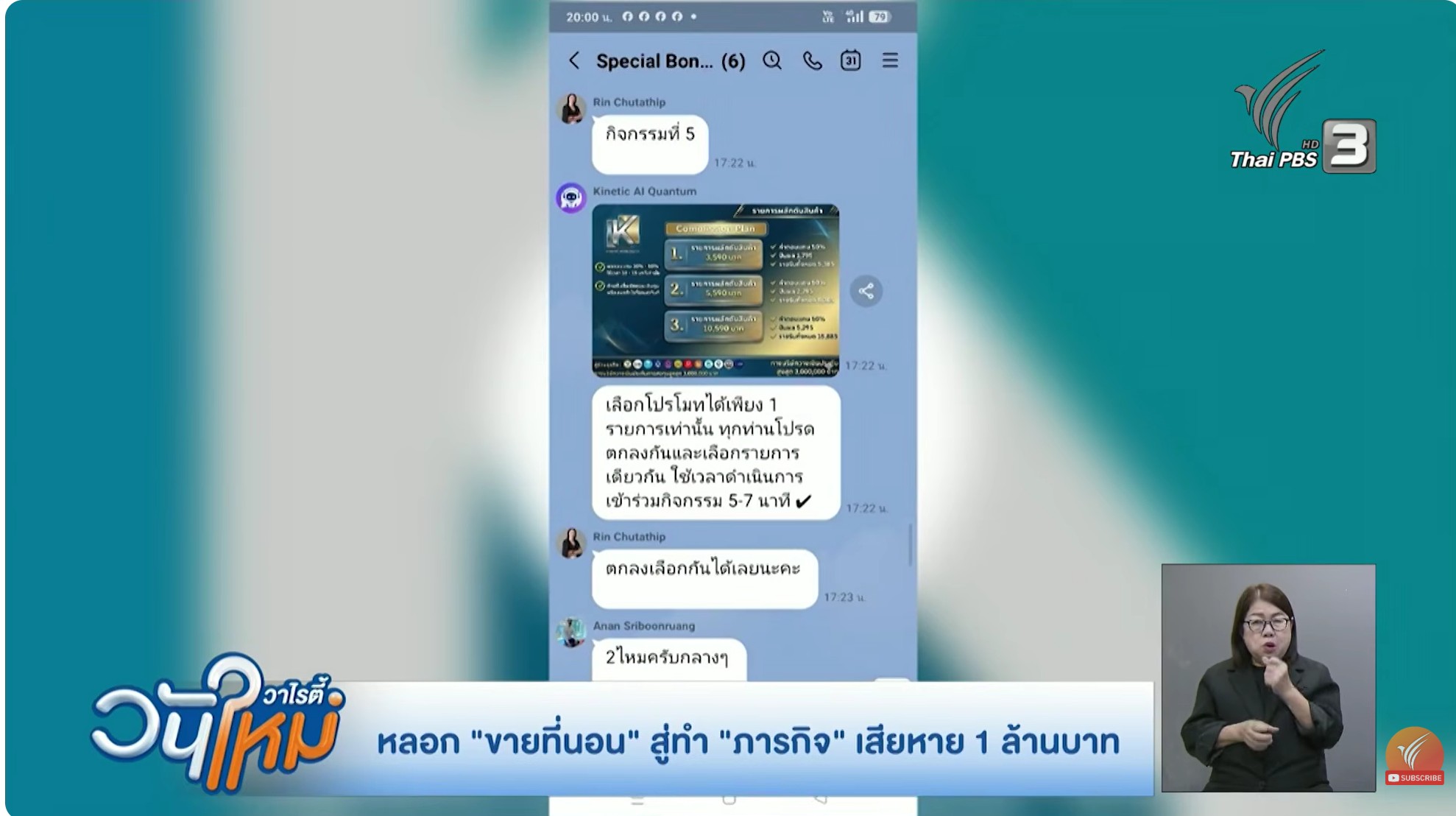
Guidelines for Action When Realizing You Have Been Tricked
Mr. Pattarakorn Teepaboonrat, Deputy Head of the Consumer Protection and Rights Safeguarding Department, Thailand Consumers Council, stated that chat evidence and transfer slips must not be deleted. One must stop transferring money immediately and urgently inform the 1441 hotline to suspend the financial path as quickly as possible, as well as coordinate with the bank to freeze the scammer’s account.
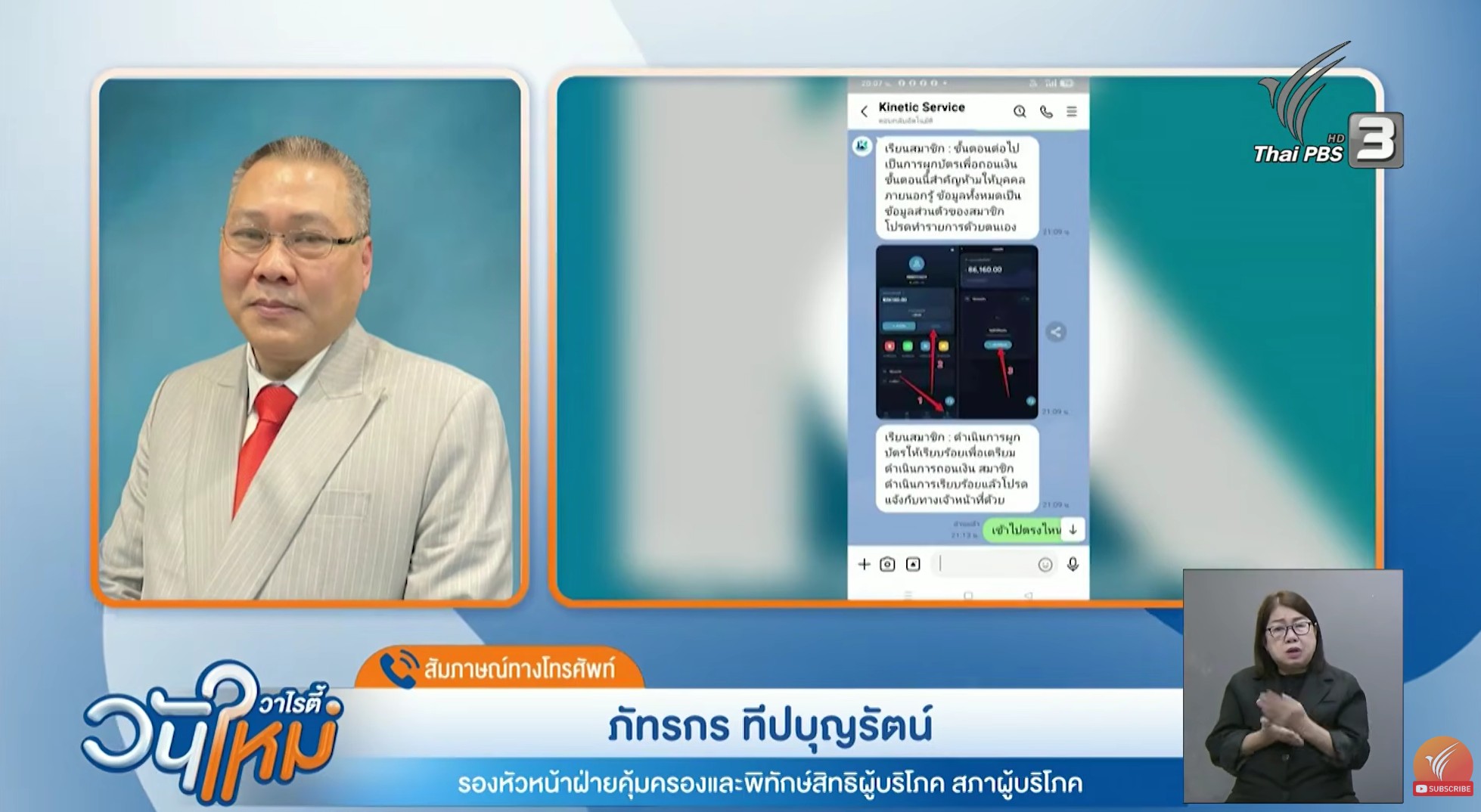
Mr. Pattarakorn Teepaboonrat, Deputy Head of the Consumer Protection and Rights Safeguarding Department, Thailand Consumers Council
In addition, this case reflects the issue of controlling advertisements on platforms such as Facebook, which still leaves loopholes that allow scammers to easily reach consumers. Currently, there is a push for the parent company, Meta, to take responsibility and seriously increase seller verification measures.
Consumers should be cautious of advertisements that are unnaturally cheap or offer high returns without having to work. They should verify the identity of the seller, avoid transferring money outside the platform, and question every offer that seems “too good.”
Online scams nowadays utilize both psychology and technology to deceive. The most important thing is to stay conscious and not fall victim to greed or urgency. The crucial mantra remains ever-applicable: “Don’t believe, don’t rush, don’t transfer,” to prevent becoming the next victim.
Special thanks for the information from : Rong Took Pai Nee Program