Old fake banknote warning resurfaces in 2026 as BoT debunks new outbreak
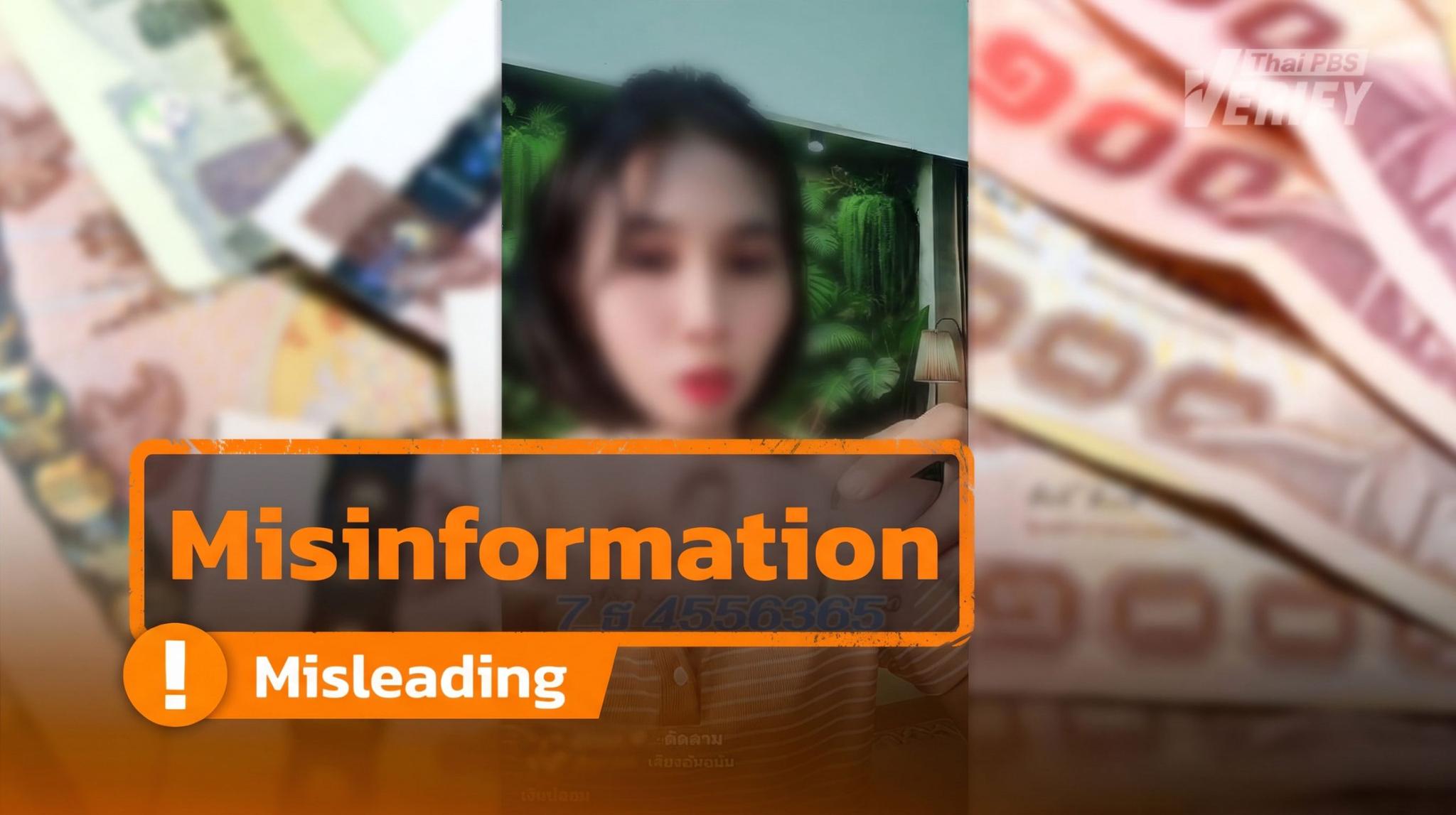
Thai PBS Verify found this disinformation on Facebook
News report on the seizure of counterfeit banknotes published by Khaosod Online.
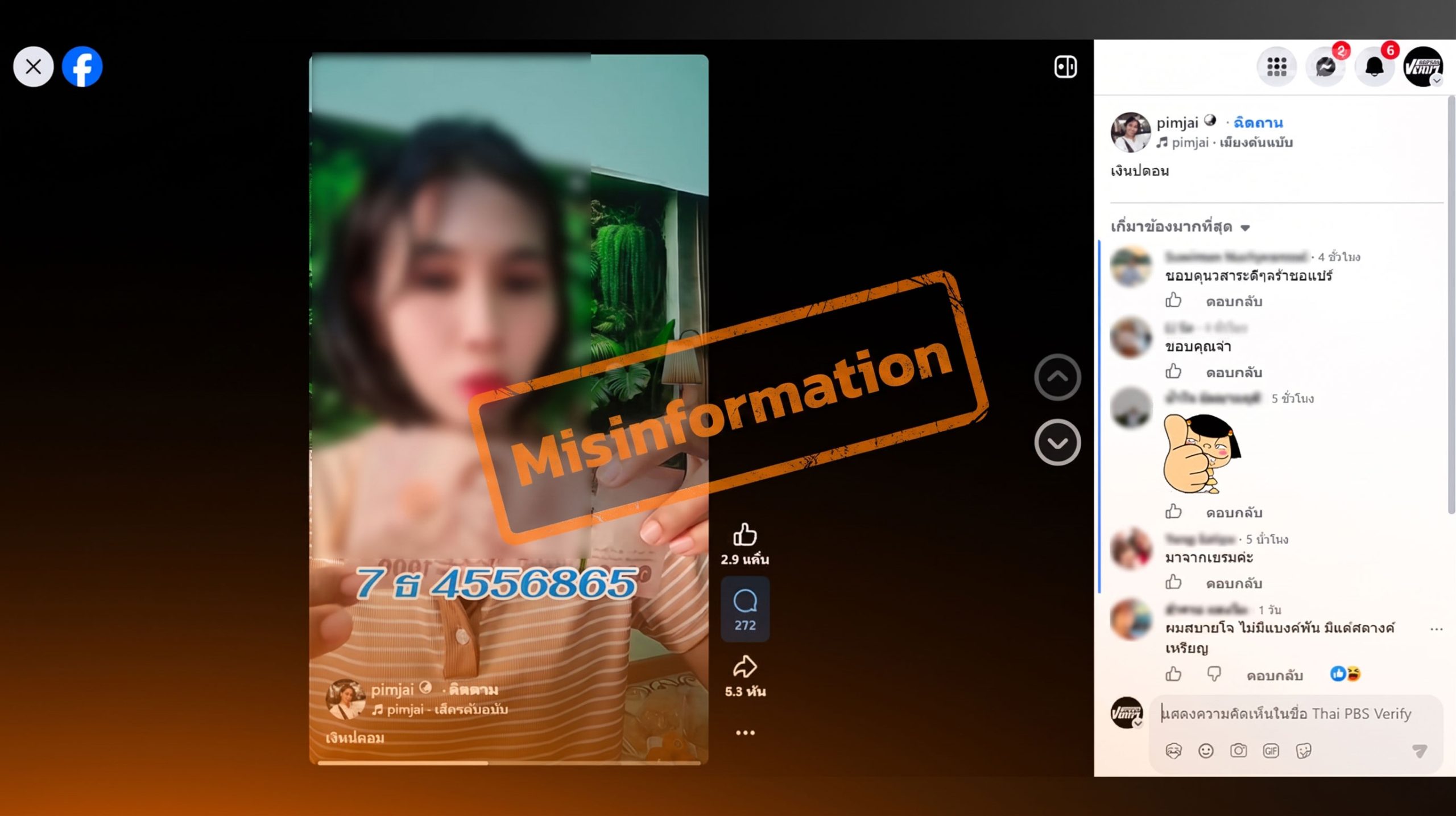
Thai PBS Verify traced the misleading claim to a Facebook post by a user named pimjai, who shared a video alleging that all 1,000-baht notes with the serial number “7 ธ 4556865” were counterfeit. In the clip, viewers are urged to reject any note carrying that serial number, with particular warnings directed at market vendors and shopkeepers.
The video claims counterfeit 1,000-baht notes are “spreading again” and says all banknotes in the alleged batch carry the exact same serial number. It also encourages people to use counterfeit-detection pens and share the warning widely.
The clip has attracted more than 1.6 million views since it was posted on Oct 11, 2026.
Is there really a new counterfeit banknote outbreak?
A search of news archives found that the serial number “7 ธ 4556865” first appeared in reports from 2024. At the time, Khaosod Online reported the arrest of a Chinese national who allegedly used counterfeit banknotes to purchase spectacles at Bangkok’s Chatuchak Market.
The suspect was arrested on Oct 27, 2024, by Bang Sue police, who seized 95 counterfeit 1,000-baht notes. Images published with the report showed the serial number “7 ธ 4556865” printed on the seized notes. The reverse side of the notes also clearly displayed the word “COPY”.
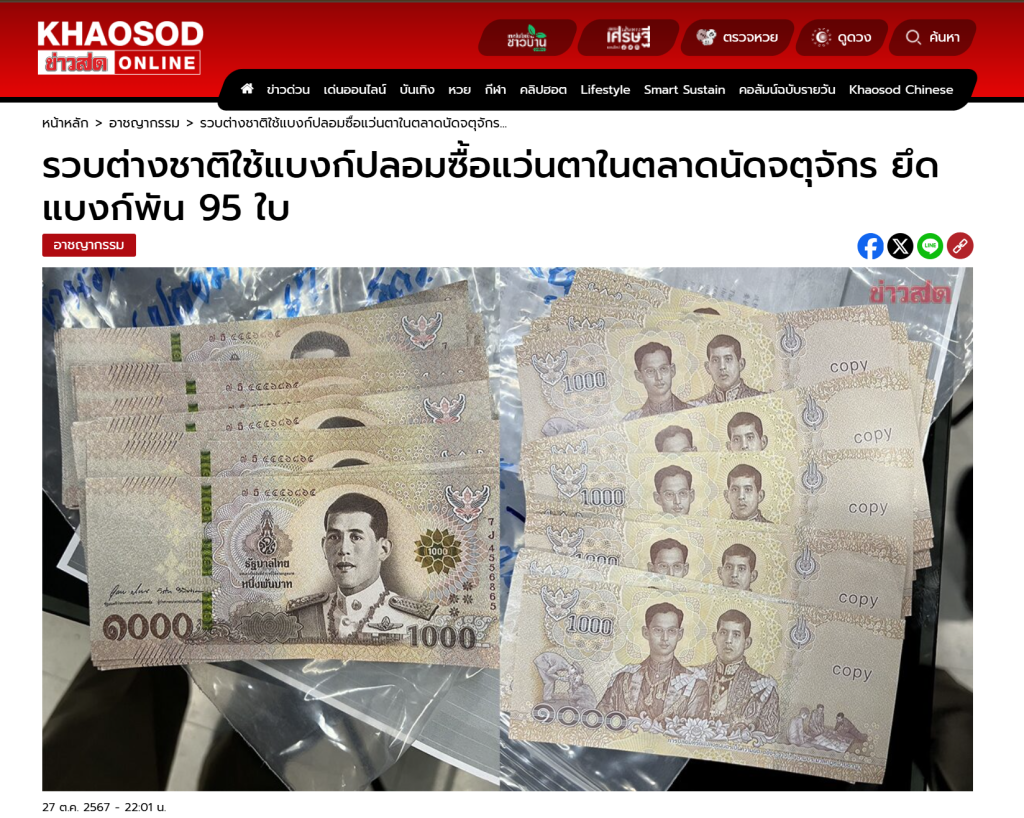
News report on the seizure of counterfeit banknotes published by Khaosod Online.
Are counterfeit banknotes circulating now?
Keyword searches found a more recent case reported by Thairath Online on Oct 9, 2026. The report involved a Cambodian worker accused of using counterfeit 500-baht notes to purchase goods in Chanthaburi province.
According to the victim, the 35-year-old labourer, who worked harvesting longan fruit in Chanthaburi and Sa Kaeo provinces, paid for goods with a fake 500-baht note. The seller returned more than 400 baht in change before later discovering the note was counterfeit, suffering a financial loss.
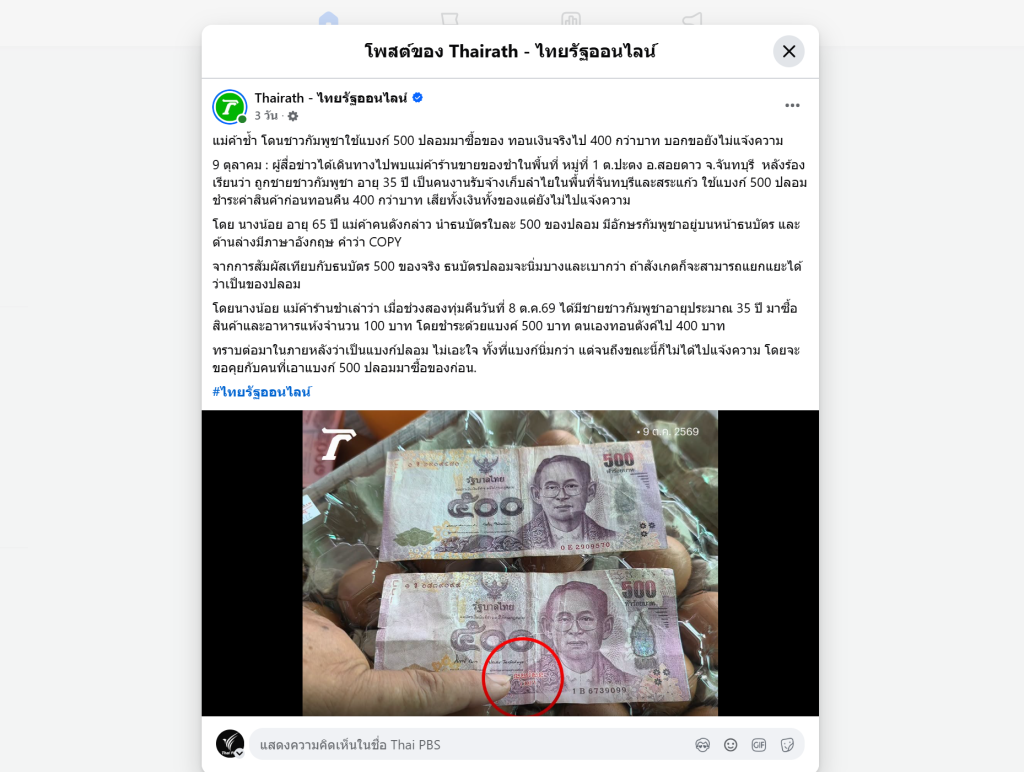
News report about counterfeit banknotes published by Thairath Online.
Inspection of the counterfeit 500-baht note found Cambodian script printed on the front and the word “COPY” in English at the bottom. Compared with genuine notes, the counterfeit version was softer, thinner and lighter, making it distinguishable through careful inspection.
The findings show that the viral claim about the serial number “7 ธ 4556865” is based on an old 2024 incident rather than a current counterfeit-currency outbreak.
BoT says no surge in counterfeit banknotes
Thai PBS Verify contacted the Bank of Thailand for clarification.
Mr Adisorn Chanthapimpha, Director of the Banknote Management Office under the Payment Systems and Banknote Management Group, said the central bank had not detected any increase in counterfeit banknotes over the past year.
He said counterfeit notes remain extremely rare in Thailand, with statistics showing around four counterfeit banknotes for every 10 million genuine notes in circulation.

Adisorn Chanthapimpha, Director of the Banknote Management Office, Bank of Thailand.
Regarding the viral warning shared on Oct 11, 2026, BoT officials confirmed it referred to the 2024 Chatuchak Market case. The post simply repackaged an old news story as a fresh warning and does not reflect a new counterfeit-banknote outbreak.
The central bank also said it had not identified any additional counterfeit notes carrying the serial number “7 ธ 4556865”.
How to identify genuine banknotes
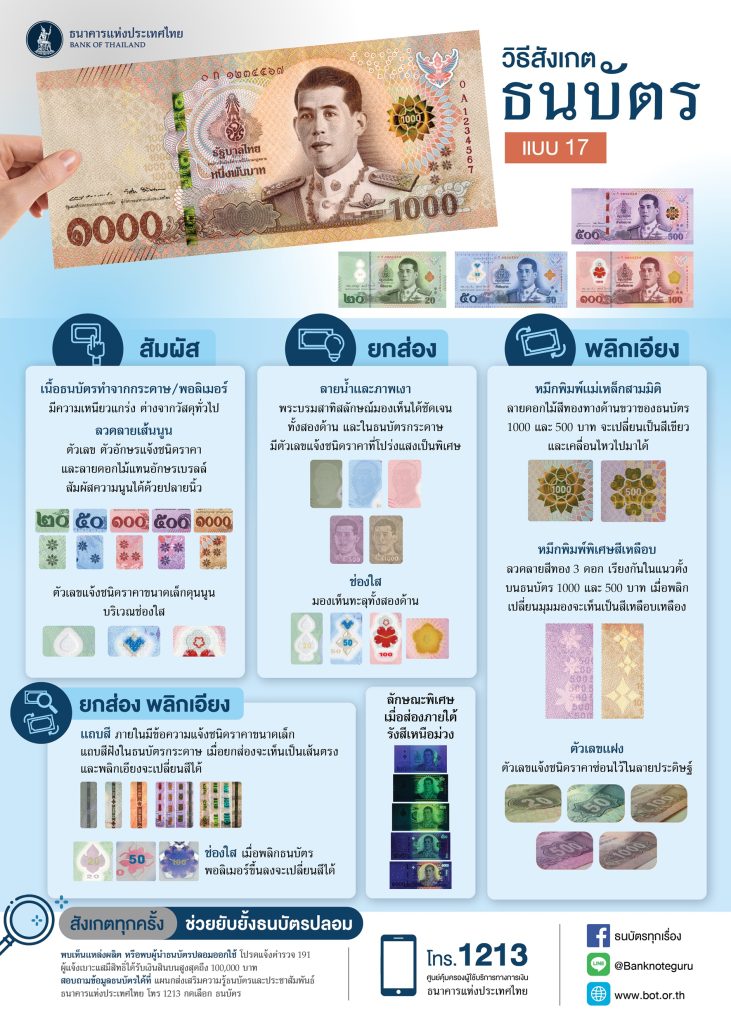
The Bank of Thailand advises the public to verify banknotes using the “touch, tilt and look-through” method.
Touch
- Genuine banknotes have a unique texture distinct from ordinary paper or plastic materials.
- Raised printing can be felt on key features, including the words “Government of Thailand”, denomination numerals and Braille symbols.
- On polymer banknotes, the transparent window contains a small embossed denomination numeral.
Look through
- When held against the light, genuine notes reveal a watermark and a portrait image visible from both sides.
- The embedded security thread appears as a continuous line and contains small denomination markings.
Tilt
- When held against the light, genuine notes reveal a watermark and a portrait image visible from both sides.
- The embedded security thread appears as a continuous line and contains small denomination markings.
Authorities warned that criminals often attempt to pass counterfeit notes in dimly lit locations, during busy periods, or when pressuring cashiers to provide change quickly. Children and elderly people are also common targets.
The Bank of Thailand advises the public not to rely solely on serial numbers when checking banknotes, as counterfeiters can alter those details. Instead, several security features should always be examined before accepting cash.
Anyone with concerns about Thai banknotes can contact the Bank of Thailand directly via its 1213 hotline and select the “Banknotes” menu option.

What are the facts?
Thai PBS Verify found that the viral clip claiming counterfeit 1,000-baht banknotes bearing serial number 7 ธ 4556865 are currently spreading widely falls into the category of “recycled fake news”. The facts are as follows:
- The claim is based on an old case from 2024: The counterfeit banknotes carrying serial number 7 ธ 4556865 were evidence seized by Bang Sue police after the arrest of a Chinese suspect found with 95 counterfeit 1,000-baht notes at Bangkok’s Chatuchak Market on Oct 27, 2024. The seized notes clearly had the word “COPY” printed on one side. The Facebook post shared on Oct 11, 2026 simply repackaged this old case as a new warning.
- The Bank of Thailand confirms there is no increase in counterfeit banknotes: Mr Adisorn Chanthapimpha, head of banknote education and public relations at the Bank of Thailand, said counterfeit banknotes remain extremely rare, with statistics showing roughly four counterfeit notes per 10 million banknotes in circulation. He also confirmed that no additional counterfeit notes carrying serial number 7 ธ 4556865 have been found.
- The counterfeit 500-baht case in Chanthaburi is unrelated: Although a report on Oct 9, 2026 described a Cambodian worker using a counterfeit 500-baht note to buy goods in Chanthaburi, investigators found that the note contained Cambodian script and the word “COPY”, and was noticeably softer, thinner and lighter than a genuine note. The incident is entirely separate from the recycled claims about counterfeit 1,000-baht notes.
Verification Process
- Keyword search: Researchers searched news databases using the banknote serial number “7 ธ 4556865” and found it matched a Khaosod Online report about the arrest of a Chinese suspect who was found with 95 counterfeit 1,000-baht banknotes on Oct 27, 2024.
- Current news verification: Investigators reviewed recent reports of counterfeit currency and found a separate case reported by Thairath Online on Oct 9, 2026 involving a counterfeit 500-baht note in Chanthaburi province. The banknote had distinct physical features and was unrelated to the viral clip about counterfeit 1,000-baht notes.
- Direct confirmation with the authorities: Thai PBS Verify contacted the Bank of Thailand (BoT). Adisorn Chanthapimpha, head of banknote education and public relations, confirmed that the clip was based on a 2024 incident and did not represent a new wave of counterfeit banknotes.
Impact of the misinformation
- Causes unnecessary panic and rejection of genuine cash: Recycling old reports claiming that counterfeit 1,000-baht notes with the same serial number are widespread could lead members of the public, vendors and shopkeepers to reject genuine banknotes with similar serial sequences, disrupting everyday transactions.
- Distracts from proper counterfeit-detection methods: Encouraging people to memorise a specific serial number instead of checking security features may cause them to overlook genuine warning signs, making it easier for counterfeiters to pass off fake notes carrying different serial numbers.
- Creates concern among businesses and retailers: The viral clip, which has attracted more than 1.6 million views and over 8,300 shares, has fuelled widespread concern despite lacking current evidence to support its claims.
What to do with this misinformation?
1. Use the “touch, look through and tilt” method every time you receive a banknote.
- Touch: Genuine paper and polymer banknotes have a distinctive texture and raised printing that can be felt on features such as the words “Government of Thailand”, denomination numerals and Braille symbols. Polymer notes also contain a raised denomination numeral in the transparent window.
- Look through: When held against the light, genuine notes display a clear watermark, portrait image and a continuous security thread containing small denomination markings.
- Tilt: On 500-baht and 1,000-baht notes, the gold-coloured floral motif changes colour and appears to move. On 20-, 50- and 100-baht polymer notes, features in the transparent window change colour when tilted.
2. Be extra cautious in higher-risk situations.
Counterfeiters often attempt to use fake banknotes in dimly lit areas, during busy periods, when pressuring staff to provide change quickly, or when dealing with children and elderly people. Always take time to inspect cash carefully.
3. Do not rely solely on serial numbers.
Counterfeiters can change serial numbers on fake banknotes. The Bank of Thailand advises checking multiple security features rather than memorising a single serial sequence.
4. Verify before sharing and consult the BoT directly.
Avoid forwarding warning clips that do not clearly state when or where an alleged incident occurred. Anyone with questions about Thai banknotes can contact the Bank of Thailand via its 1213 hotline and select the “Banknotes” option, or consult fact-checking organisations such as Thai PBS Verify.