Photo of alleged People’s Party IO office is in fact a 2023 South Korean PC bang
Thai PBS Verify found the piece of malinformation on: Facebook
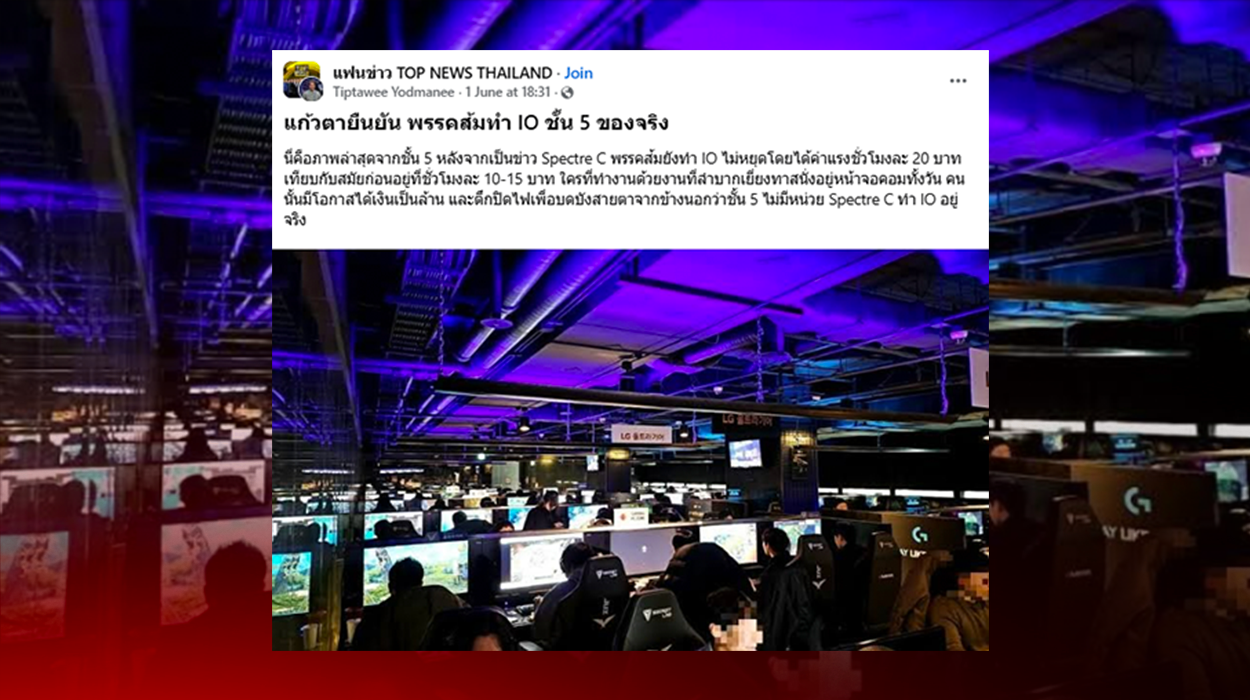
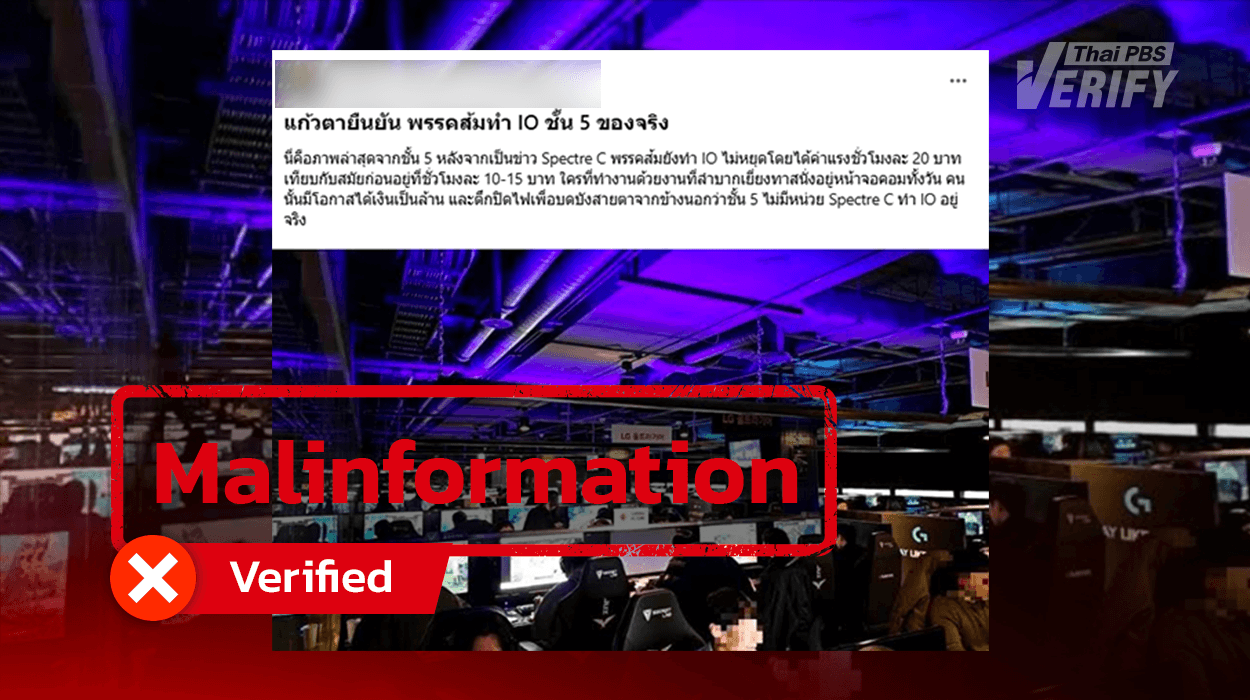
An image of individuals at work was circulated by a Facebook user with the claim, ‘Kaewta confirms ‘Orange Party [pejorative nickname of the People’s Party] is operating IO.’
Thai PBS Verify discovered a Facebook account sharing a photo of a large group of people, accompanied by the following caption:
“Kaewta [Tisana Choonhavan – former MP] confirms the ‘Orange Party’ [pejorative nickname of the People’s Party] 5th-floor IO operation is entirely real. This is the latest picture of the floor after the Spectre C scandal hit. The Orange Party is still running IOs, now paying 20 baht an hour, up from the former rates of 10–15 baht. Working this slave-like job, staring at screens all day, gives people a chance to make millions. They even turned off the building lights to mask the operation and make it look like the 5th floor is empty from the outside”
Published on June 1, 2026, the post has garnered 1,100 reactions, 415 comments, and has been shared over 28 times.
The photo in question is real, but decontextualized
Thai PBS Verify analyzed the image with Hive Moderation and DeepAI tools, and found that the photo was not AI-generated.
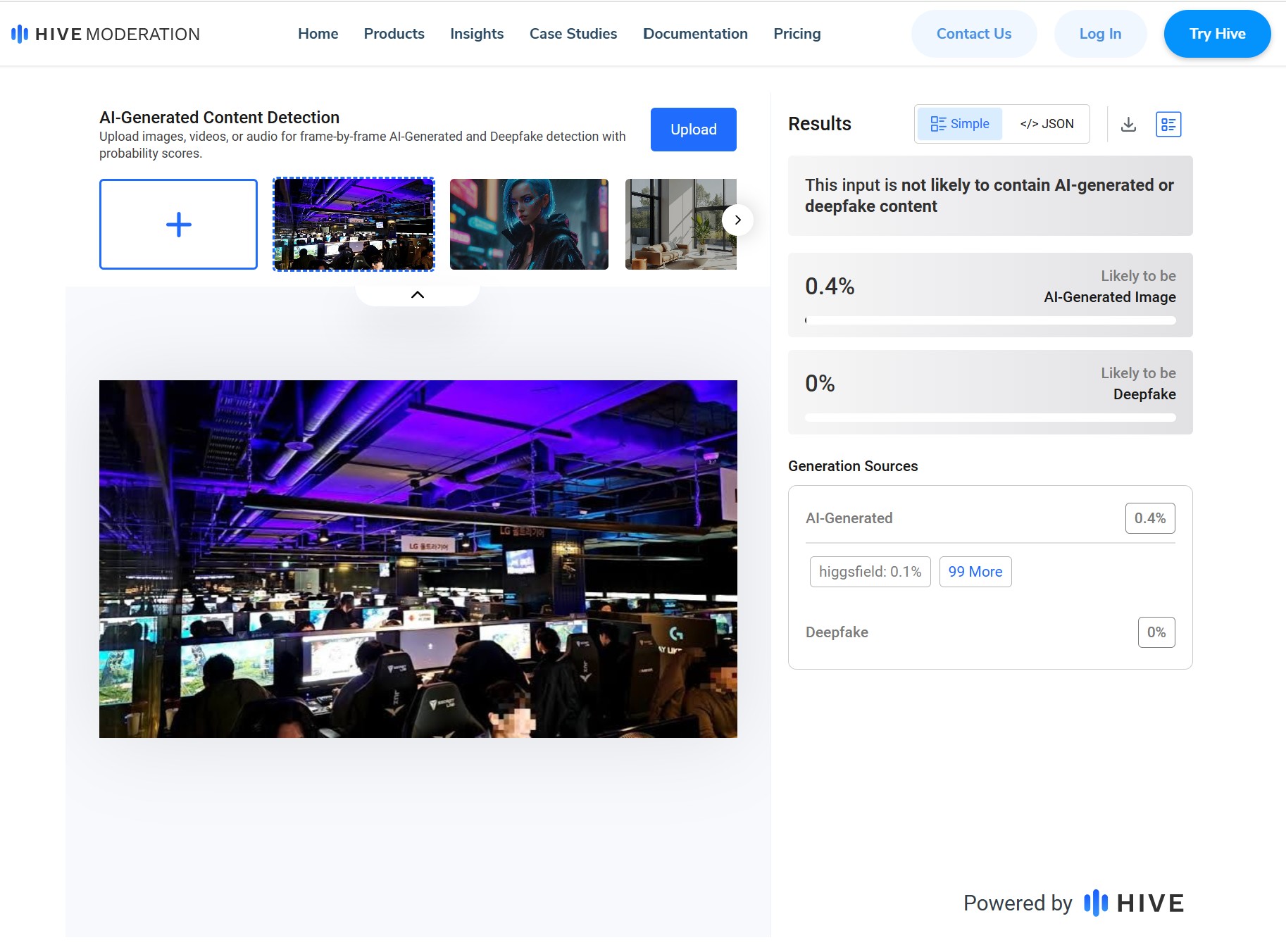
Verification image from Hive Moderation
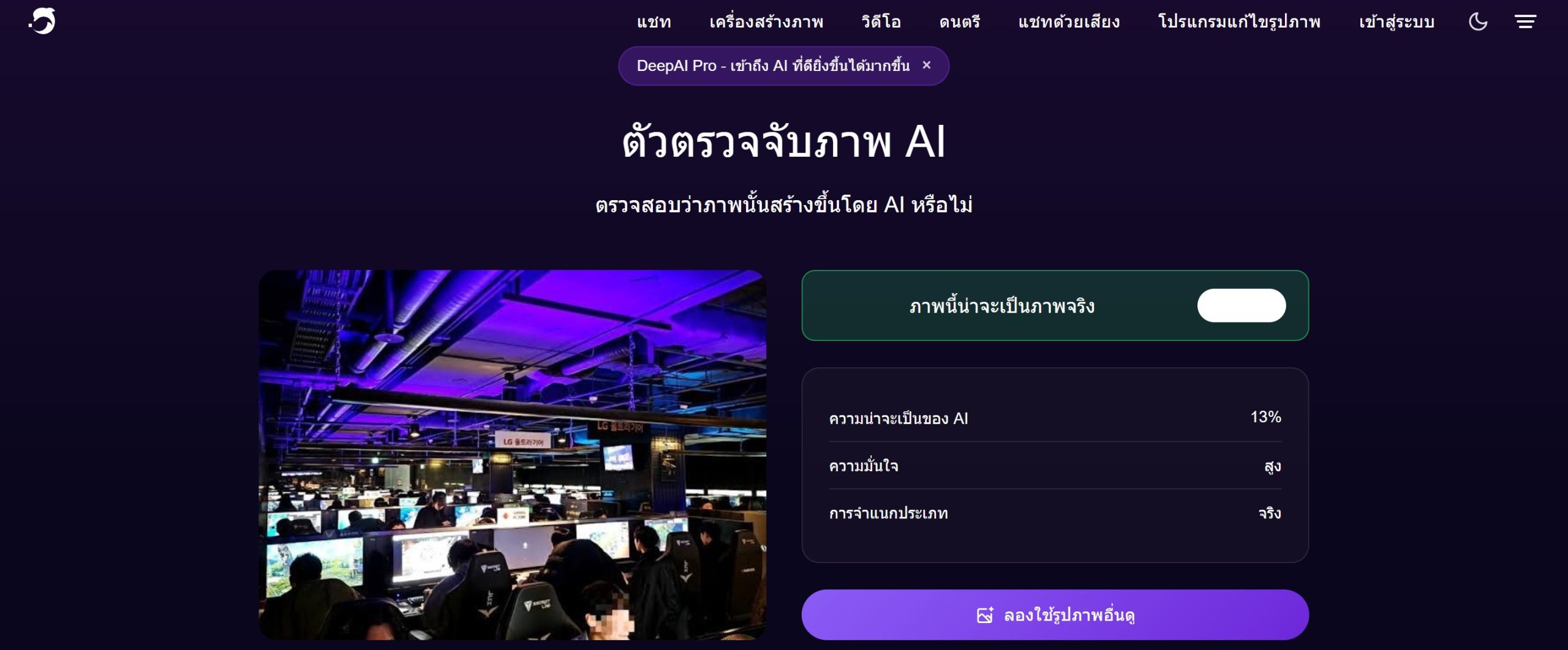
Verification image from Hive Moderation
Subsequently, a reverse image search via Google Lens revealed that the photo matches a news article from the plus.hankyung website.
The headline could be translated thanks to Google Translate as: ‘“I don’t want to eat with my boss”… Workers aged 20-30 gather here.’ The post was published on May 23, 2023, with further details outlined below:
“South Korea is witnessing a significant revival in its PC bangs, marked by a 30% year-on-year increase in new setups and the lowest rate of business closures in more than 15 years. This phenomenon underscores evolving consumer preferences during an economic crunch, where patrons prioritize high-value options providing a seamless blend of food and entertainment. This upward trajectory is also heavily reinforced by the eSports boom, specifically the enduring influence of League of Legends, which has elevated the industry’s public perception. However, experts warn that this rapid expansion might trigger intense competition, raising the risk of future closures. New entrepreneurs could also face hurdles due to high upfront costs and regulatory factors, making a cautious approach essential before investing.”
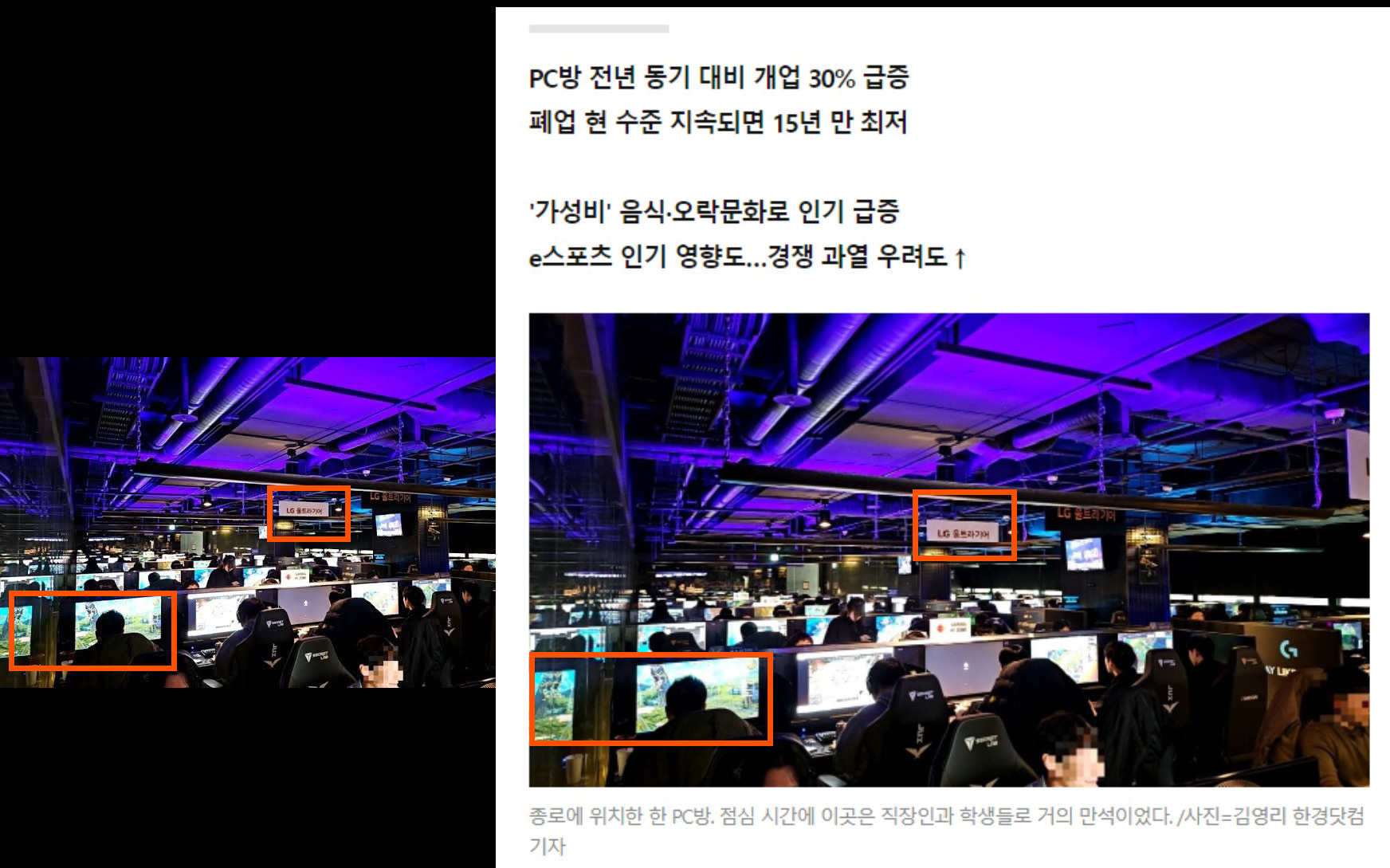
A comparison of the photo alleging a People’s Party IO setup (left) and the PC bang image sourced from the South Korean website (right).
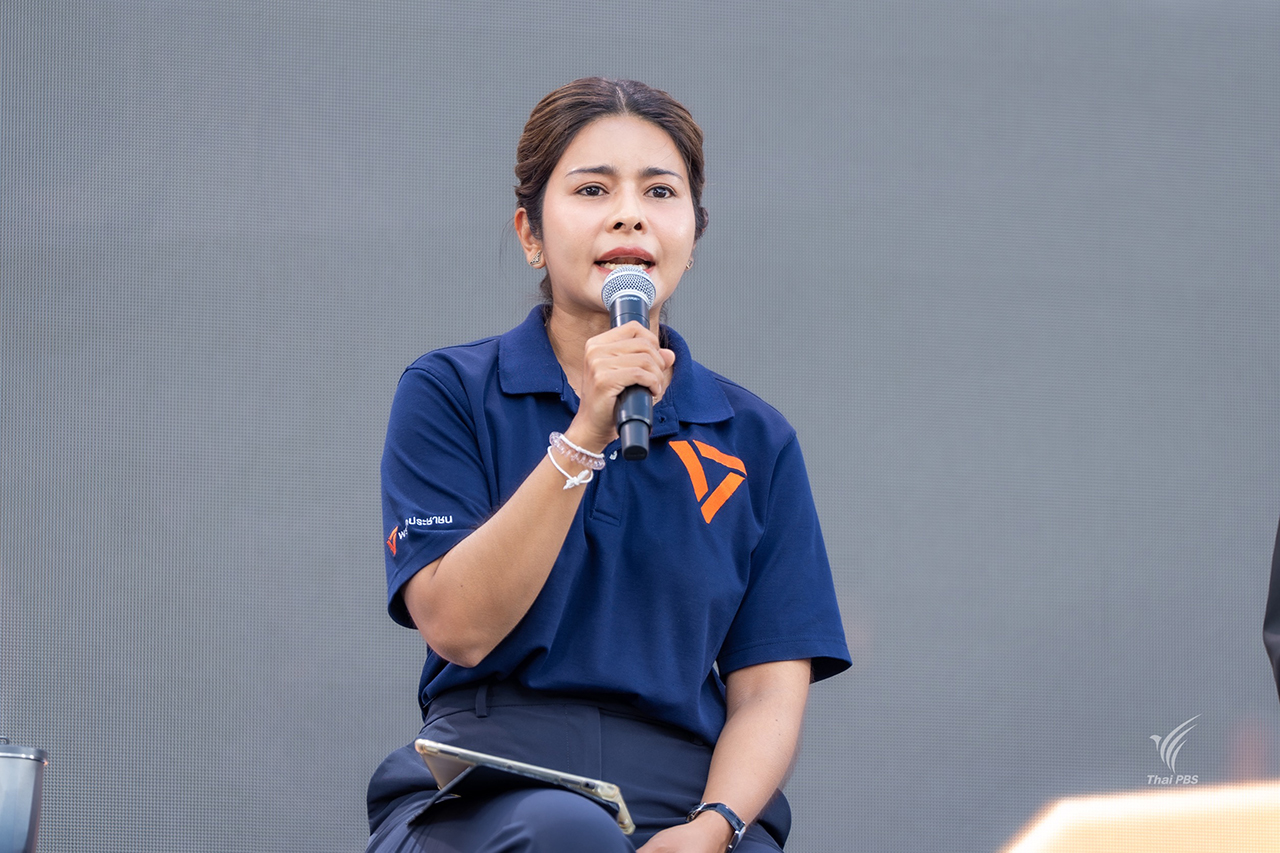
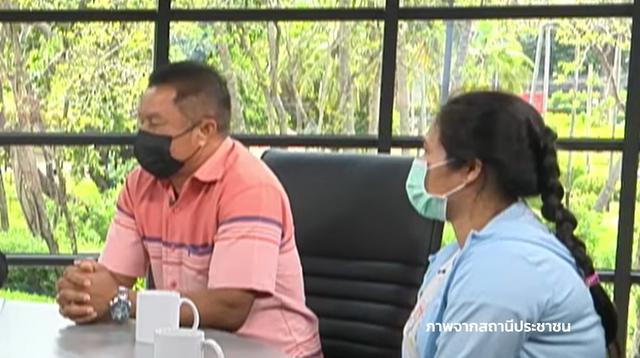
Ms. Pakamon Noon-anan, Member of Parliament and Spokesperson of the People’s Party
Thai PBS Verify contacted Ms. Pakamon Noon-anan, a party-list MP and spokesperson for the People’s Party. She stated that:
“The photo does not show the premises of the People’s Party. When compared to the areas that the party once invited journalists to tour, it is clear that the two locations look completely different. It was also confirmed that the 4th floor of the building continues to serve normally as the workspace for the party’s public relations team.”
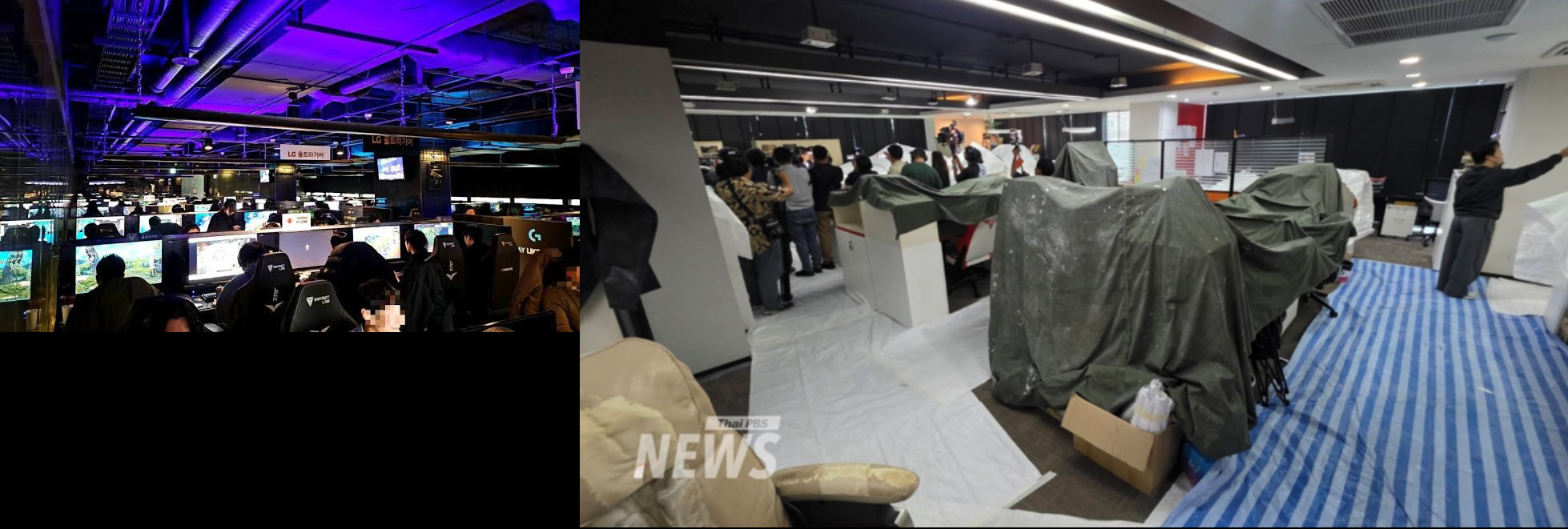
Another comparison between the photo alleging a People’s Party IO operation (left) and the image provided by Thai PBS (right).
What is the origin of IO allegations against the People’s Party?
The story started on February 13, 2026, with a Facebook post claiming Ms. Tisana “Kaewta” Choonhavan stated in an interview that she was targeted by systematic information operations linked to the People’s Party. The post tied this to Spectre C Co., Ltd., a full-service digital agency responsible for web development, content creation, data analysis, and social media monitoring. It further questioned the close ties between the people involved and the company’s location.
However, the claims in the post are strictly interpretations that raise questions about ‘information operations’ dynamics and the establishment of informational echo chambers in urban spaces. The topic calls for further scrutiny, given its potential to amplify existing political tensions in society.
The People’s Party later issued a clarification responding to Ms. Tisana Choonhavan’s IO allegations. Mr. Parit Wacharasindhu of the People’s Party maintained that the party has never engaged any company for information operations, explaining that Spectre C was merely hired for standard media production like graphics and videos. He pointed out that all party spending is fully accountable to the Election Commission of Thailand and reiterated that the party has no disinformation units. To demonstrate transparency, he guided reporters to tour the building’s 3rd and 4th floors—currently used by the registration and legal teams—letting the public decide on the validity of the claims.
Ms. Tisana, a former Bangkok MP for the People’s Party, revealed on June 1, 2026, the reason behind her critical post. She stated that she had observed numerous fake or anonymous accounts swarming to attack her and anyone expressing dissenting political opinions. According to her, this behavior targets many people, such as activists showing political stances. She also pointed out a suspicious trend: these accounts frequently share and support the People’s Party’s content.
Additionally, she asserted that discussions about employing these types of accounts for information operations took place during her tenure with the party. She conceded, however, that verification remains a hurdle because tools like VPNs prevent the tracking of their source. According to her, this activity escalated significantly during the election cycle. She concluded that while IO tactics are ubiquitous in the political arena, the current volume is disproportionate and poses a direct threat to the freedom of expression of general citizens.
This development has put the People’s Party IO issue back on the agenda. By recycling old or unrelated photographs alongside the claims, these posts aim to incite deeper personal resentment and hatred against those targeted.
What is the truth?
A fact-check by Thai PBS Verify reveals that the post alleging a People’s Party IO setup is false. The photo does not represent any party facility but belongs to a 2023 news story about a South Korean PC bang, which was recycled out of context for domestic political purposes. While the image is genuine and free of AI manipulation, performing a reverse image search clearly exposed its true origin.
As the People’s Party confirms it does not engage in IO activities and that the alleged venue is false, this situation represents a clear case of misleading the public by using genuine images out of context. This tactic not only misinforms the citizenry but also threatens to spark social friction.
Verification Process
- AI image analysis: Thai PBS Verify ran the photo through AI detection platforms, such as Hive Moderation and DeepAI; the results indicate that the image is not AI-generated.
- Google Lens verification: Subsequently, a reverse image search using Google Lens revealed that the photo matches a news article on the plus.hankyung website. When translated via Google Translate, the headline reads: ‘“I don’t want to eat with my boss”… People aged 20-30 flock to gather here,’ which was originally published on May 23, 2023.
- Verification via primary sources: Thai PBS Verify reached out to Ms. Pakamon Noon-anan, the spokesperson for the People’s Party. She revealed that the image is not from the People’s Party premises, adding that a comparison with the space previously opened to the media shows no similarities between the two locations. Furthermore, she confirmed that the 5th floor remains the standard operating area for their public relations department.
Potential impacts of malinformation
- Distorting public understanding: It misleads people into believing that IO tactics are being deployed, even though the evidence relies on old or unrelated photos. This directly impacts the public’s perception of political reality.
- Compromising credibility of figures and entities: It tarnishes the reputation of the political parties or individuals mentioned, leaving them open to speculation that lacks any factual or credible support
- Lowering the quality of public debate: When the initial information is flawed, subsequent discussions and criticisms become distorted, forcing society to debate on a foundation of untruths.
- Eroding trust in media and information: If the public frequently encounters misinformation, it may diminish their trust in both real and fake news over the long term.
- Creating social division: This type of information is often widely shared, fueling conflicts between different political viewpoints.
- Opening the door to online attacks and harassment: Misinformed individuals can easily become targets of cyberbullying or online “mobs.”
What to do with this misinformation?
- Pause before sharing: Take a moment to think before sharing content, especially posts that trigger strong emotions such as anger, shock, or political bias.
- Verify the source: Check whether the information comes from mainstream media, official agencies, or verified accounts. If the page or profile lacks clarity, exercise extra caution.
- Compare across multiple outlets: Run a search for the story across several news organizations to evaluate if the facts match up consistently.
- Check images and videos: Run a reverse image search to see if the picture or video is old or used in the wrong context.
- Evaluate publication dates and context: Information can often consist of historical news or foreign incidents that have been repurposed out of context to misinform readers.
- Be wary of leading messages and exaggerations: Headlines that are overly dramatic or jump straight to conclusions are often signs of misleading content.