Thai PBS Joins Forces with the Safe and Creative Media Development Fund and CIB to Launch “Thai PBS Verify Youth Camp 2026,” Empowering Youth to Become Future Fact-Checkers and Fight Scam Threats
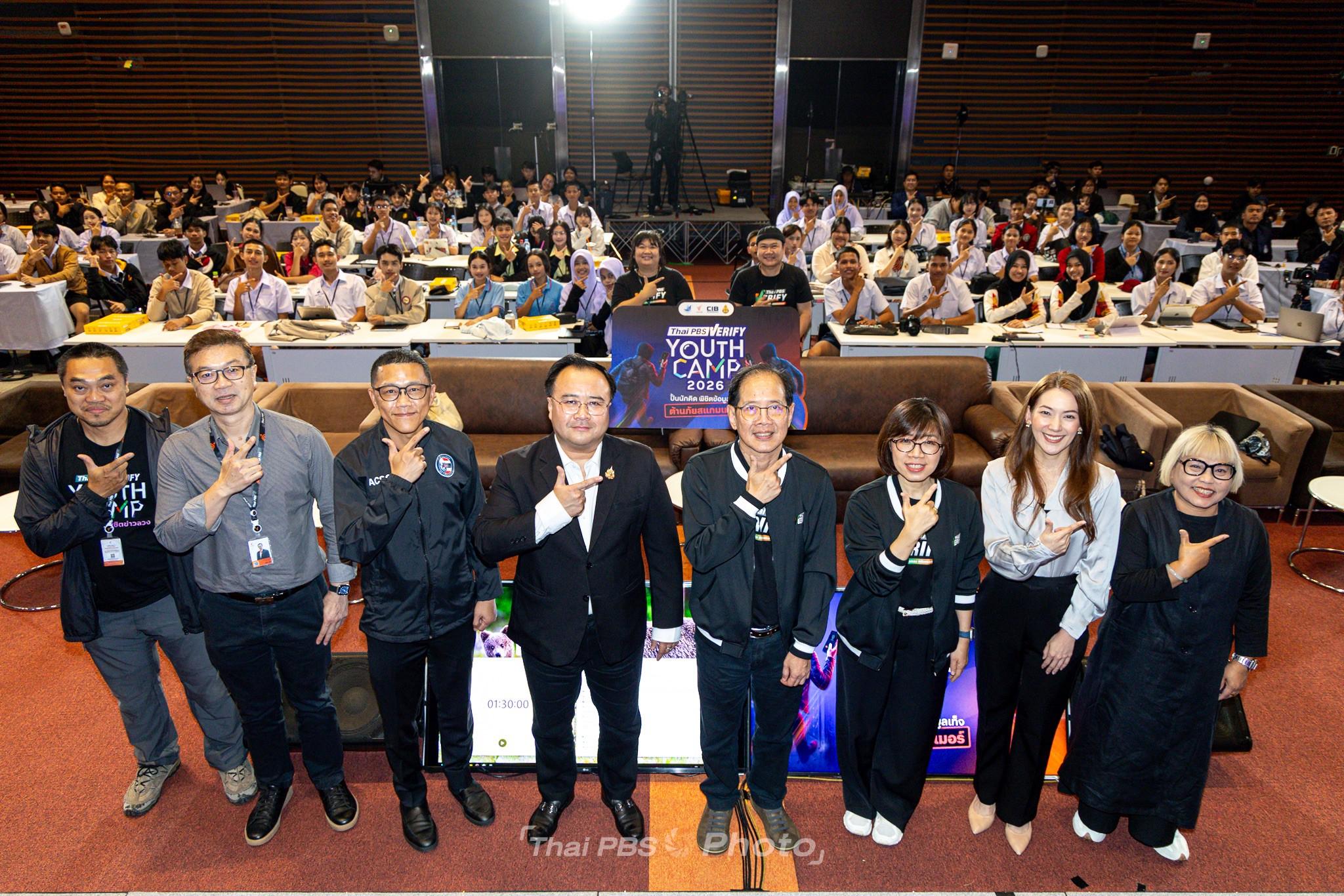
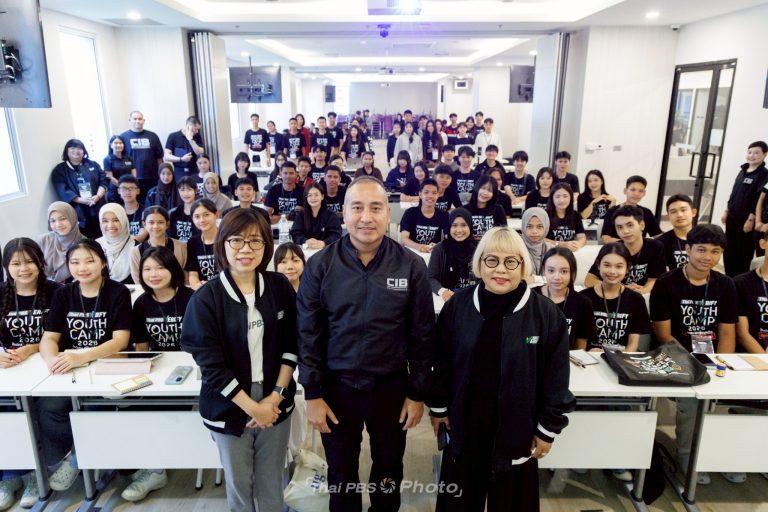
องค์การกระจายเสียงและแพร่ภาพสาธารณะแห่งประเทศไทย (ส.ส.ท.) หรือไทยพีบีเอส โดย Thai PBS Verify ร่วมกับ กองทุนพัฒนาสื่อปลอดภัยและสร้างสรรค์ และกองบัญชาการตำรวจสอบสวนกลาง (CIB) จัดพิธีเปิดโครงการ Thai PBS Verify Youth Camp 2026 : ปั้นนักคิด พิชิตข้อมูลเท็จ ต้านภัยสแกมเมอร์ อย่างเป็นทางการ
The Thai Public Broadcasting Service (Thai PBS), through Thai PBS Verify, in collaboration with the Safe and Creative Media Development Fund and the Central Investigation Bureau (CIB), officially launched the Thai PBS Verify Youth Camp 2026: Empowering Young Thinkers to Combat Misinformation and Scam Threats.
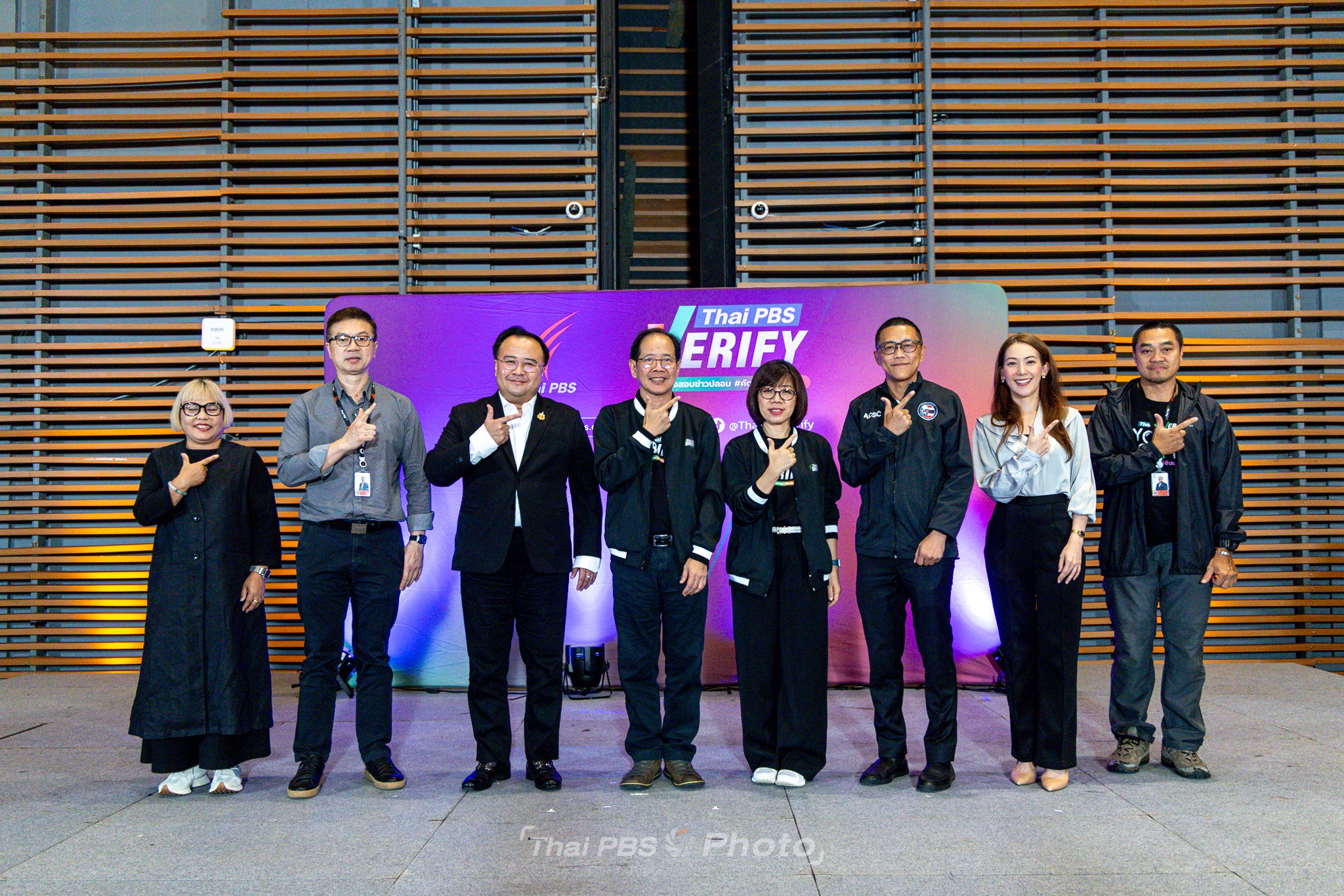
The Thai Public Broadcasting Service (Thai PBS), through Thai PBS Verify, in collaboration with the Safe and Creative Media Development Fund and the Central Investigation Bureau (CIB), officially launched the Thai PBS Verify Youth Camp 2026: Empowering Young Thinkers to Combat Misinformation and Scam Threats.
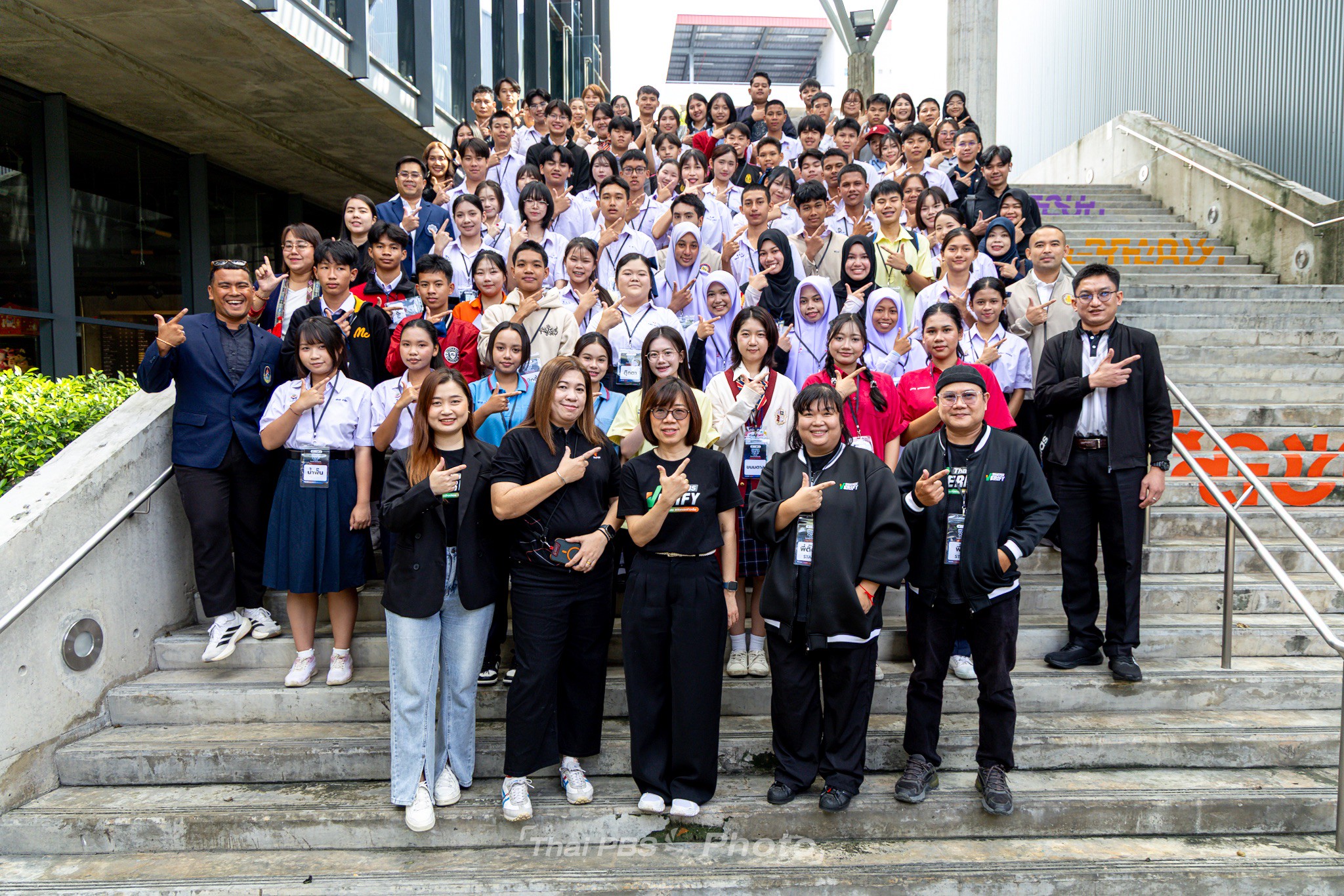
The program brings together 32 teams of upper secondary school students from across Thailand, selected from more than 123 applicant teams, to develop their skills in Media Literacy, Fact-checking, scam awareness, and responsible, creative content production.
The intensive 5-day, 4-night camp takes place from 30 June to 4 July 2026.
Opening Ceremony & Spark Talks: Inspiring the Next Generation of Fact-Checkers
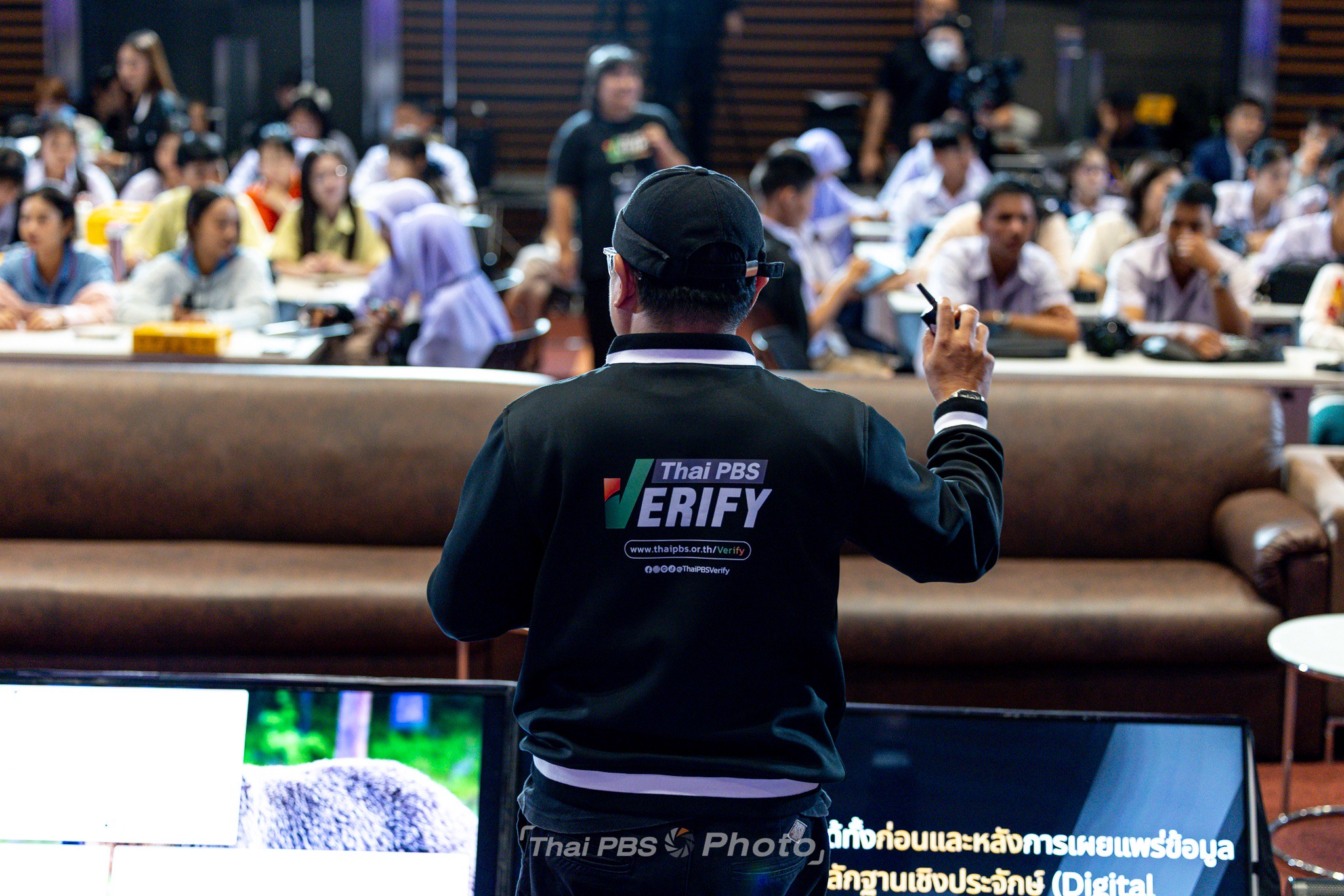
The official opening ceremony, held on the afternoon of 1 July 2026, was presided over by Wanchai Tantivitayapitak, Director-General of the Thai Public Broadcasting Service (Thai PBS), who officially inaugurated the program and welcomed participants at the Convention Hall, 2nd Floor, Building D, Thai PBS Headquarters.
The event reaffirmed Thai PBS’s role as a public broadcaster committed to fostering digitally literate citizens equipped with the critical thinking, analytical, and fact-checking skills needed to verify information before sharing or publishing it to the public.
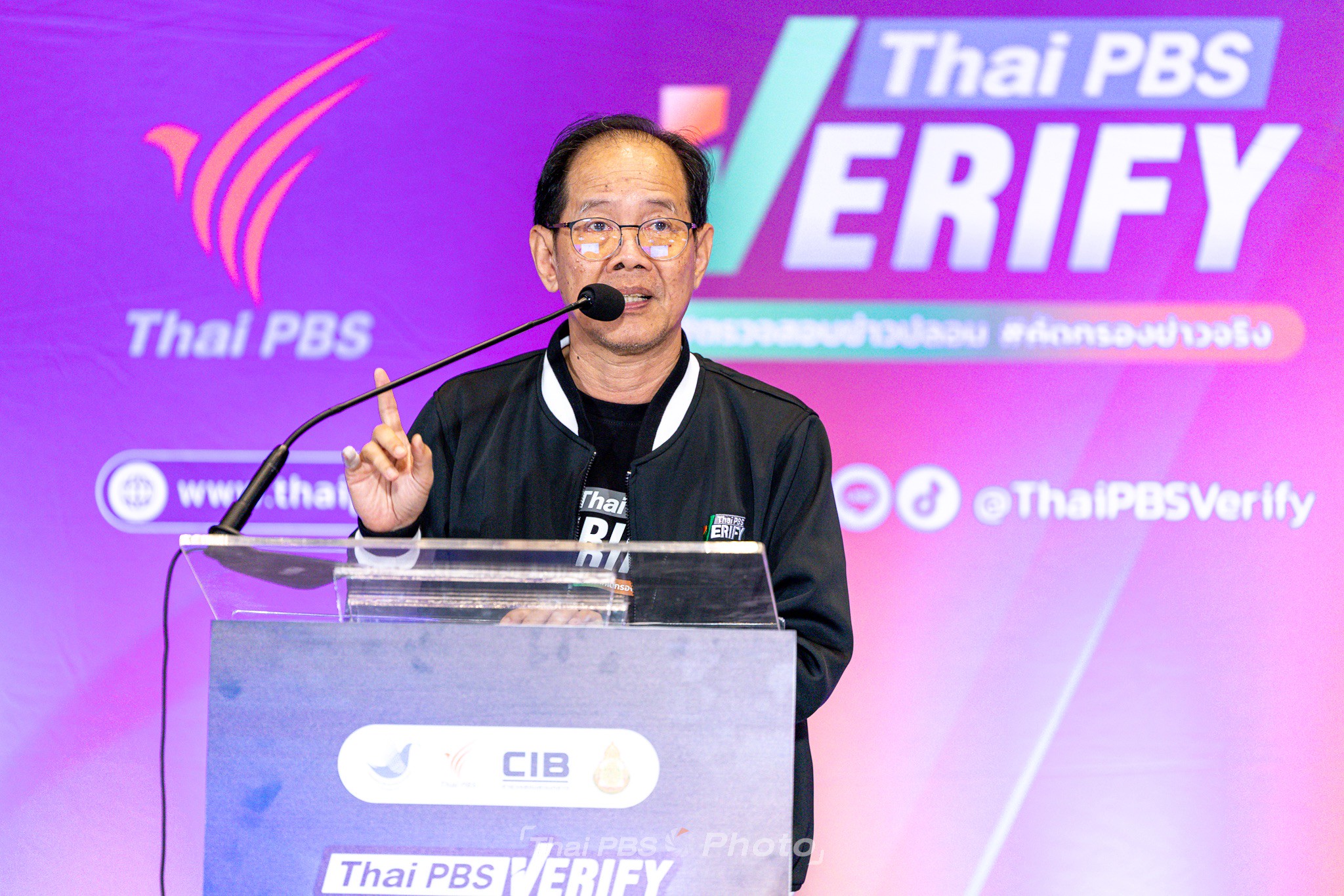
“In Thai society, we are often taught to obey, but obedience and belief are not the same. Asking the right questions is the starting point for discovering the truth.” — Wanchai Tantivitayapitak, Director-General of Thai PBS
Mr. Wanchai further remarked:
“Today, we have countless channels through which we receive information and news. What is even more challenging, however, is distinguishing between facts and misleading information. In Thai society, we are often taught to obey, but listening and believing are two very different things.
Building intellectual resilience among young people is therefore a vital mission for society and one that Thai PBS, as a public broadcaster, has always prioritized. We want to encourage the younger generation to think critically, ask questions, and avoid accepting information simply because it has been widely shared or repeated by many people.
A good question leads to the search for the right answer, and that is where fact-checking begins. These skills will enable people to navigate the overwhelming amount of information in today’s digital world with discernment and critical judgment.”
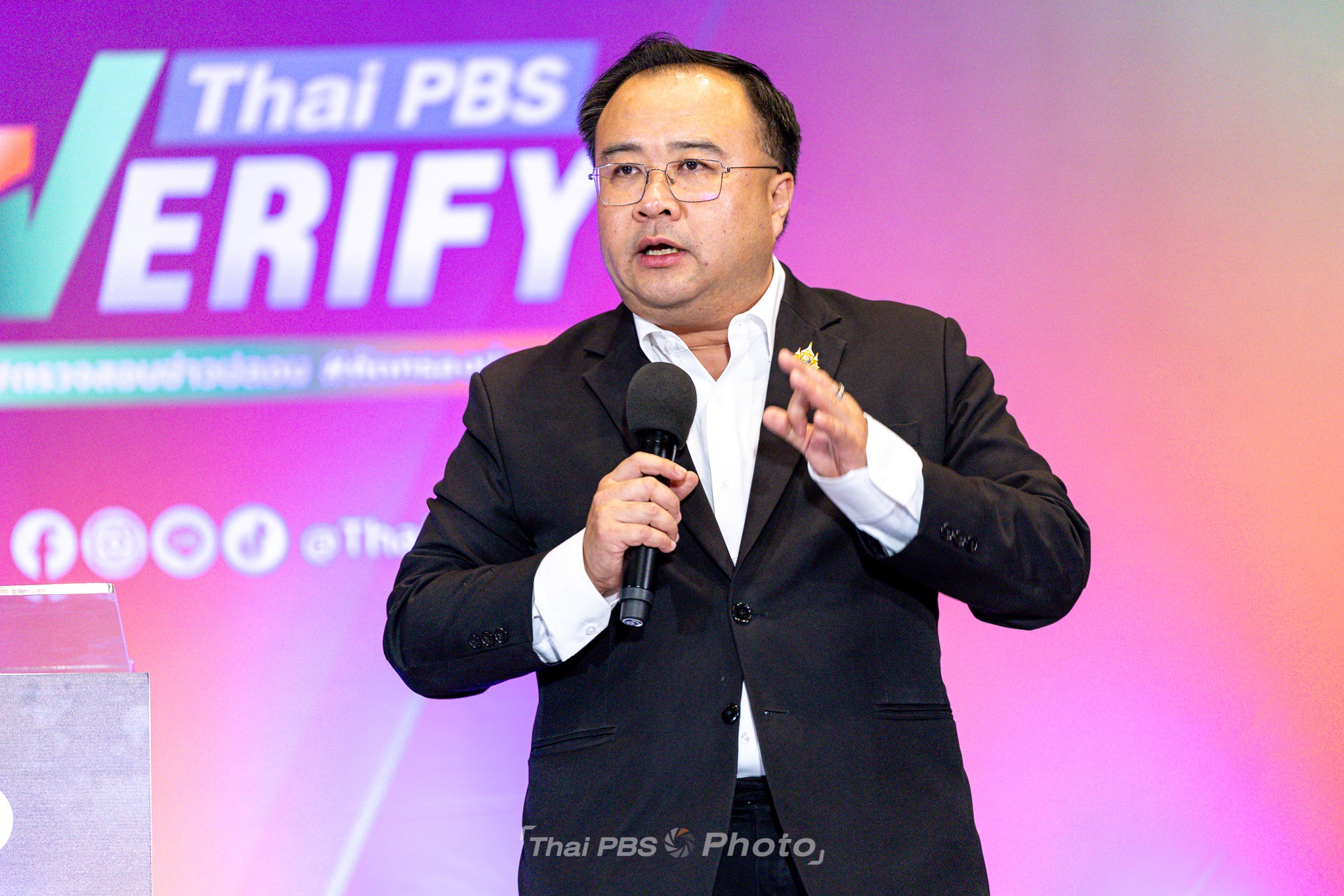
“Fact-checking is at the heart of building a safe media ecosystem and serves as a key mechanism for fostering a society guided by reason and informed awareness.”
— Dr. Chamnan Ngammaniudom, Deputy Manager of the Safe and Creative Media Development Fund
The program continued with a keynote address, “The Importance of Fact-Checking in Safe and Creative Media,” delivered by Dr. Chamnan Ngammaniudom, Deputy Manager of the Safe and Creative Media Development Fund.
Dr. Chamnan emphasized that:
“Fact-checking is a vital mechanism for building a safe and creative media ecosystem, especially at a time when rapid technological advancements have made misinformation easier to spread and more capable of causing widespread societal harm.
I encourage all participating students to make the most of this camp by learning and developing practical fact-checking skills. These skills will help them grow into a new generation that contributes to a society grounded in facts, reason, and evidence.
The Safe and Creative Media Development Fund and Thai PBS are committed to working together as partners to promote fact-checking as a cornerstone of a society that is informed, discerning, and guided by reason in both receiving and sharing information.”
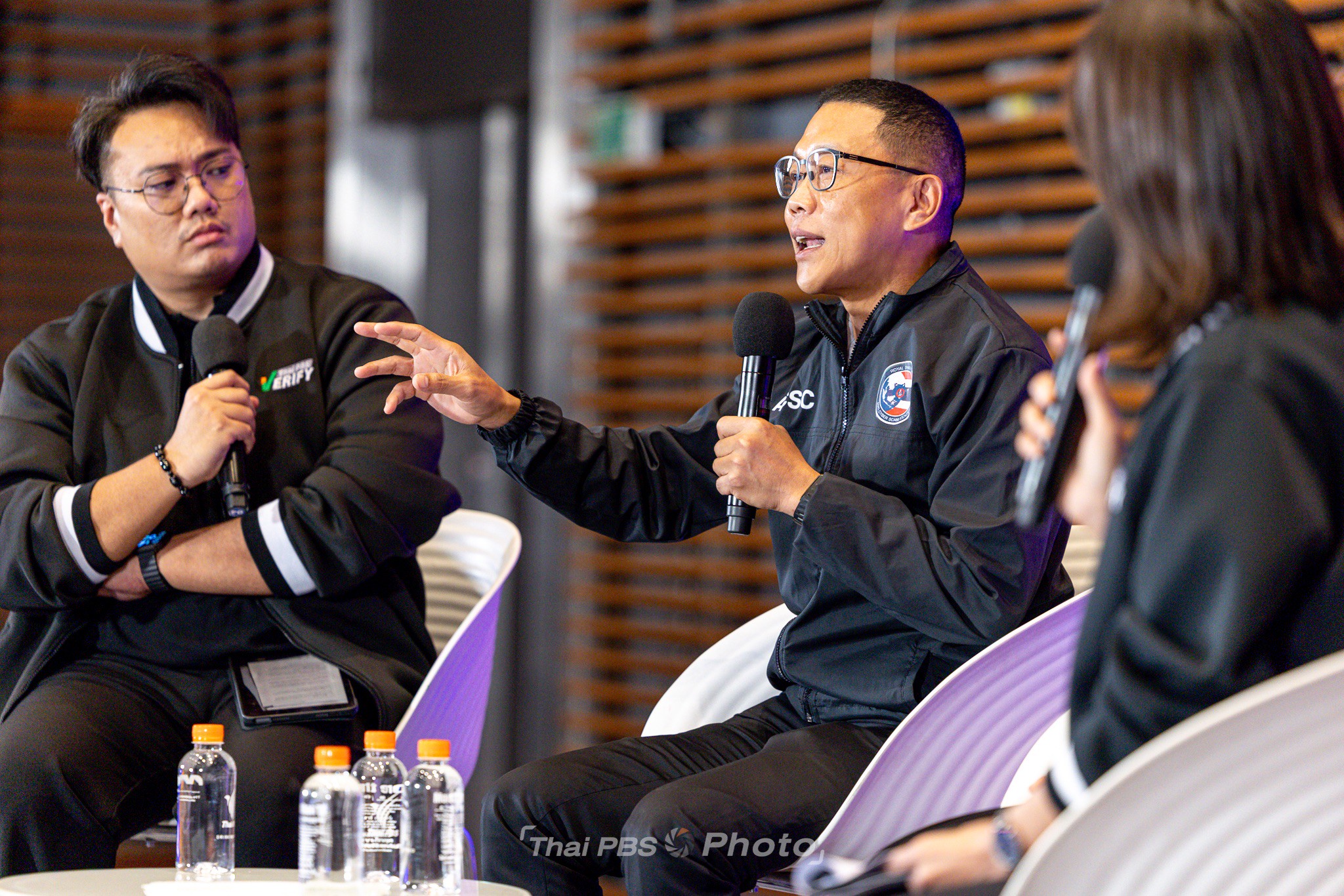
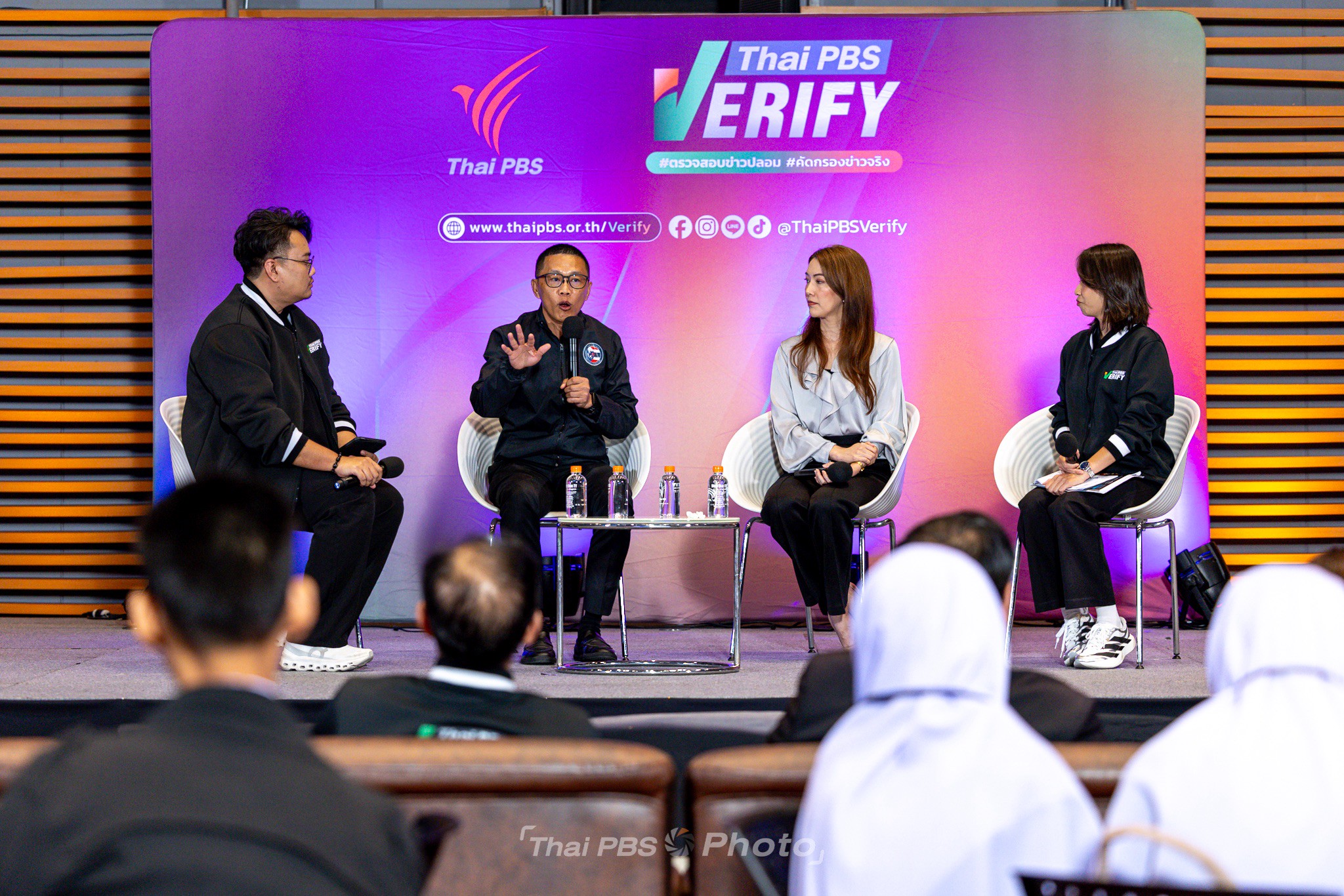
The event also featured a Spark Forum titled “Why Are People So Easily Misled by False Information—and How Can We Build Intellectual Resilience?”, presented by Police Colonel Neti Wongkulab, Deputy Commander of the Technology Crime Suppression Division, Central Investigation Bureau (CIB).
Drawing on his experience in combating cybercrime, Pol. Col. Neti highlighted that people of all ages can become victims of online scams if they lack media and digital literacy. He explained that modern scammers rely not only on technology but also on psychological manipulation and trust-building tactics to deceive their victims.
Among the most common scam methods today, he noted, are impersonation phone calls, fraudulent SMS messages containing malicious links, and the use of fake social media accounts and counterfeit websites designed to appear credible.
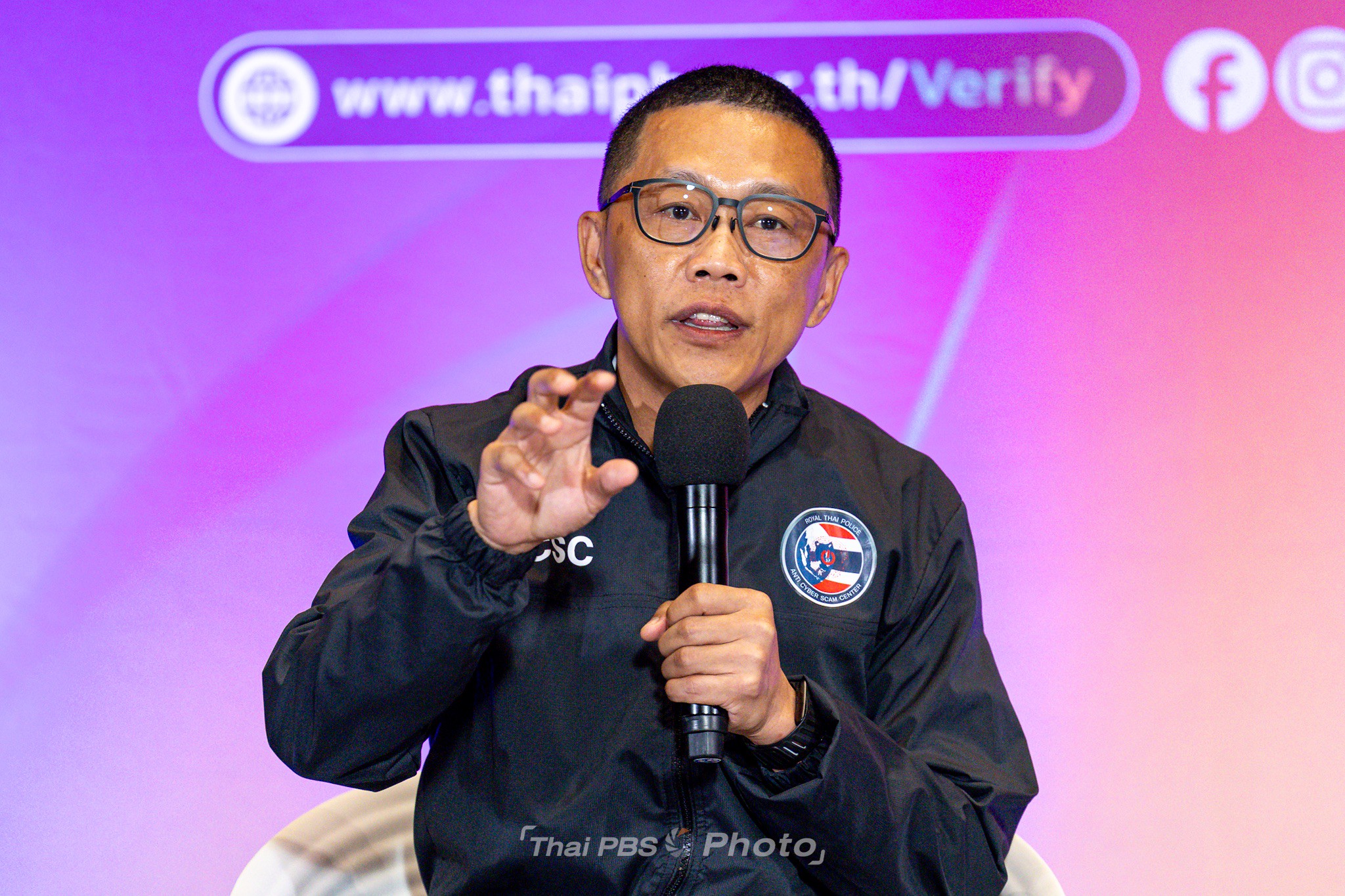
“Today’s scammers do not rely on technology alone—they exploit psychology and build trust to deceive their victims. Without the knowledge and skills to recognize these tactics, people of all ages can become victims.”
— Police Colonel Neti Wongkulab, Deputy Commander of the Technology Crime Suppression Division, Central Investigation Bureau (CIB)

“The human brain is naturally inclined to believe information that triggers emotions or aligns with existing beliefs. Developing critical thinking is therefore the strongest form of intellectual resilience.”
— Asst. Prof. Dr. Jennifer Chawanowanich, Associate Dean, Faculty of Psychology, Chulalongkorn University
Asst. Prof. Dr. Jennifer Chawanowanich, Associate Dean of the Faculty of Psychology, Chulalongkorn University, explained how the brain and emotions influence the way people process information. She noted that individuals are naturally more likely to believe information that confirms their existing beliefs or evokes strong emotions than information evaluated through careful reasoning.
She encouraged participants to cultivate critical thinking, have the confidence to ask questions, and verify information systematically. These skills, she emphasized, are essential for building intellectual resilience and reducing the risk of falling victim to misinformation and online scams.
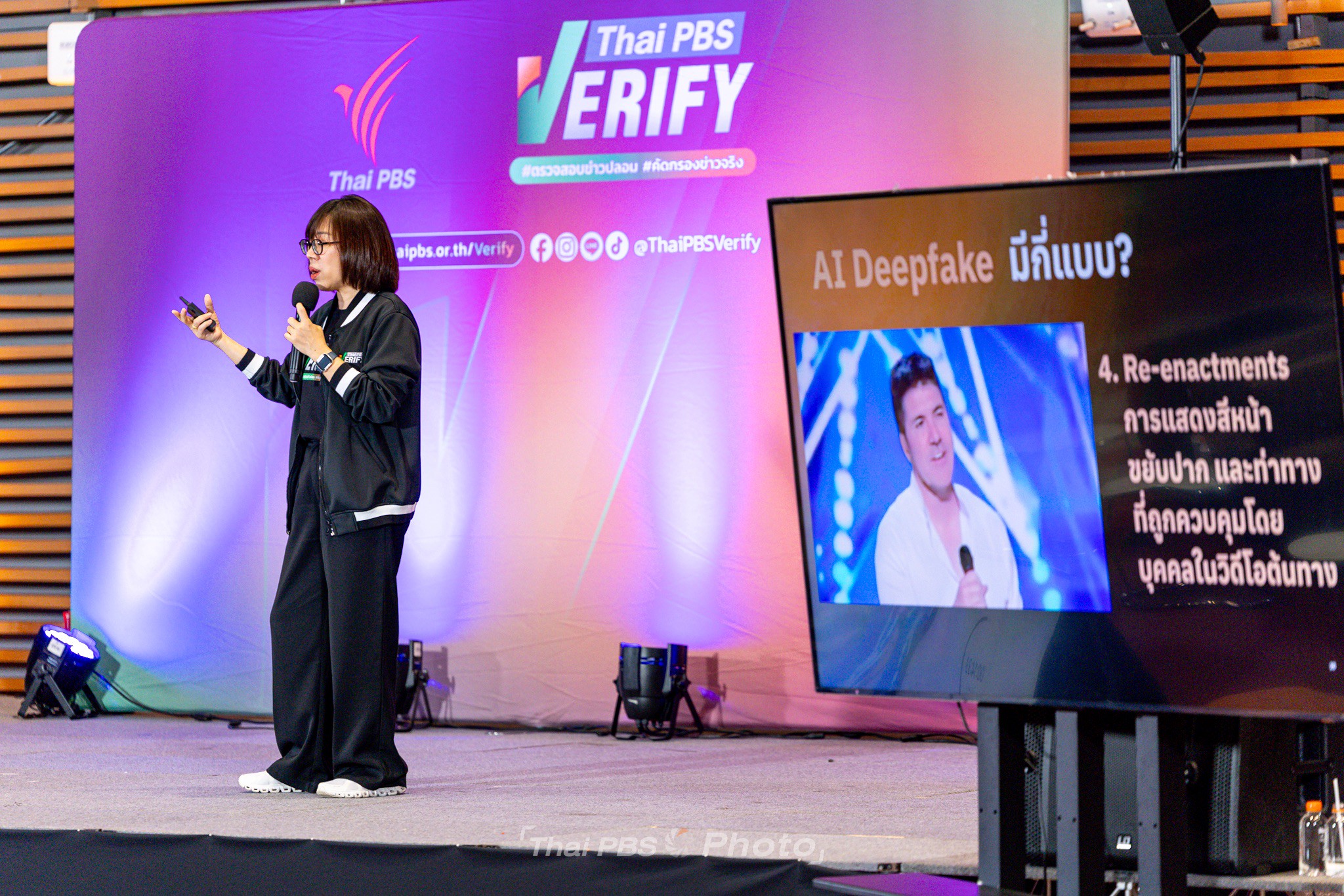
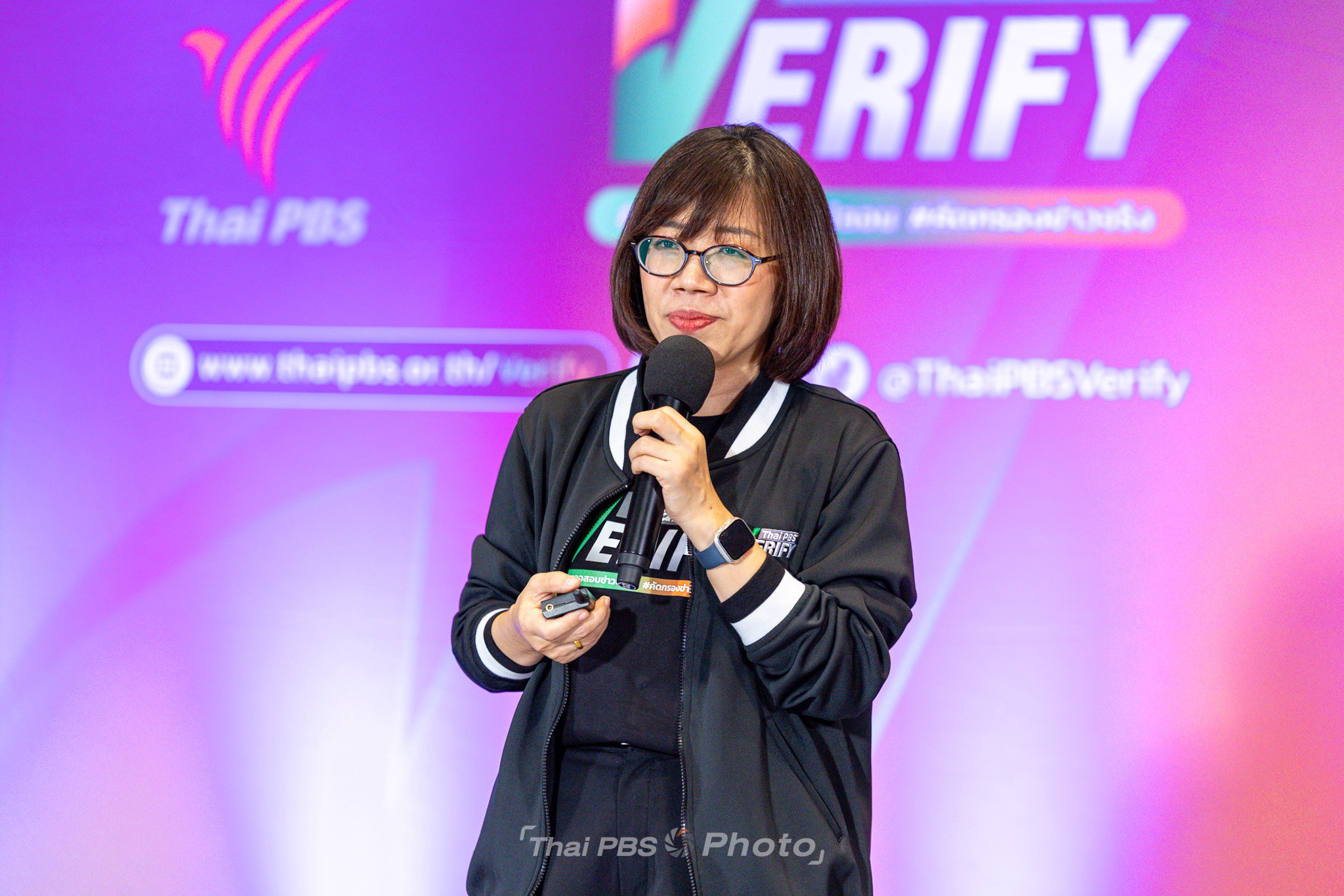
“In an era where AI can convincingly fabricate images and voices, fact-checking is the one skill that will help us survive in the digital world.”
— Kanokporn Prasitphon, Director of the Digital Media Department, Thai PBS
The program continued with a presentation by Kanokporn Prasitphon, Director of the Digital Media Department at Thai PBS, titled “Navigating the Misinformation Landscape: What You Need to Know to Survive the AI Era.”
Her session explored the impact of AI technologies capable of generating highly convincing fake text, images, audio, and videos. She emphasized that AI literacy and fact-checking skills are becoming essential competencies for the younger generation, enabling them to use technology as a tool for discovering the truth rather than spreading unverified information.
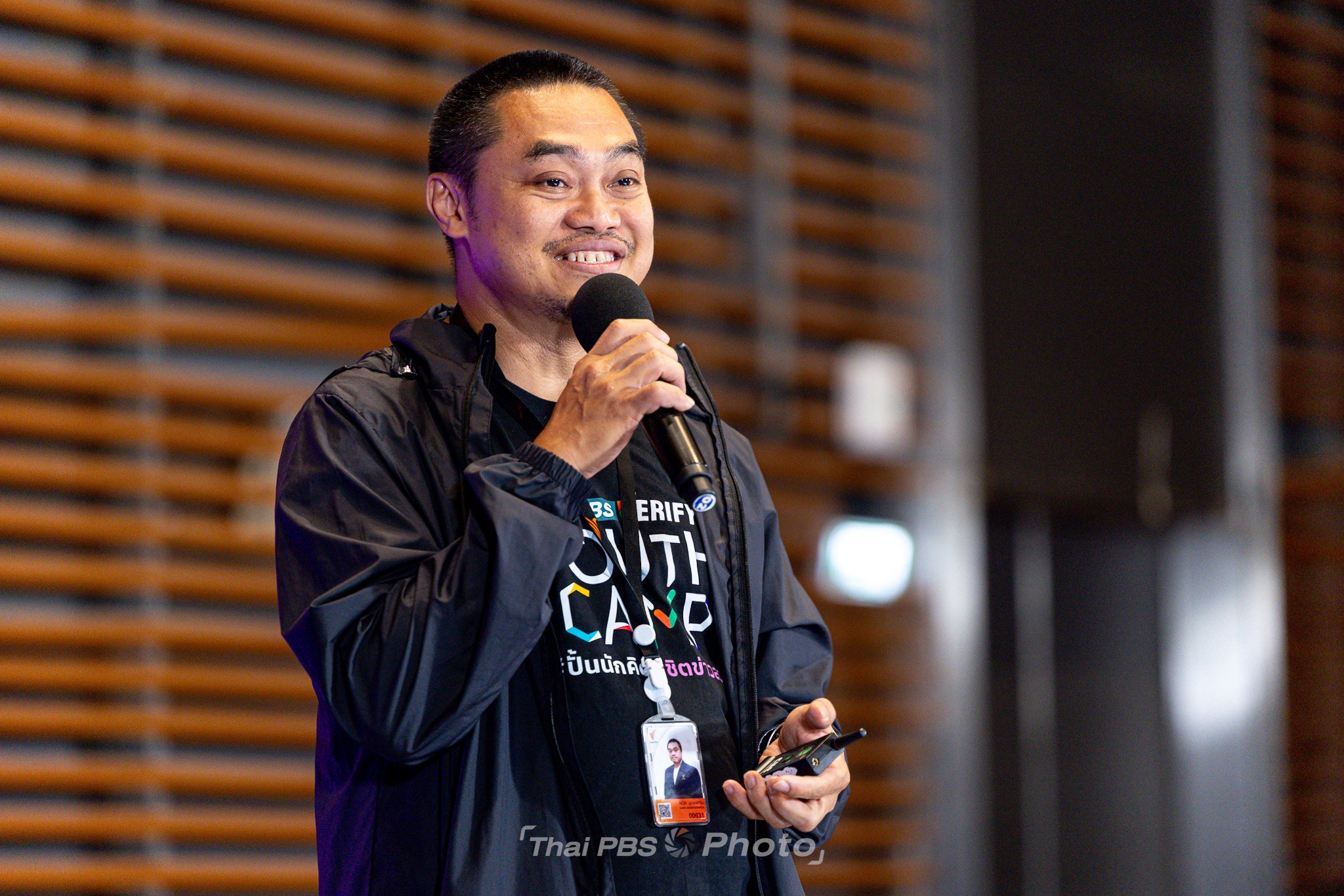
“The heart of journalism and fact-checking lies in asking questions, verifying information from multiple sources, and clearly distinguishing facts from opinions.”
— Khanit Bunyapanich, News Editor, Thai PBS
The program concluded with a session by Khanit Bunyapanich, News Editor at Thai PBS, titled “Investigative Journalism: Fact-Checking Techniques from the Newsroom.”
Drawing on his experience as a journalist, Khanit shared professional fact-checking practices, including asking the right questions, verifying information through multiple sources, and clearly distinguishing facts from opinions. He encouraged participants to apply these journalistic principles in their everyday lives to critically evaluate the information they encounter.
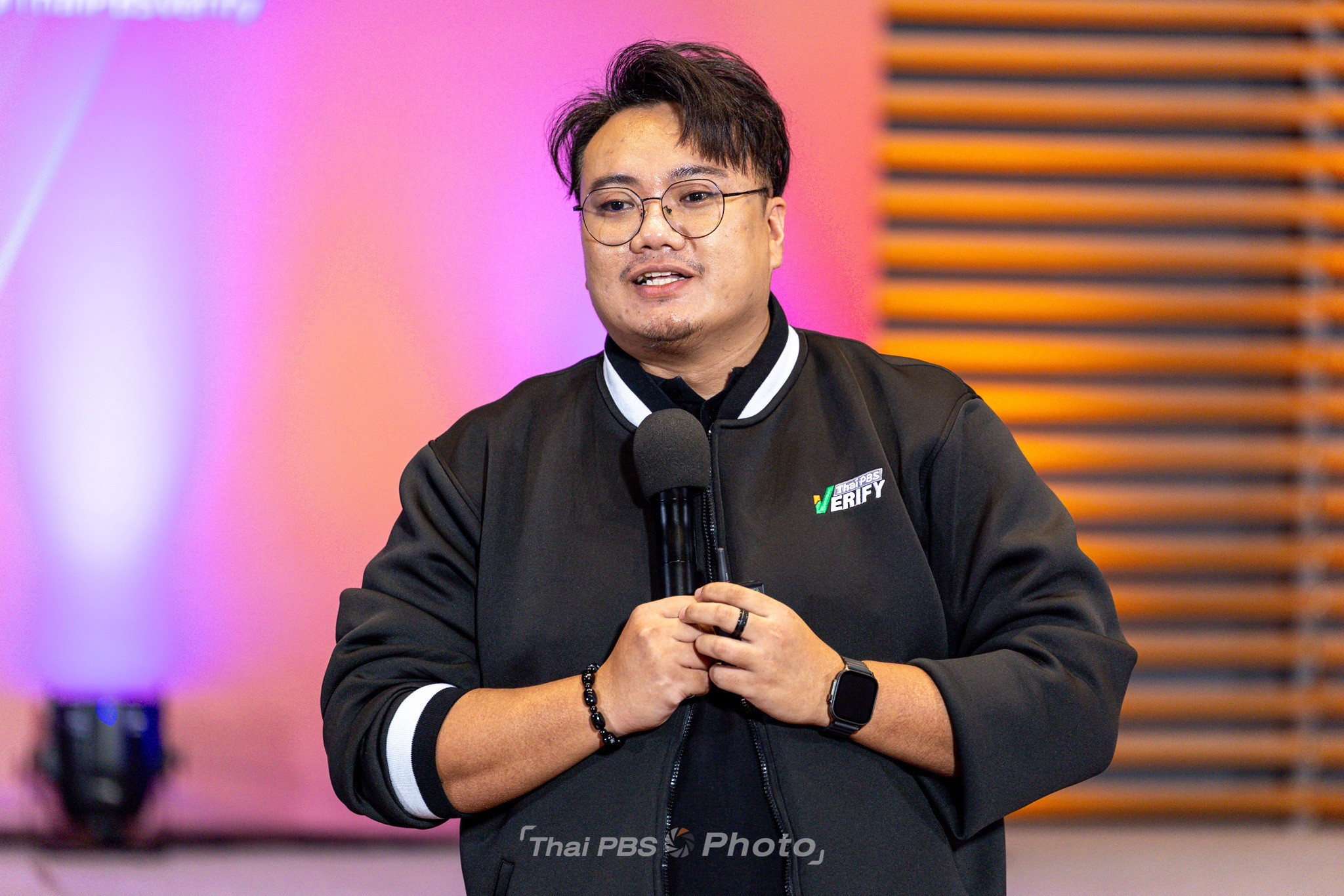
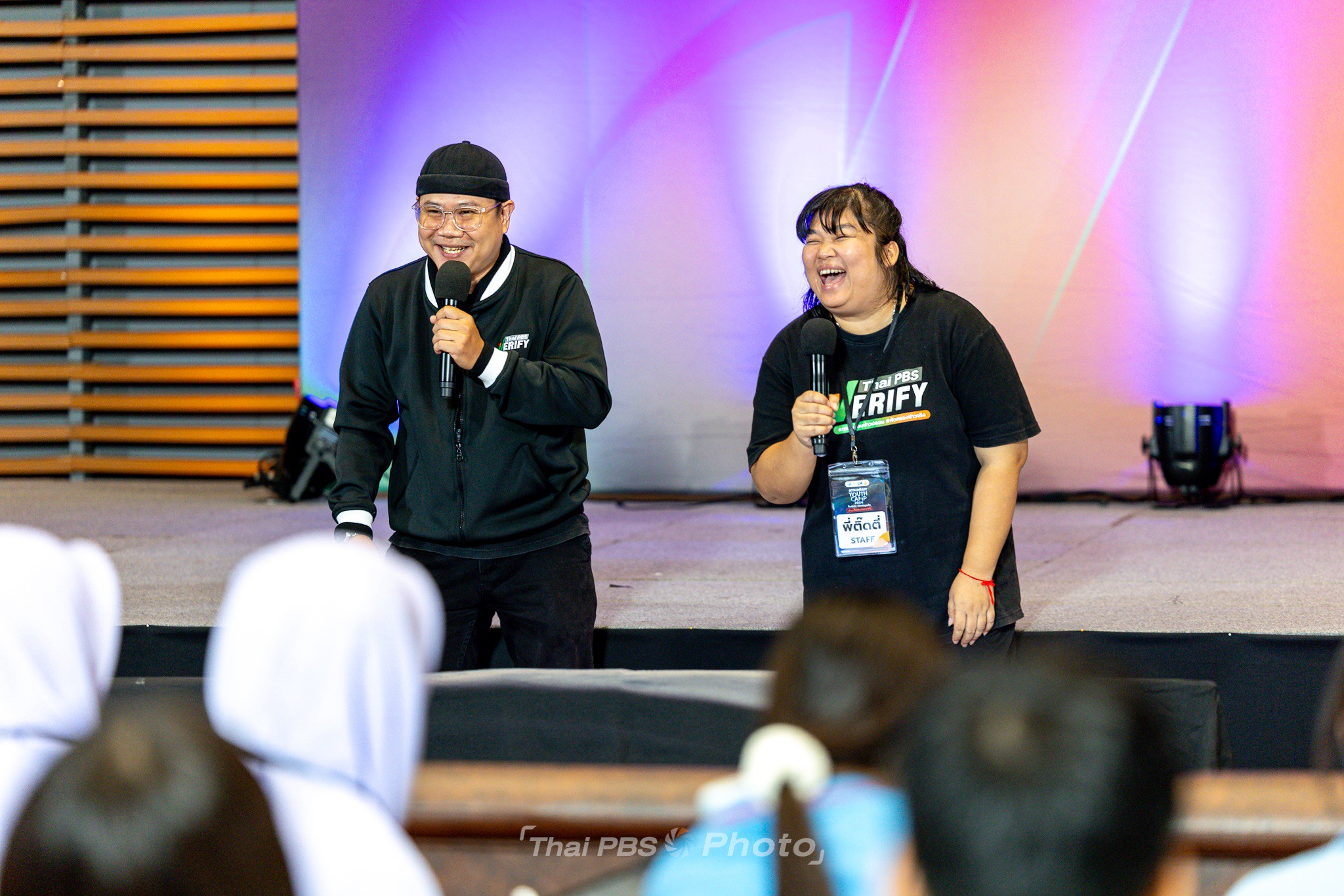
Sippakorn Srisarutwasana, host of Back To Basic on Thai PBS.
The training concluded with a session titled “Professional Storytelling and Video Production Techniques”, led by Sippakorn Srisarutwasana, host of Back To Basic on Thai PBS.
During the session, he shared practical techniques for storytelling, structuring compelling video content, using visuals and information accurately, and communicating fact-checking topics in an engaging and easy-to-understand way, while ensuring the content is well suited for publication across digital platforms.
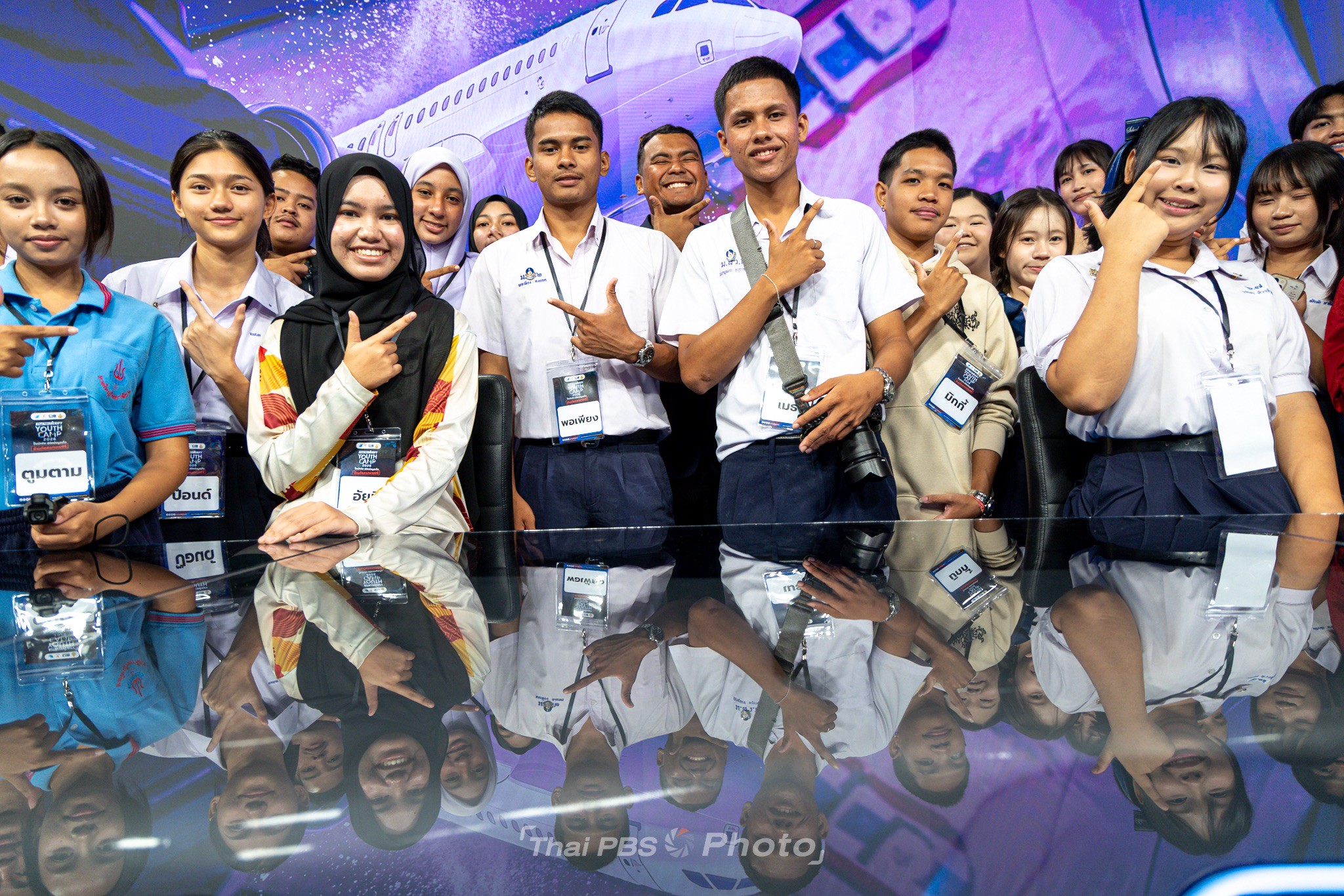
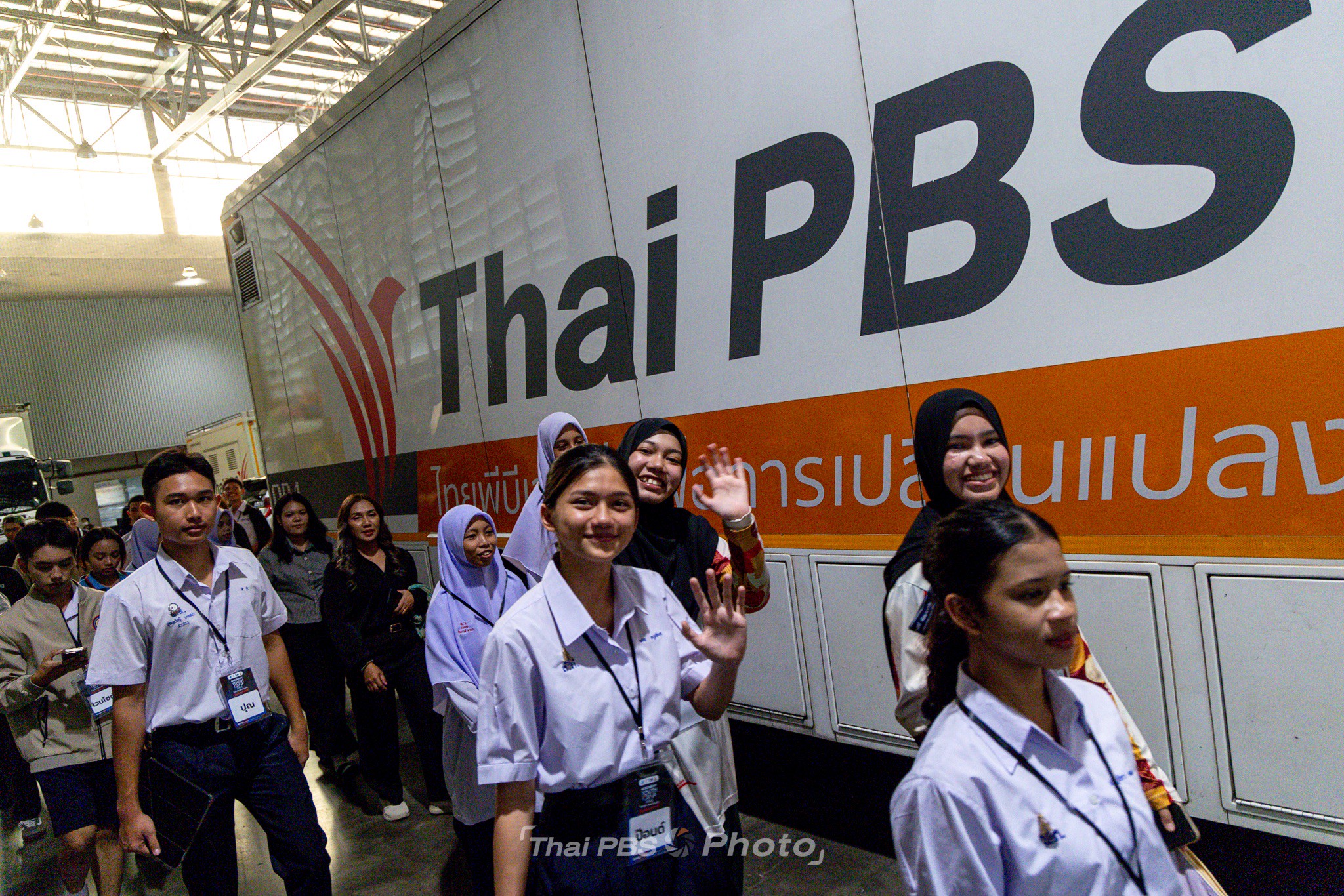
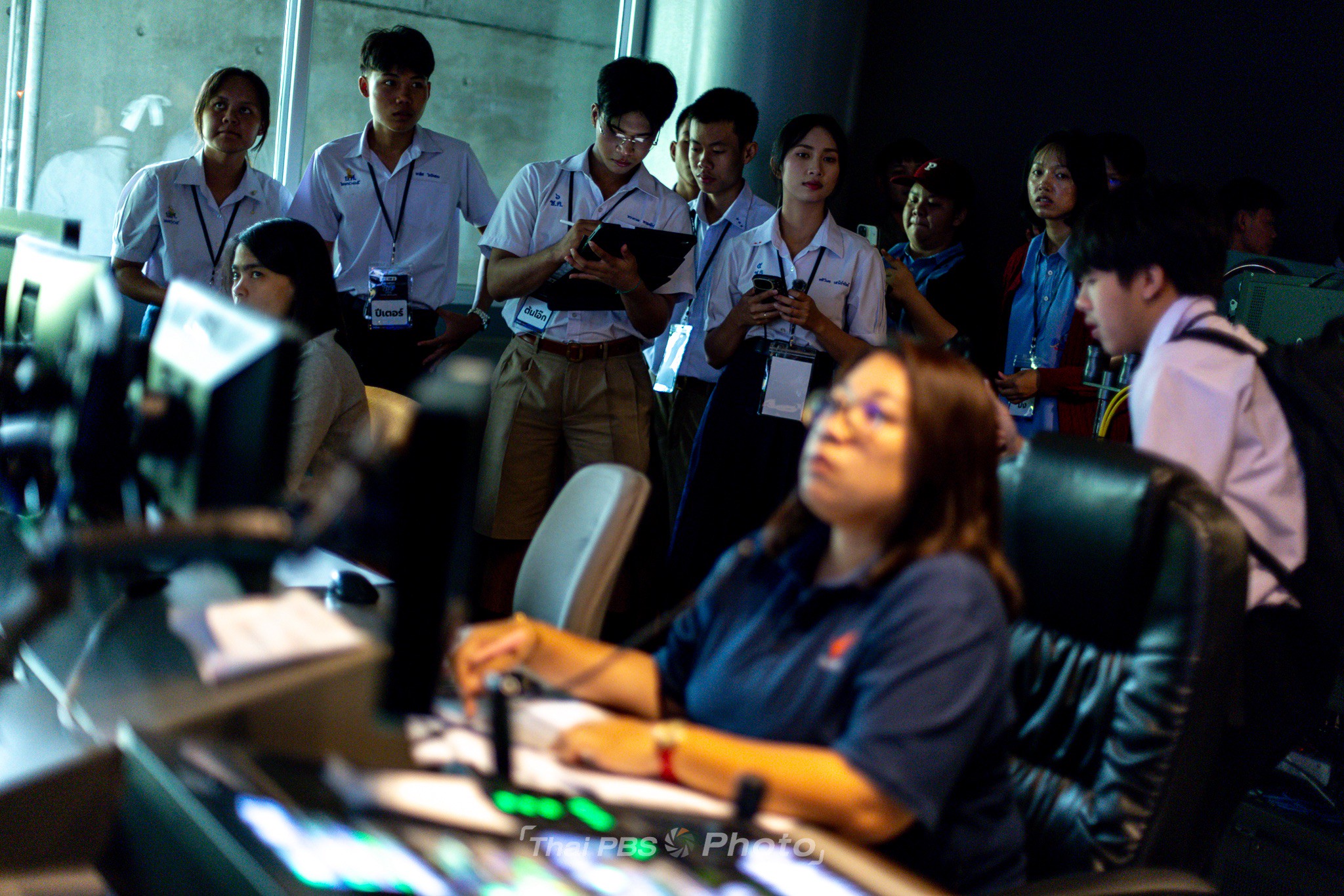
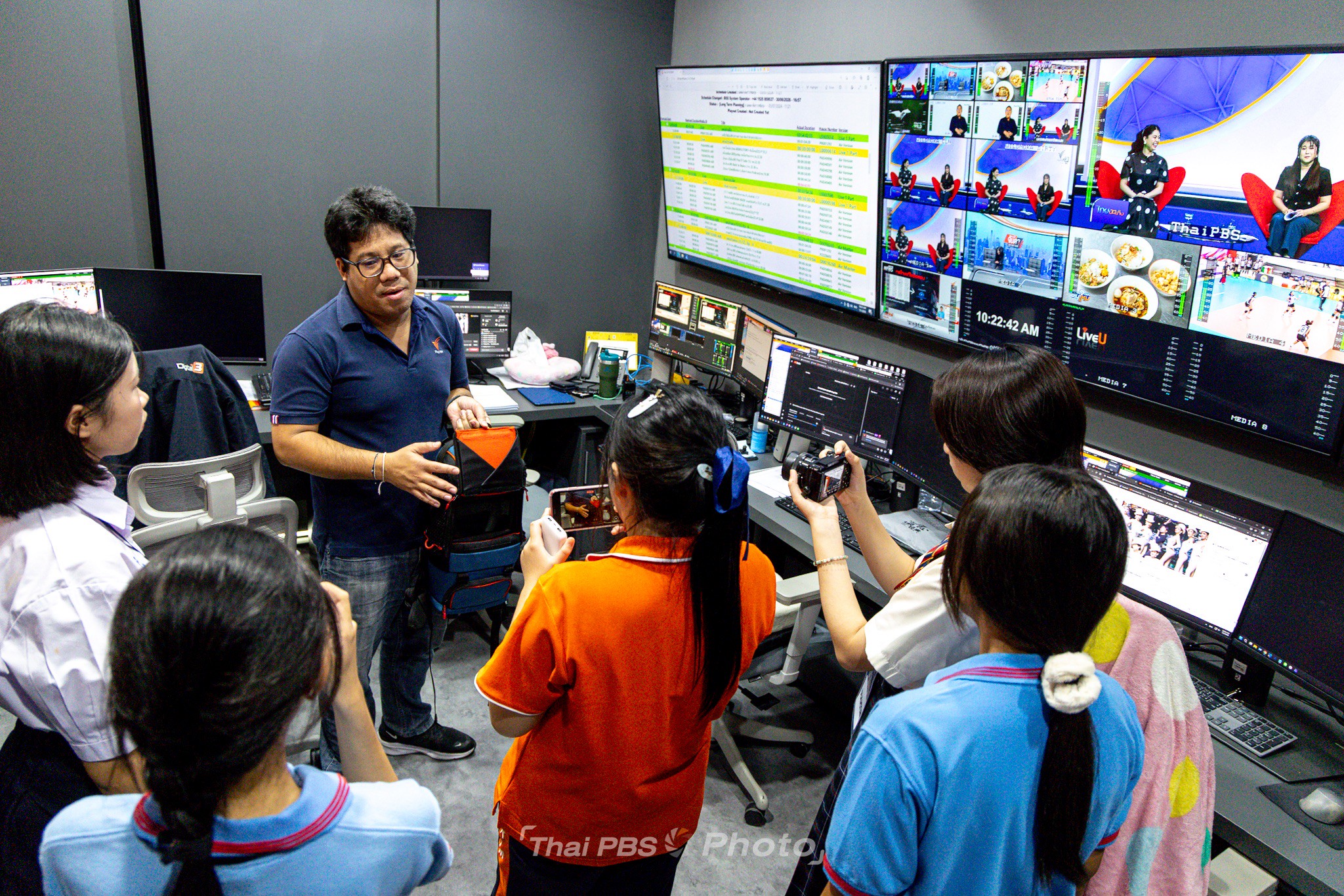
Before the afternoon stage program began, the 32 participating teams toured the behind-the-scenes operations of Thai PBS, gaining first-hand insight into the production of news and television programs and learning how a public broadcaster operates.
The students also took part in a workshop titled “Decode the Disinformation” and a simulated newsroom exercise, led by the Thai PBS Verify fact-checking team. Guided by Kanthida, Pathee, and Nattapol Thumma, participants received hands-on training in using fact-checking tools, learned the professional fact-checking process, and strengthened their critical thinking skills through real-world case studies and practical newsroom experience.
Thai PBS Verify Youth Camp 2026 : ปั้นนักคิด พิชิตข้อมูลเท็จ ต้านภัยสแกมเมอร์ The project is a collaborative initiative led by Thai PBS, with support from the Office of the Basic Education Commission (OBEC), the Safe and Creative Media Development Fund, and the Central Investigation Bureau (CIB). It brings together expertise from multiple sectors—including fact-checking, journalism, and law enforcement—to develop a comprehensive learning program that integrates prevention, verification, and response strategies for tackling misinformation and online crime.
This year’s camp welcomed upper secondary school students from across Thailand (excluding Bangkok and its surrounding metropolitan areas), giving them the opportunity to participate in hands-on workshops and learn directly from experienced professionals throughout the program.
Over the course of the 5-day, 4-night camp, participants will engage in both theoretical and practical learning through intensive workshops and a study visit to the Central Investigation Bureau (CIB), where they will gain first-hand insights into how authorities combat online crime. They will then work in teams to produce a fact-checking video, which will be presented to a panel of judges on the final day to compete for prizes worth more than 48,000 baht, along with certificates of achievement.
In addition to their competition entries, each team will also produce an original video titled “All About Youth Camp,” sharing their personal experiences and reflections on participating in the training program.
The camp reflects Thai PBS’s role as a public broadcaster that goes beyond delivering accurate and trustworthy news. It also demonstrates the organization’s commitment to promoting media literacy, strengthening fact-checking skills, and nurturing young people to become ethical and socially responsible communicators.
By equipping the next generation with these essential skills, the initiative aims to build long-term resilience against misinformation and online scams while empowering young people to become responsible contributors to the information ecosystem.
For updates and highlights throughout the project, follow the program at: